Persian Parrotia 30′×25′

Parrotia persica

$228.00

Available Options

SizePriceQuantity 
2 in B&B$228.00

Shipping Information

Distance (in Miles)
Weight (in LBs)
Calculate

We are located at: 3600 Valley View Rd. | Cookeville, Tennessee 38506

Call for a freight quote. The quote comes from the carriers. 

Enter your order details into our freight calculator to estimate your shipping costs. 

tree-pricing-35000

Description

At a glance

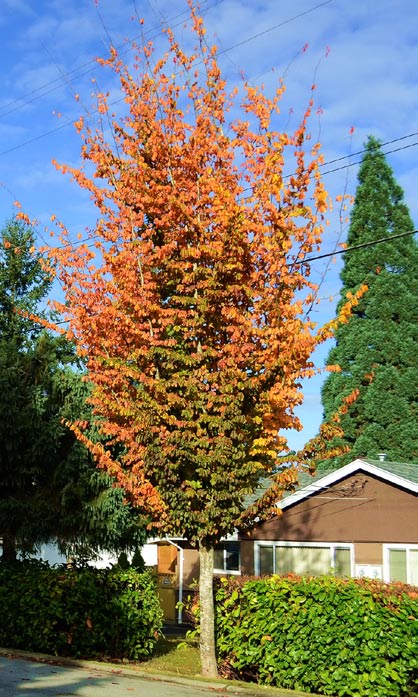
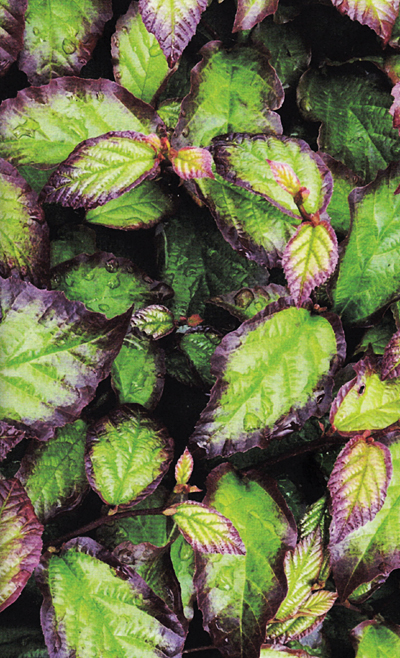
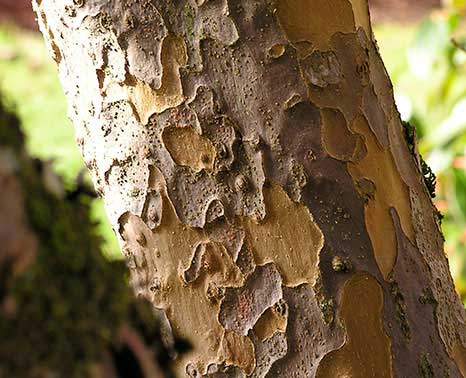
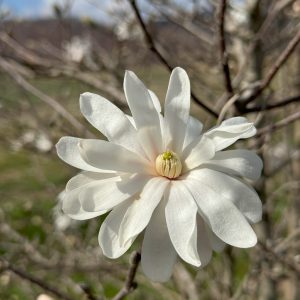
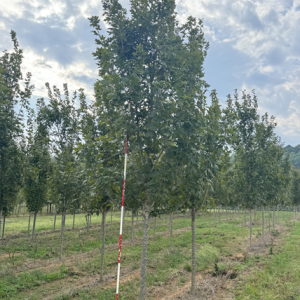
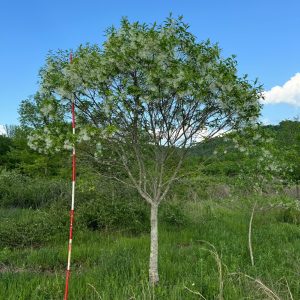
Persian parrotia (Parrotia persica) grows to about 30 ft tall and 25 ft wide. Leaves mature lustrous dark green, then yellow, orange, and red. Small maroon-red flowers glow in late winter. The cream, green, gray, and brown exfoliating bark is part of the tree. Full sun to partial shade, moist well-drained acid soil, zones 4 through 8, used as a specimen.

Why plant Persian Parrotia

Persian parrotia is the tree you plant when the yard needs clean summer foliage and a trunk worth looking at in winter. Parrotia persica carries the cream, green, gray, and brown exfoliating bark, then finishes with the yellows, oranges, and reds of autumn. The small maroon-red flowers glow on a late-winter day. Use it as a specimen in full sun or partial shade, on moist, well-drained, acid to neutral soil, zones 4 through 8.

Why Cherry Creek

Wholesale buyers looking for Persian parrotia for sale get Tennessee field-grown B&B Persian parrotia here, real landscape caliper, not container whips. Freight is quoted from Cookeville (or pick up at 3600 Valley View Rd, Cookeville, TN 38506). Truckload mixes are welcome. Call or text (931) 526-7682 or email sales@cherrycreeknursery.com.

Additional information

Size

Ex. Heavy, Heavy, 1.5 in B&B, 1.75 in B&B, 2 in B&B, 2.5 in B&B, 3 in B&B, 3.5 in B&B, 4 in B&B, 4.5 in B&B, 5 in B&B, 5.5 in B&B, 6 in B&B, 6 ft B&B, 7 ft B&B, 8 ft B&B, 9 ft B&B, 10 ft B&B, 12 ft B&B, 14 ft B&B, 16 ft B&B, 24 in B&B, 30 in B&B, 36 in B&B, 42 in B&B, 48 in B&B, 54 in B&B, 60 in B&B

FAQ

Where does Parrotia persica grow best?

Parrotia persica grows best in full sun to partial shade, on moist, well-drained, acid to neutral soil, in zones 4 through 8. It is used as a specimen. Plants have performed in very hot, dry years, but that note is not a drought rating, and this page does not call it drought tolerant. The reasons to plant it stay the clean summer foliage, the yellows, oranges, and reds of autumn, and the cream, green, gray, and brown exfoliating bark.

What are the pros and cons of a Parrotia tree?

The pros are the clean summer foliage, the yellows, oranges, and reds of autumn, and the cream, green, gray, and brown exfoliating bark, plus small maroon-red flowers that glow on a late-winter day. The foliage is seldom troubled by insects or diseases. The cons are Japanese beetle feeding, which has been pronounced in recent years, and a site that is not moist and well drained. It is still a specimen tree in zones 4 through 8.

Is Persian ironwood invasive?

The books used for this page do not say whether Persian parrotia (Parrotia persica) is invasive, so this page does not call it invasive or harmless. It is still planted as a specimen for the clean summer foliage, the yellows, oranges, and reds of autumn, and the cream, green, gray, and brown exfoliating bark.

How big does Parrotia persica get?

The stated range is 20 to 40 feet tall and 15 to 30 feet wide. This page uses about 30 feet tall and 25 feet wide. A 60-foot tree in Paris is one specimen, not the range. Plan the spot for the full 30 by 25 feet, with the clean summer foliage, the yellows, oranges, and reds of autumn, and the cream, green, gray, and brown exfoliating bark.

Seasonal Interest:

  • Spring: New foliage emerges, and flowers bloom, providing a fresh and colorful display.
  • Summer: Lush green leaves offer shade and a dense canopy.
  • Fall: Leaves turn vibrant shades of yellow, orange, and red, creating a stunning autumn display.
  • Winter: The tree’s structure and attractive bark provide visual interest during the dormant season.
Scientific Name
Parrotia persica
Mature Height
Mature Width
Growth Rate
Fall Color
Leaf Color
Sun
Soil
Water
Type
Characteristics
Common Name(s)
Persian parrotia
Growing Zone(s)
USDA Hardiness Zones 4–8 shown on map