$163.00 – $610.00Price range: $163.00 through $610.00
| Size | Price | Quantity | |
|---|---|---|---|
| 2.5 in B&B | $163.00 | ||
| 3 in B&B | $200.00 | ||
| 3.5 in B&B | $238.00 | ||
| 4 in B&B | $302.00 | ||
| 4.5 in B&B | $371.00 | ||
| 5 in B&B | $450.00 | ||
| 5.5 in B&B | $480.00 | ||
| 6 in B&B | $530.00 | ||
| 7 in B&B | $610.00 |
We are located at: 3600 Valley View Rd. | Cookeville, Tennessee 38506
Call for a freight quote. The quote comes from the carriers.
Enter your order details into our freight calculator to estimate your shipping costs.

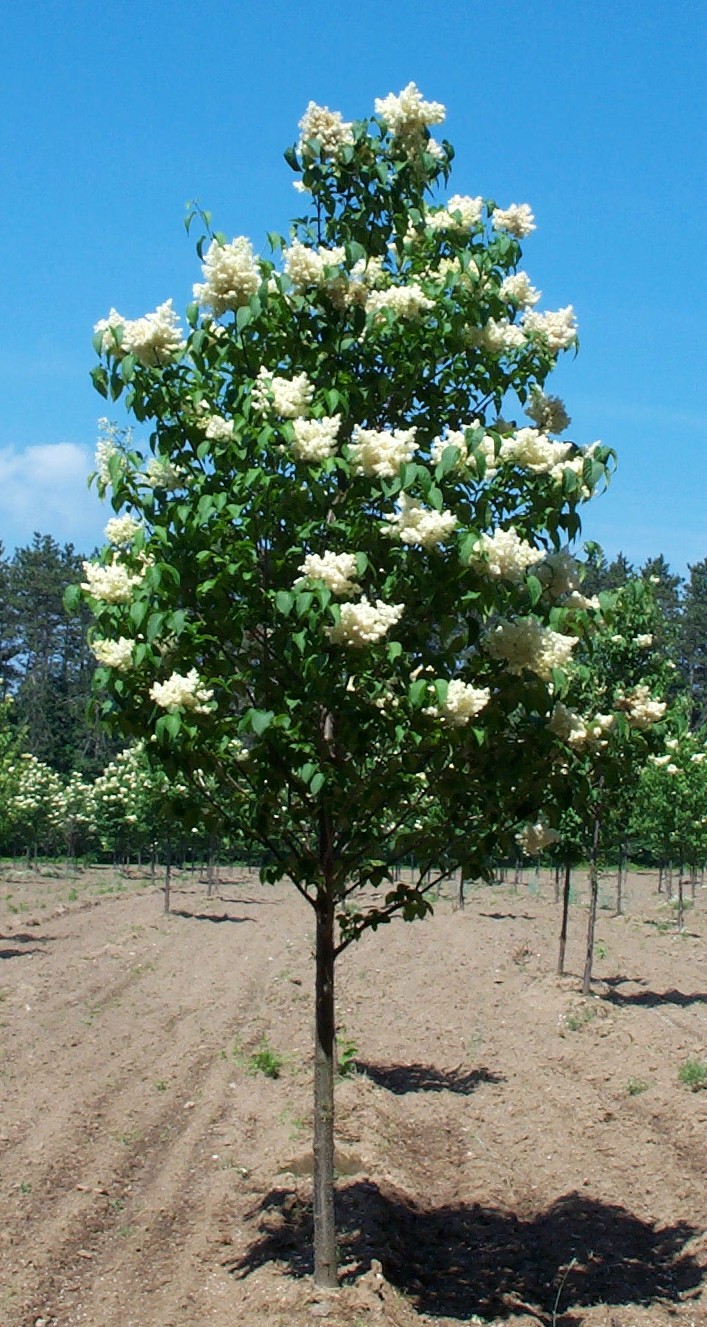
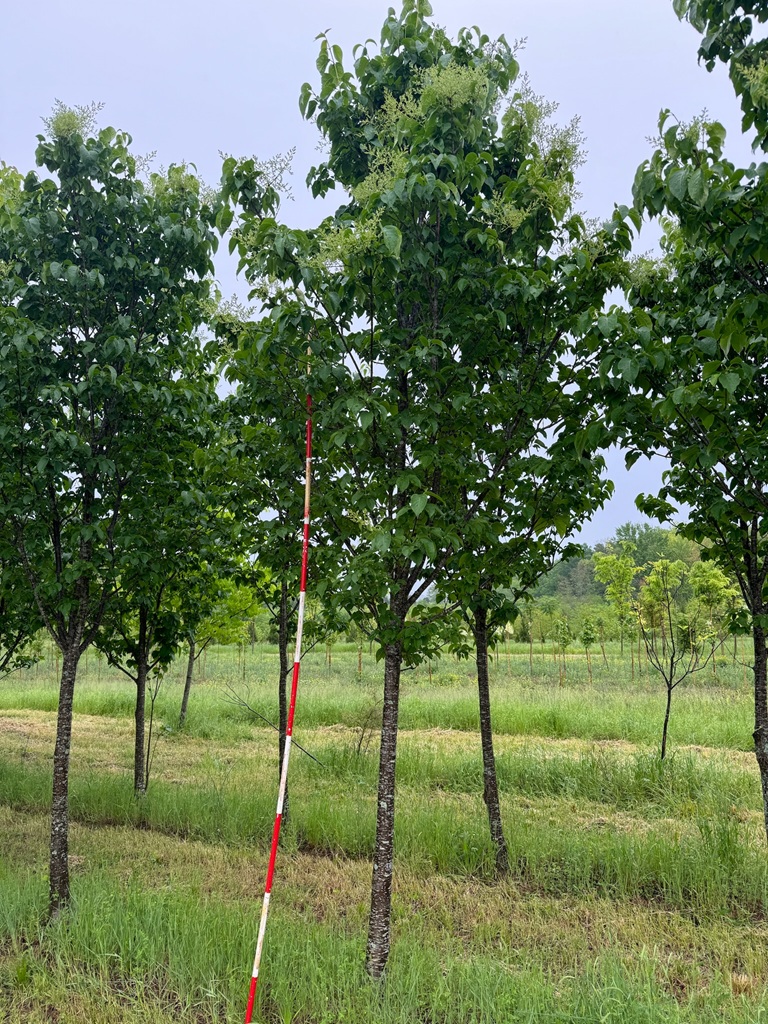
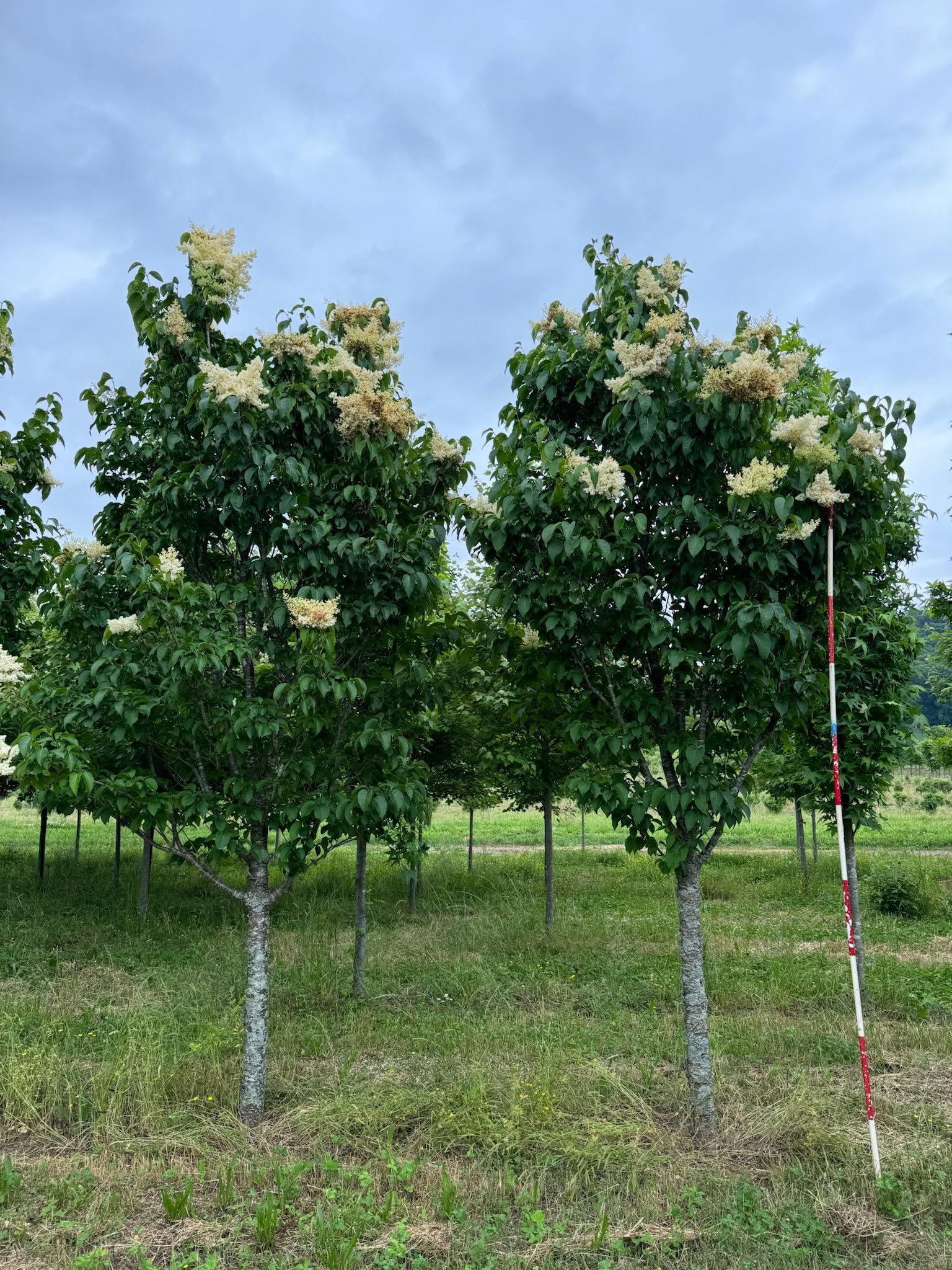
Ivory Silk lilac is Syringa reticulata ‘Ivory Silk’, 20 feet tall and 15 feet wide. Leaves are green. Flowers are white. Growth is slow. It takes full sun or part shade, in well-drained rich soil, in zones 4, 5, 6, and 7.
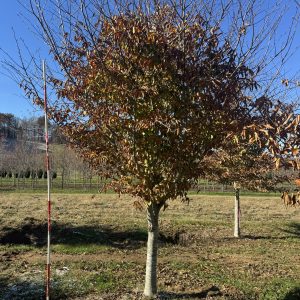
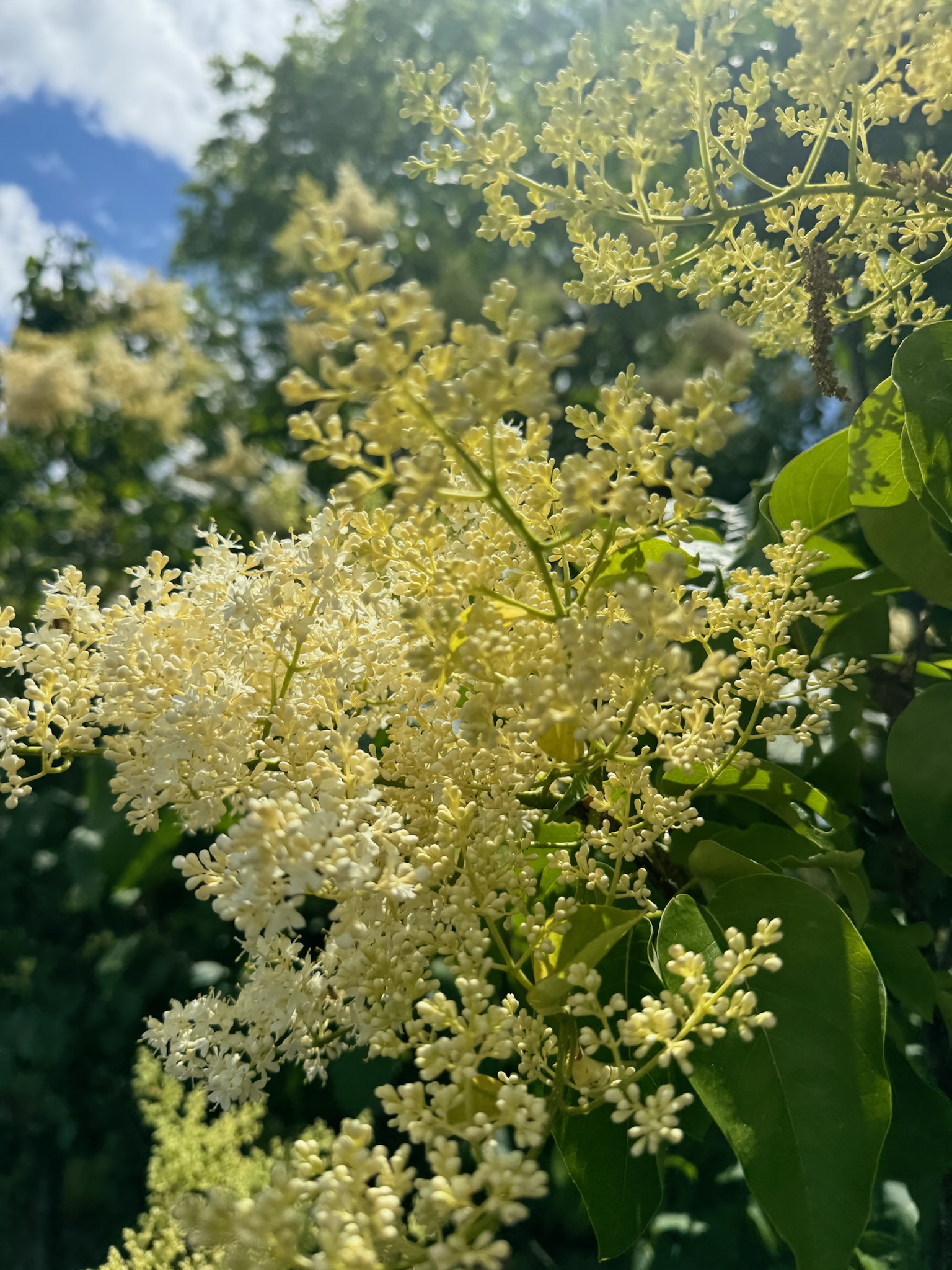
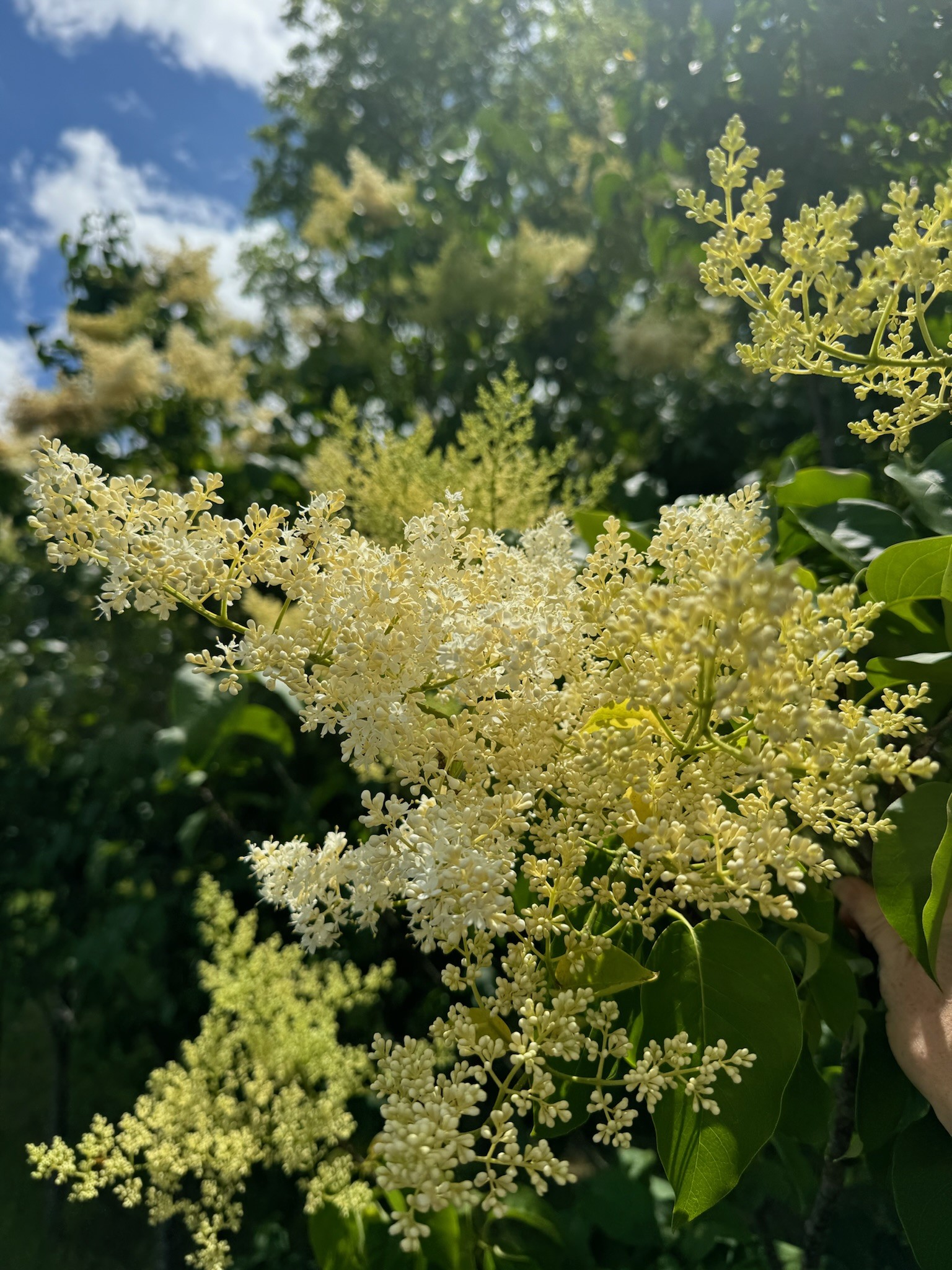
Frothy flower plumes take center stage in late spring, at a time when few other trees are in bloom. Ivory Silk is recommended over the species for its superior flower production, more uniform habit and superior foliage. Its fragrant blooms attract hummingbirds and butterflies. Once the leaves have fallen, the shiny brown bark of the trunk is revealed. It tolerates urban conditions well. It is effective near patios or as a specimen.
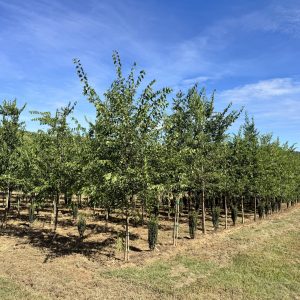
Wholesale buyers get Tennessee field-grown balled-and-burlapped Ivory Silk lilac, at landscape caliper rather than container whips. Freight is quoted from Cookeville, or pickup at 3600 Valley View Rd, Cookeville, TN 38506. Truckload mixes are available. Call (931) 526-7682 or email sales@cherrycreeknursery.com.
| Size | Heavy, 2.5 in B&B, 3 in B&B, 3.5 in B&B, 4 in B&B, 4.5 in B&B, 5 in B&B, 5.5 in B&B, 6 in B&B, 7 in B&B |
|---|
Ivory Silk is a northern tree at heart. It struggles in the heat of zones 7 and 8, does best in cool-summer climates, and isn't recommended south of zone 7. Its flower buds can be hurt by frost in early spring, and while it shrugs off the common lilac problems, it can still pick up blights, leaf spots, wilt, and ring spot virus. It also has no real fall color to speak of.
Plan on about 20 ft tall and 15 ft wide. Japanese tree lilac grows 20 to 30 ft high and 15 to 25 ft wide, and Ivory Silk is one of the selections recommended over the species. It forms an oval to rounded crown, so it fits as a small landscape or street tree.
Japanese tree lilac grows at a medium rate. That steady pace makes it easy to fit into a landscape, where it develops into a small tree with an oval to rounded crown.
On the plus side, it may be the most adaptable lilac for difficult sites. It blooms in late spring and early summer, after most lilacs, with creamy white flower clusters 6 to 12 inches long, and it is highly resistant to the mildew and scale that trouble other lilacs. The glossy brown bark, marked with horizontal lenticels like cherry bark, adds winter interest. On the minus side, it doesn't thrive in hot southern summers, and the fragrance is closer to privet than to a classic lilac.
It is fragrant, but not in the classic lilac way. The scent is often described as almost privet-like, and some gardeners don't care for it. Others enjoy the large, showy, fragrant creamy white clusters, which bloom in late May and early June and draw hummingbirds and butterflies.
Scientific Name | Syringa reticulata ‘Ivory Silk’ |
Mature Height | |
Mature Width | |
Growth Rate | |
Flower Color | |
Fall Color | |
Leaf Color | |
Sun | |
Soil | |
Water | |
Type | |
Common Name(s) | Ivory Silk Japanese Tree Lilac |
Growing Zone(s) |