Dee Runk Boxwood 10′×3′

Buxus sempervirens 'Dee Runk'

Price range: $86.00 through $108.00

Available Options

SizePriceQuantity 
24 in B&B$86.00
30 in B&B$108.00

Shipping Information

Distance (in Miles)
Weight (in LBs)
Calculate

We are located at: 3600 Valley View Rd. | Cookeville, Tennessee 38506

Call for a freight quote. The quote comes from the carriers. 

Enter your order details into our freight calculator to estimate your shipping costs. 

tree-pricing-35000

Description

At a glance

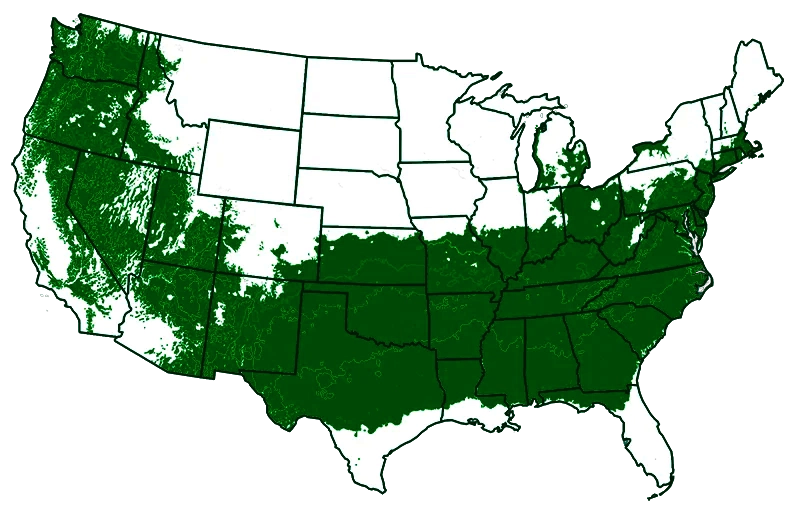
Dee Runk boxwood is Buxus sempervirens ‘Dee Runk’. The size on this page is 9 feet tall and 2.5 feet wide. Its leaves are green. It grows in full sun or partial shade, and is hardy in USDA zones 6 through 8.

Why plant Dee Runk Boxwood

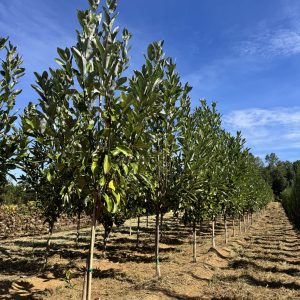
‘Dee Runk’ is upright, tightly narrow-columnar-pyramidal, with a slight taper toward the base. It is a columnar boxwood selection that features glossy, dark green foliage, and a great accent plant.

Why Cherry Creek

Wholesale buyers get Tennessee field-grown balled-and-burlapped Dee Runk boxwood. Freight is quoted from Cookeville, or pickup is at 3600 Valley View Rd, Cookeville, TN 38506. A truckload can mix this shrub with other plants. Call (931) 526-7682 or email sales@cherrycreeknursery.com.

Additional information

Size

Heavy

FAQ

What are the common problems that boxwood 'Dee Runk' is prone to?

Boxwood blight, volutella blight, leaf spot, and root rot in poorly drained soil. Pests include boxwood leafminer, mite, psyllid and box tree moth.

What are the disadvantages of boxwoods?

The foliage can bronze to an unattractive brownish yellow in harsh winters, especially in open sites exposed to full sun and winter wind.

What is the growth rate of a Dee Runk Boxwood?

Slow. It is a narrow column about 8 to 10 ft tall and 2 to 3 ft wide.

  • Year-round: Provides consistent green color and vertical structure throughout all seasons
Scientific Name
Buxus sempervirens ‘Dee Runk’
Mature Height
Mature Width
Growth Rate
Leaf Color
Sun
Type
Characteristics
Common Name(s)
Dee Runk Boxwood
Growing Zone(s)
USDA Hardiness Zones 6–8 shown on map