Fort McNair Horsechestnut 30′×30′

Aesculus x carnea 'Fort McNair'

Call

Available Options

SizePriceQuantity 
2 in B&BCall

Shipping Information

Distance (in Miles)
Weight (in LBs)
Calculate

We are located at: 3600 Valley View Rd. | Cookeville, Tennessee 38506

Call for a freight quote. The quote comes from the carriers. 

Enter your order details into our freight calculator to estimate your shipping costs. 

tree-pricing-35000

Description

At a glance

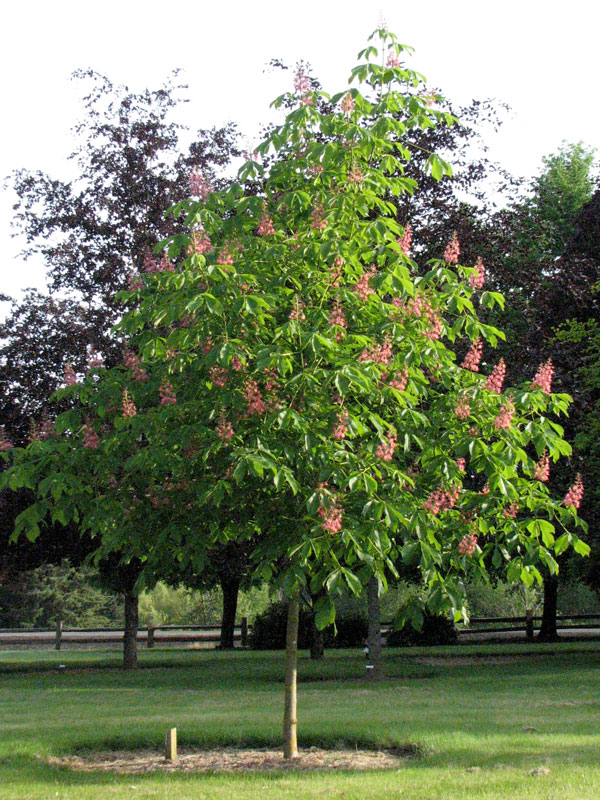
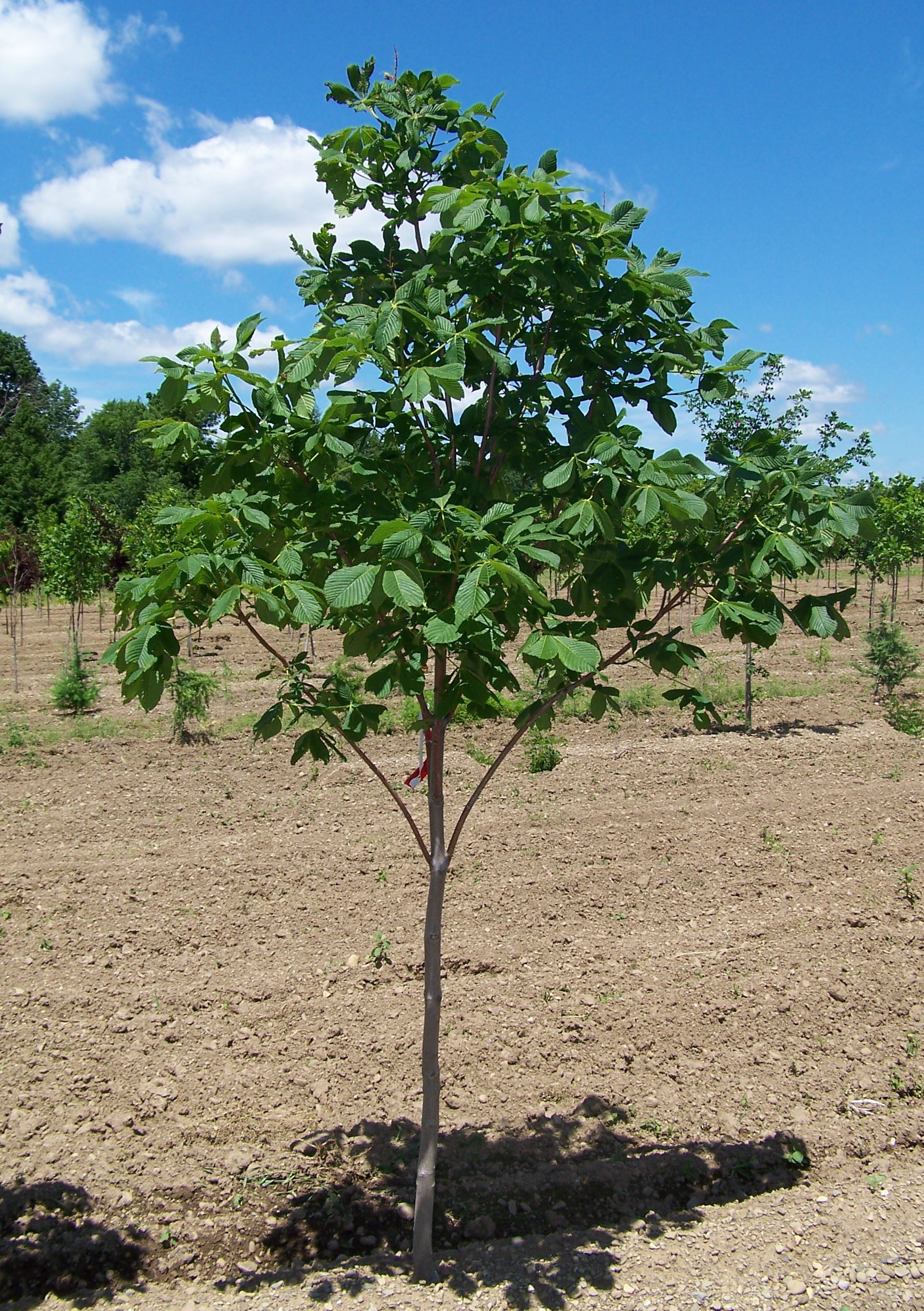
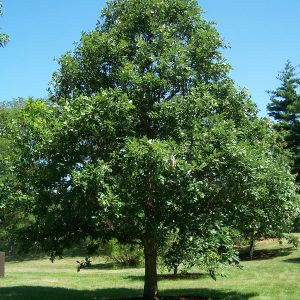
Fort McNair horsechestnut is Aesculus x carnea ‘Fort McNair’. The size on this page is 30 feet tall and 30 feet wide. Its leaves are green and turn yellow in fall. It grows in full sun, in well-drained, adaptable soil, and is hardy in USDA zones 4 through 7.

Why plant Fort McNair Horsechestnut

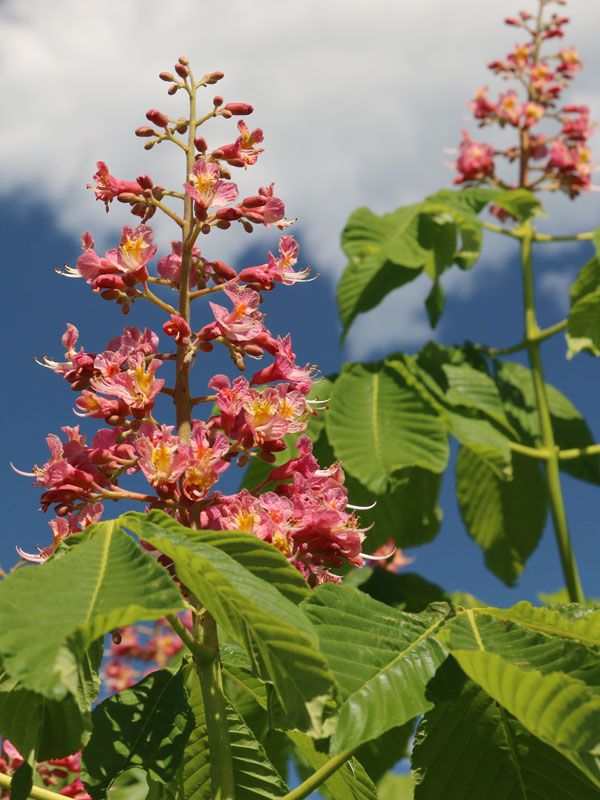
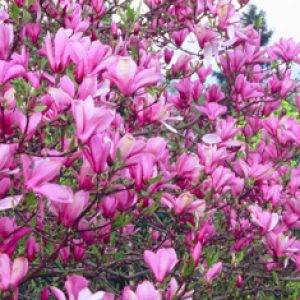
Fort McNair carries beautiful panicles of pink flowers in spring and improved resistance to leaf blotch. Red horsechestnut is considered superior to either parent for general landscape use, and in flower it is spectacular. Selected from the grounds of Fort McNair in Washington DC, this cultivar has performed reasonably well in Georgia and North Carolina gardens.

Why Cherry Creek

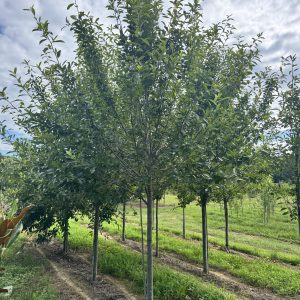
Wholesale buyers get Tennessee field-grown balled-and-burlapped Fort McNair horsechestnut at real landscape caliper rather than container whips. Freight is quoted from Cookeville, or pickup is at 3600 Valley View Rd, Cookeville, TN 38506. A truckload can mix this tree with other plants. Call (931) 526-7682 or email sales@cherrycreeknursery.com.

Additional information

Size

2 in B&B

FAQ

What are the pros and cons of a Fort McNair chestnut tree?

Pros: pink flower panicles in spring, better resistance to leaf blotch than the species, yellow fall color, and a size of about 30 ft tall and wide. Con: the seed pods hold poisonous nuts.

Is it safe to touch horse chestnuts?

Touching them is fine, but the glossy brown nuts in the prickly pods are poisonous and should never be eaten.

Can you eat red horse chestnuts?

No. The glossy brown nuts in the prickly pods are poisonous.

Is horse chestnut a good tree?

Red horsechestnut is considered better than either of its parents for general landscape use, with a dense, rounded canopy and a spectacular show of flowers. Fort McNair adds pink blooms and better resistance to leaf blotch.

Why can't you eat horse chestnuts?

The nuts contain saponins, which are poisonous and very bitter.

  • Spring: Stunning pink flowers bloom, creating a colorful and fragrant display.
  • Summer: Lush green foliage offers shade and a dense canopy.
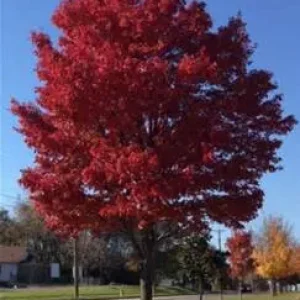
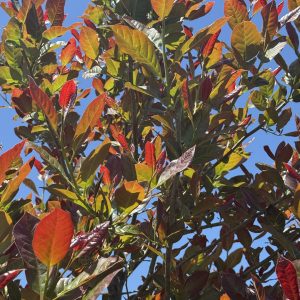
  • Fall: Leaves transition to golden yellow, adding a vibrant touch to the landscape.
  • Winter: The  Fort McNair HorseChestnut structure and bark remain visually appealing during the dormant season.
Scientific Name
Aesculus x carnea ‘Fort McNair’
Mature Height
Mature Width
Growth Rate
Flower Color
Fall Color
Leaf Color
Sun
Soil
Type
Characteristics
Common Name(s)
Fort McNair Horsechestnut
Growing Zone(s)
USDA Hardiness Zones 4–7 shown on map