Care Instructions
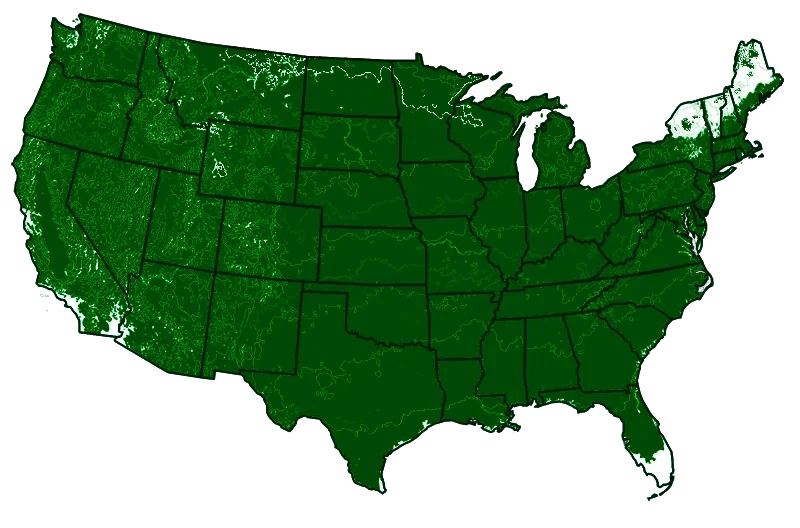
The Northern Hackberry is low-maintenance and easy to grow, thriving in a variety of conditions.
- Sunlight: Prefers full sun, but tolerates partial shade.
- Soil: Grows well in almost any soil, including clay, rocky, and poor soils.
- Watering: Water regularly when young; once established, it is highly drought-tolerant.
- Fertilization: Generally not needed; can benefit from a slow-release fertilizer in early spring for faster growth.
- Pruning: Minimal pruning required; remove dead or weak branches in late winter to maintain shape.
- Pest/Disease Resistance: Resistant to most diseases and pests, though may occasionally develop Hackberry Nipple Gall (aesthetic concern only).
Landscaping Uses
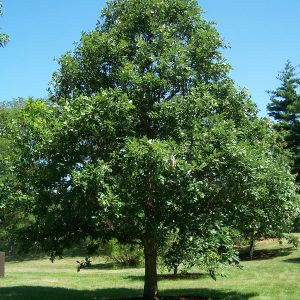
The Northern Hackberry is a versatile and highly adaptable tree, perfect for urban and rural landscapes alike. Its strong root system and tolerance to poor soil make it ideal for preventing erosion on slopes and streambanks, while its fast growth and broad canopy provide quick shade for parks, yards, and streetscapes.
As a wildlife-friendly tree, Hackberry attracts songbirds, butterflies, and beneficial pollinators, making it a great addition to naturalized areas, food forests, and conservation plantings. Its high resistance to wind, drought, and pollution ensures success in windbreaks, shelterbelts, and urban green spaces. Whether planted as a shade tree, for wildlife support, or for environmental restoration, Hackberry is a durable and attractive choice.