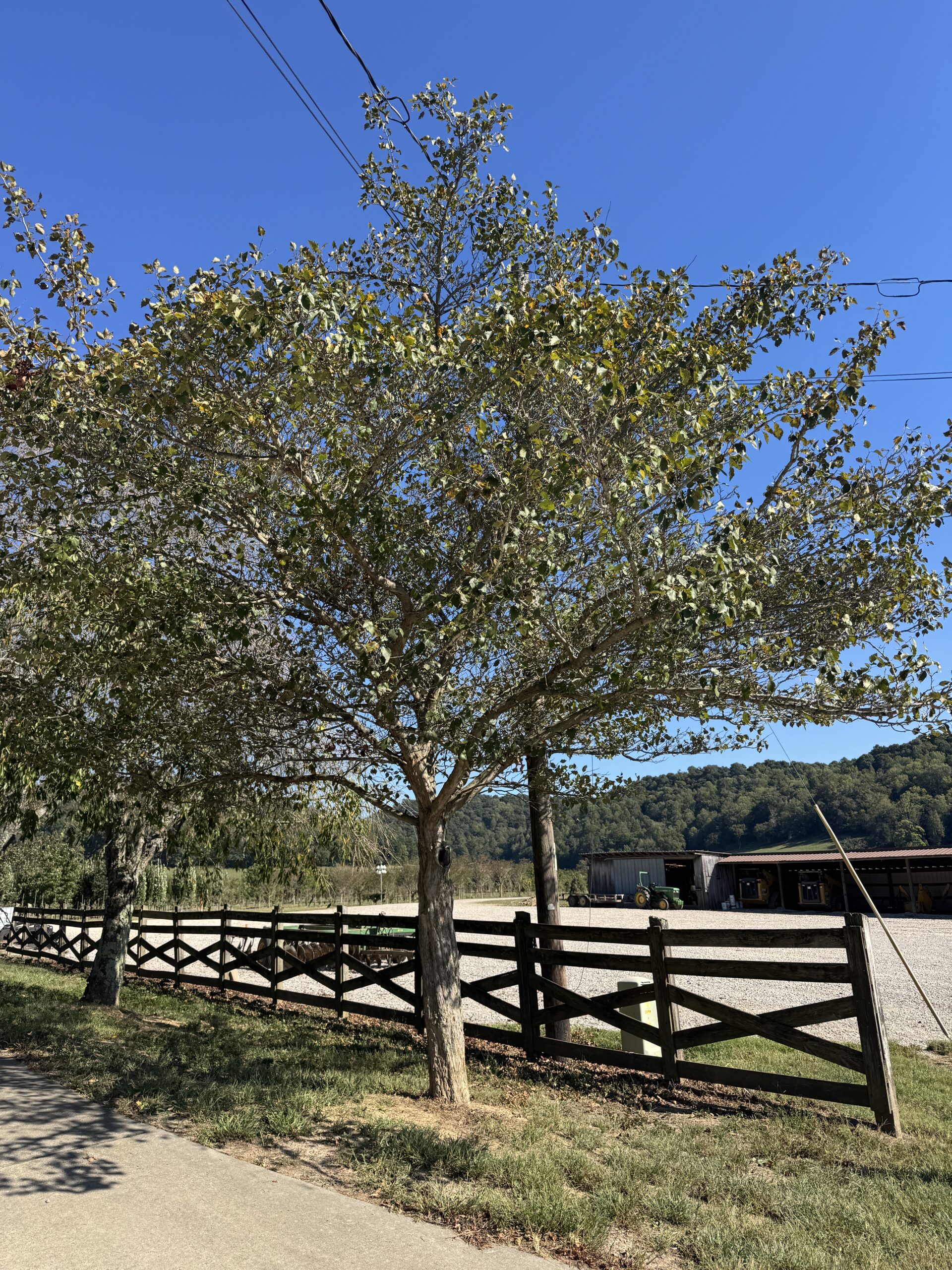
Winter King Hawthorn 25′×25′

Crataegus viridis 'Winter King'

Price range: $151.00 through $181.00

Available Options

SizePriceQuantity 
2 in B&B$151.00
2.5 in B&B$181.00

Shipping Information

Distance (in Miles)
Weight (in LBs)
Calculate

We are located at: 3600 Valley View Rd. | Cookeville, Tennessee 38506

Call for a freight quote. The quote comes from the carriers. 

Enter your order details into our freight calculator to estimate your shipping costs. 

tree-pricing-35000

Description

At a glance

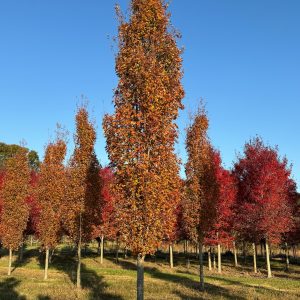
Winter King hawthorn is Crataegus viridis ‘Winter King’. The size on this page is 25 feet tall and 25 feet wide. Its leaves are green and turn yellow in fall, its flowers are white, and it sets fruit. It grows in full sun, in well-drained soil, and is hardy in USDA zones 4 through 7.

Why plant Winter King Hawthorn

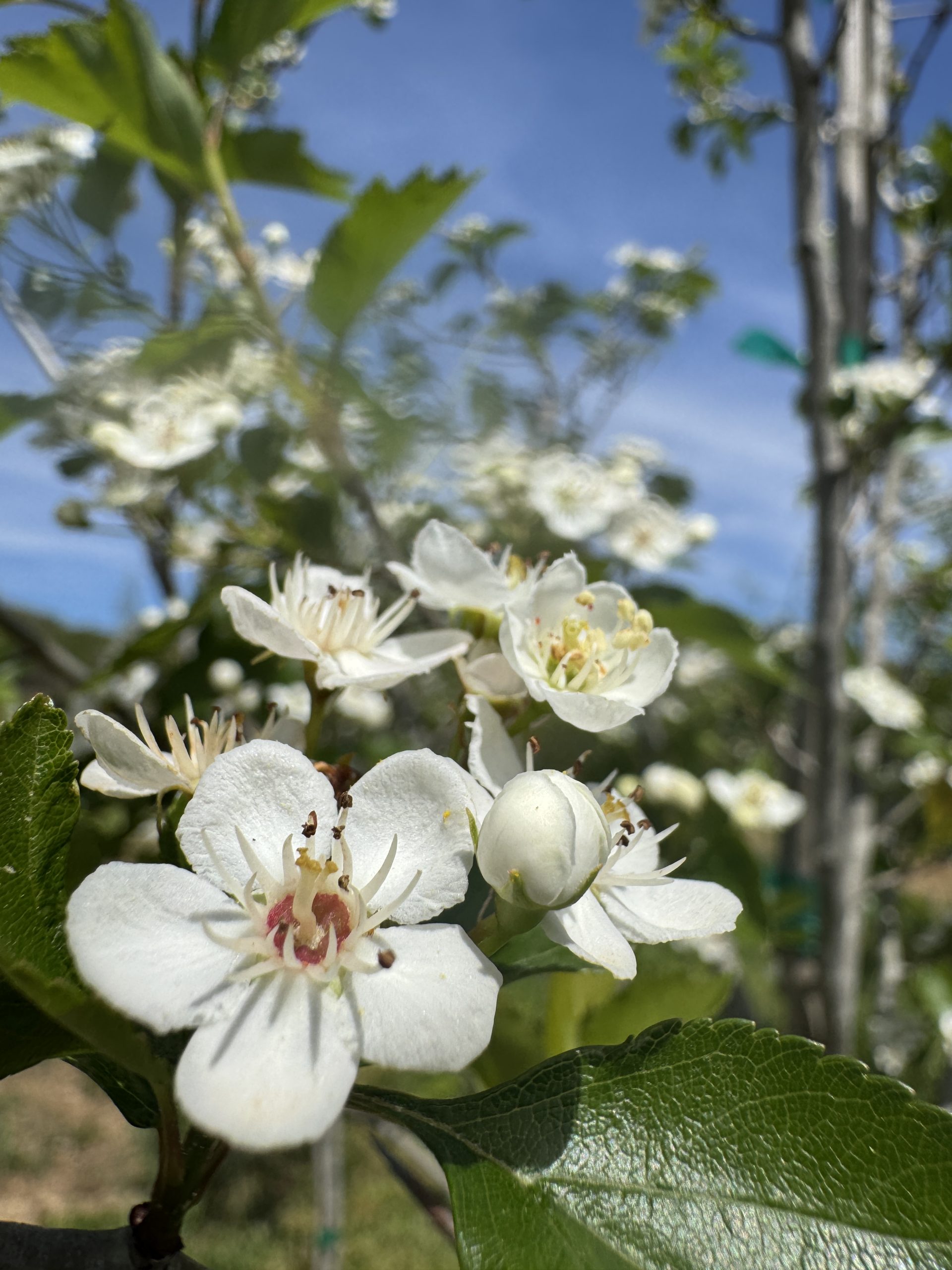
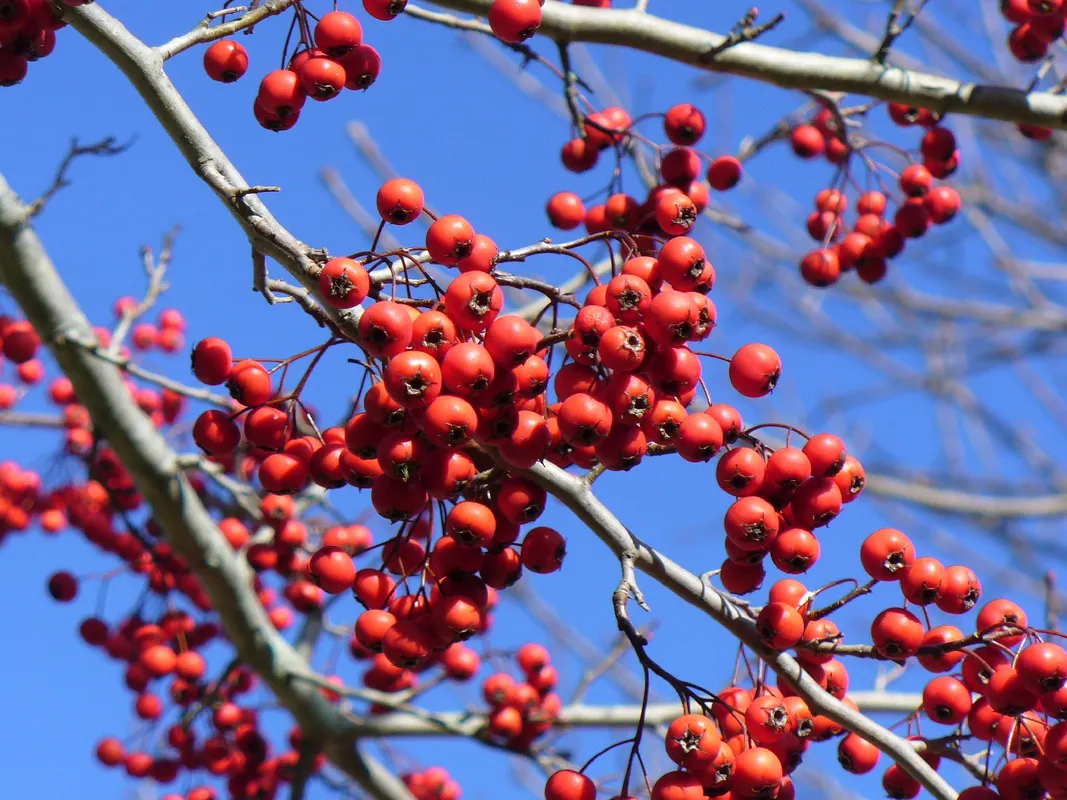
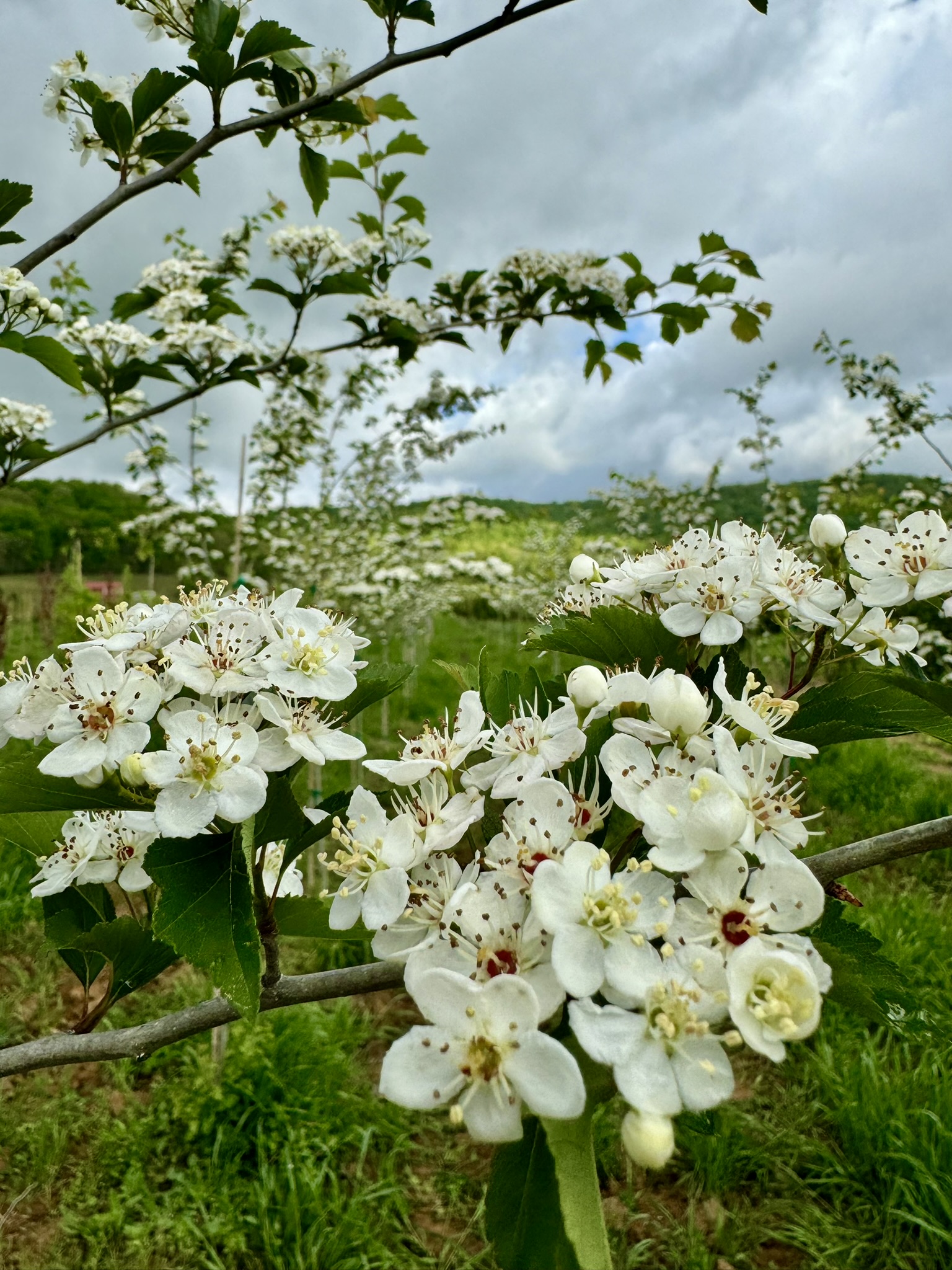
No other hawthorn cultivar has received as much attention. The lustrous dark green foliage, white flowers, and 3/8-in.-wide red fruit are outstanding, and it is an excellent choice as a small ornamental tree.

Why Cherry Creek

Wholesale buyers get Tennessee field-grown balled-and-burlapped Winter King hawthorn at real landscape caliper rather than container whips. Freight is quoted from Cookeville, or pickup is at 3600 Valley View Rd, Cookeville, TN 38506. A truckload can mix this tree with other plants. Call (931) 526-7682 or email sales@cherrycreeknursery.com.

Additional information

Size

Heavy

FAQ

What are the pros and cons of a Winter King Hawthorn tree?

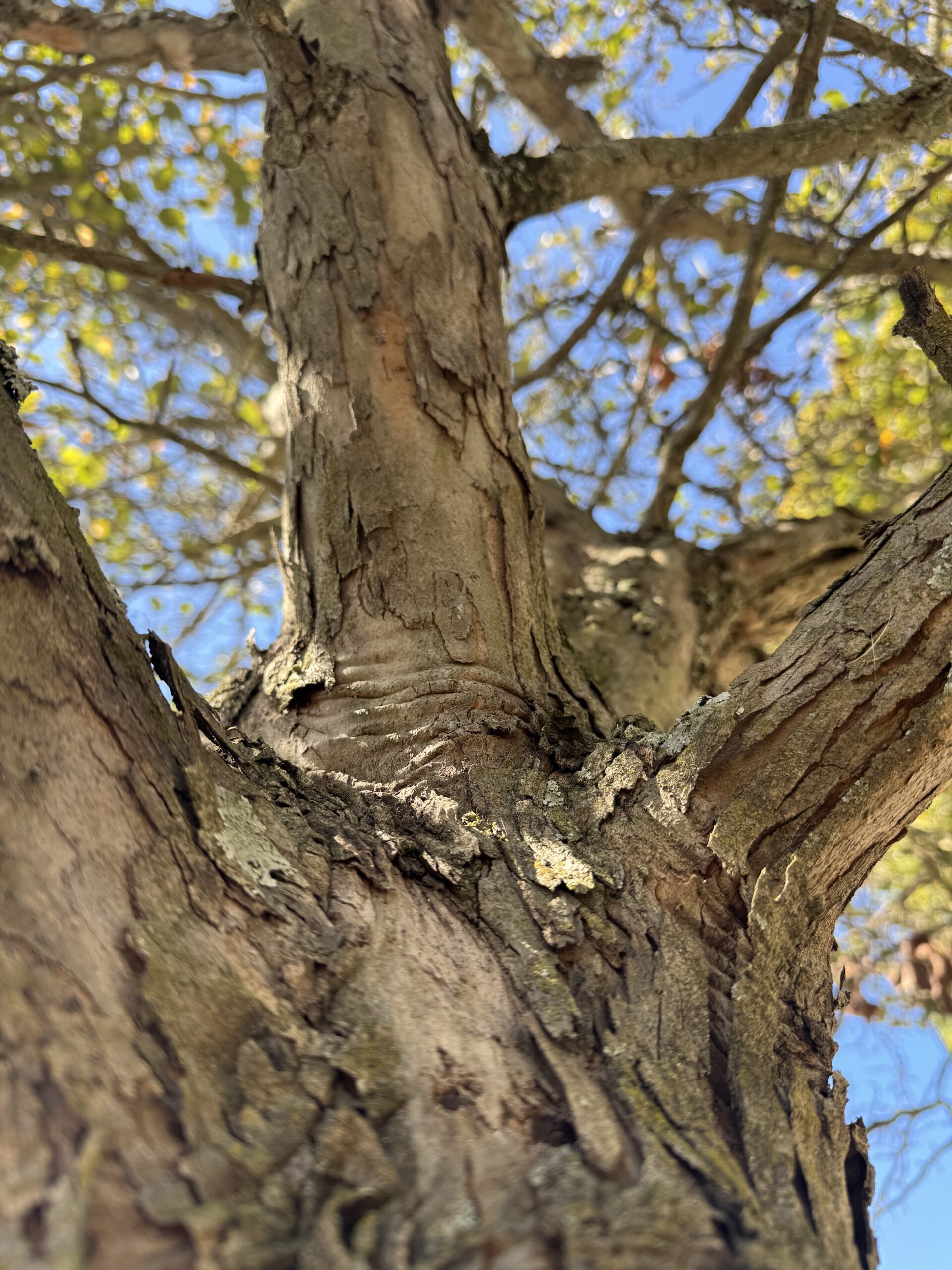
Pros: a lovely rounded, almost vase-shaped habit with distinct gray-green stems. Lustrous dark green leaves, white flowers and red fruit that persists all winter, and older bark that peels to show grays, greens and orangish browns. Cons: it can get rust in wet weather, which infects leaves and fruit, and its stems have sharp thorns.

How big does a winter king hawthorn tree get?

About 25 ft tall and 25 ft wide.

Where is the best place to plant a hawthorn tree?

Full sun, which gives the best flowering and fruit, in well-drained soil, in USDA zones 4 through 7. It shows off well against an evergreen background, where the gray stems and red fruit stand out. Because of its sharp thorns, keep it away from walkways and playgrounds.

What are some common problems that can affect Winter King hawthorn plants?

Diseases include rusts (quince rust on the fruit, cedar-apple rust), leaf spot, blights, mildews, fire blight and wood rots. Pests include leaf miners, sawflies, leafrollers, caterpillars, mites, lace bugs, borers, mealybugs and aphids.

  • Spring: Clusters of delicate white flowers bloom, attracting bees and pollinators.
  • Summer: Glossy green foliage provides shade and structure in the garden.
  • Fall: Leaves turn a golden-bronze, while vibrant red berries ripen, providing food for birds.
  • Winter: Silvery bark and persistent berries add striking visual interest in the colder months.
Scientific Name
Crataegus viridis ‘Winter King’
Mature Height
Mature Width
Growth Rate
Flower Color
Fall Color
Leaf Color
Sun
Soil
Type
Characteristics
Common Name(s)
Winter King Hawthorn
Growing Zone(s)
USDA Hardiness Zones 4–7 shown on map