Description
Persimmon (Diospyros virginiana): A Native Tree with Character Bark and Sweet Fall Fruit
Persimmon is a medium-sized native deciduous tree in the ebony family. It is not related to the Asian persimmon sold in grocery stores. The name comes from an Algonquin word for the fruit.
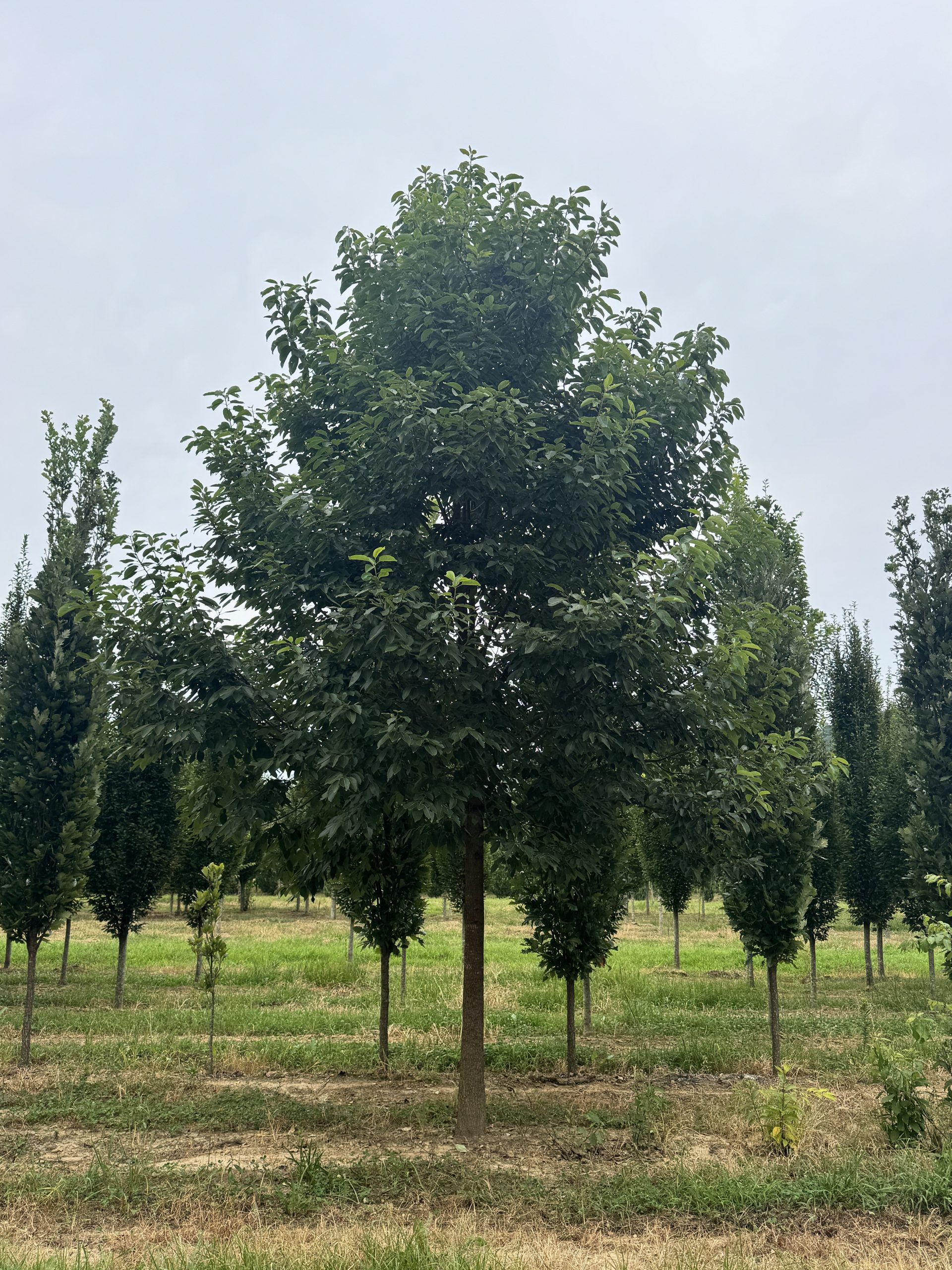
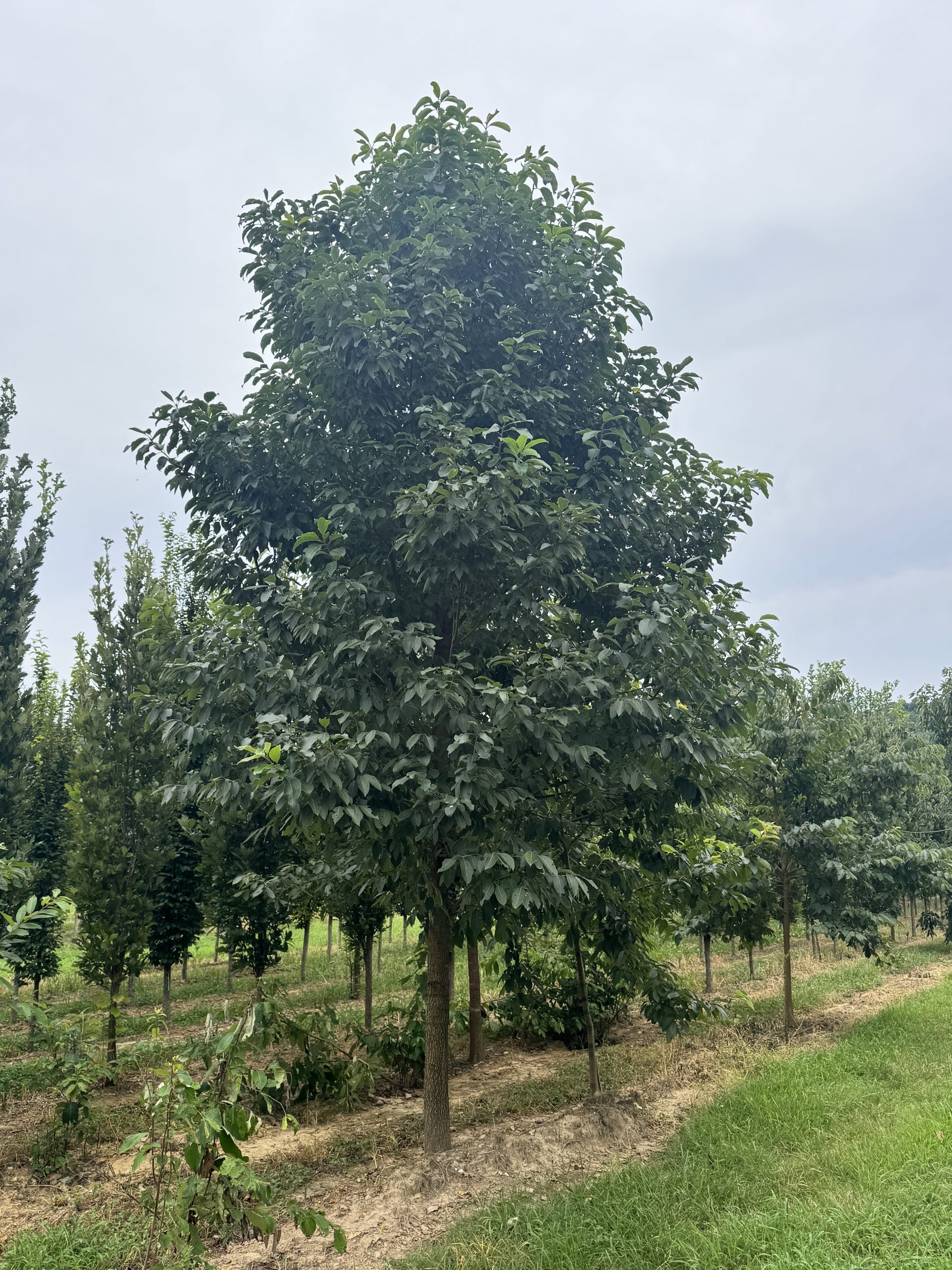
It reaches about 35–60 feet tall and 20–35 feet wide, matching your listing size of 50 × 30. The form is upright and oval in youth, then opens into a rounded, somewhat irregular crown with age. The trunk is short and often crooked, covered in thick, dark gray bark broken into square blocks that look like alligator hide—one of the easiest trees to identify in winter.
The leaves are simple, alternate, and glossy dark green above, turning yellow, orange, or red in fall. Female trees produce round orange fruit about one to two inches across that ripens after the first frost and becomes sweet and edible. Male trees do not fruit. The fruit is astringent until fully soft, then tastes like honey or dates. It feeds wildlife and was used by Native Americans.
This is a tough, adaptable tree. It handles drought, poor soil, clay, and urban conditions once established. It is native across much of the eastern and central United States.