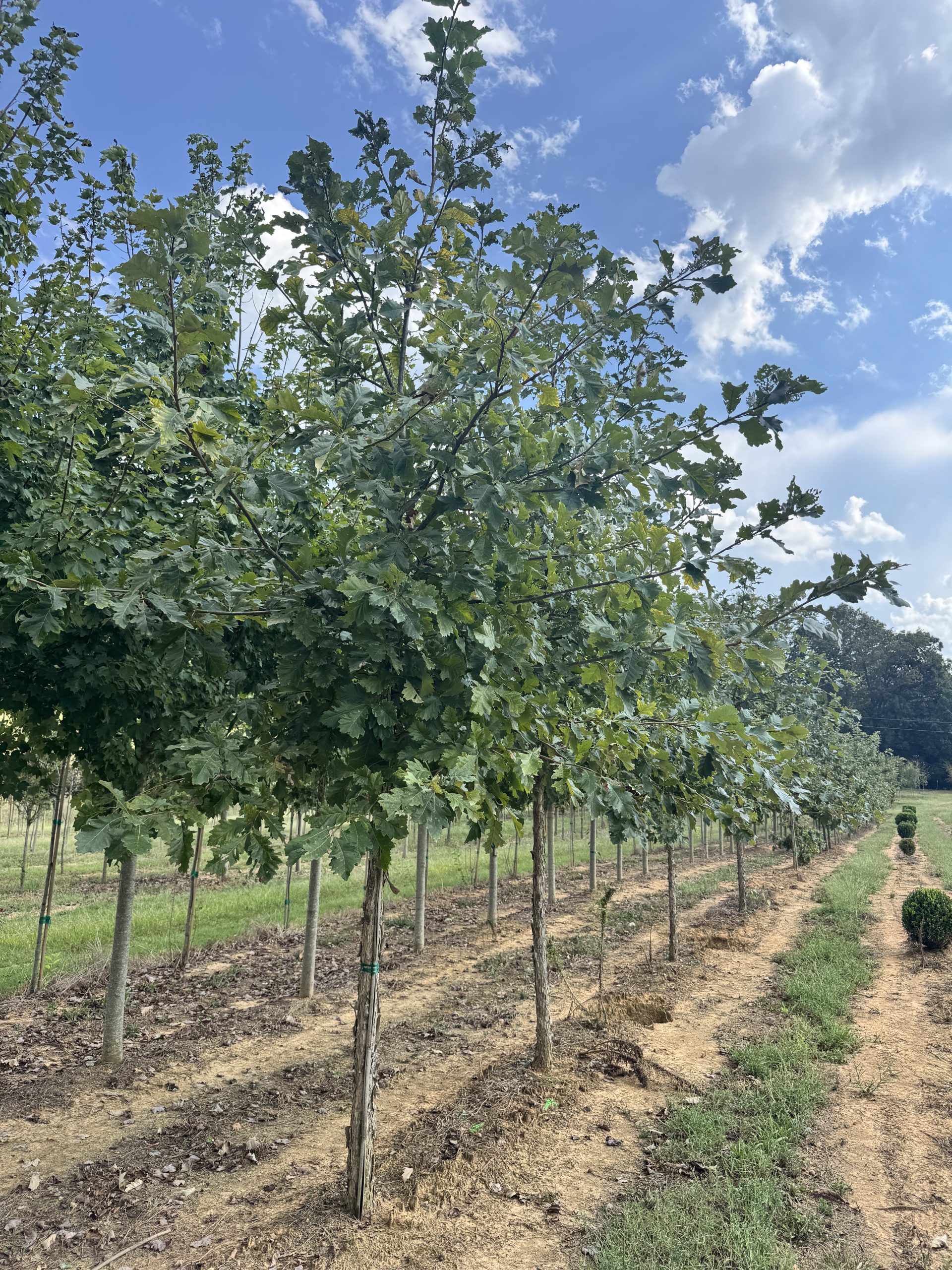
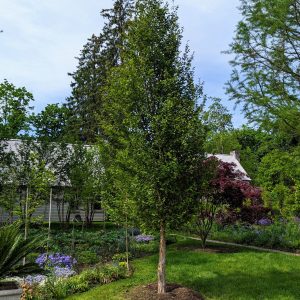
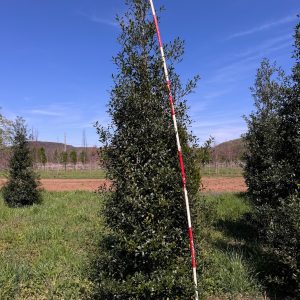
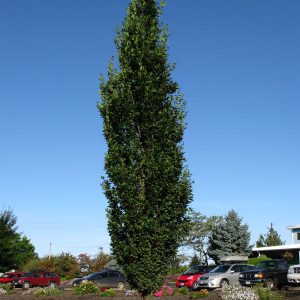
Bur Oak 75′×75′

Quercus macrocarpa

Price range: $151.00 through $398.00

Available Options

SizePriceQuantity 
2 in B&B$151.00
2.5 in B&B$196.00
3 in B&B$217.00
3.5 in B&B$260.00
4 in B&B$316.00
4.5 in B&B$398.00

Shipping Information

Distance (in Miles)
Weight (in LBs)
Calculate

We are located at: 3600 Valley View Rd. | Cookeville, Tennessee 38506

Call for a freight quote. The quote comes from the carriers. 

Enter your order details into our freight calculator to estimate your shipping costs. 

tree-pricing-35000

Description

At a glance

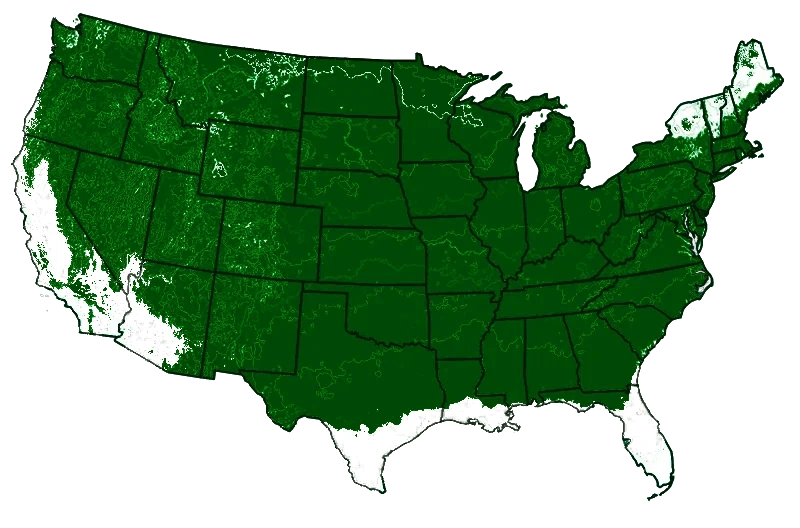
Bur oak is Quercus macrocarpa. Mossycup may sit beside that name. The size on this page is 75 feet tall and 75 feet wide. Leaves are green. Flowers are green. It sets fruit. It takes full sun in adaptable soil, in zones 2, 3, 4, 5, 6, 7, and 8, as a shade tree.

Why plant Bur Oak

Bur oak is a large, impressive native tree with a thick trunk and stout branches, most impressive as an open-grown specimen. It handles poor soils, extreme temperatures and drought once established.

Why Cherry Creek

Wholesale buyers get Tennessee field-grown balled-and-burlapped bur oak, at real landscape caliper rather than container whips. Freight is quoted from Cookeville, or pickup is at 3600 Valley View Rd, Cookeville, TN 38506. A truckload can mix this tree with other plants. Call (931) 526-7682 or email sales@cherrycreeknursery.com.

Additional information

Size

Heavy, 2 in B&B, 2.5 in B&B, 3 in B&B, 3.5 in B&B, 4 in B&B, 4.5 in B&B

FAQ

What are the downsides of a bur oak tree?

It gets very large, about 75 ft tall and wide, it can be messy, and it is somewhat hard to transplant, so plant a young tree.

What is burr oak good for?

It makes a landmark shade tree. It handles poor soil, alkaline soil, cold and drought once established.

What is the lifespan of a bur oak tree?

It is among the longest-lived native oaks and can live for centuries.

  • Spring: New leaves emerge, providing a vibrant green canopy.
  • Summer: Dense foliage offers ample shade and beauty.
  • Fall: Leaves transition to yellow-brown, creating a visually appealing display.
  • Winter: The tree’s strong structure, bark, and acorns provide year-round interest.
Scientific Name
Quercus macrocarpa
Mature Height
Mature Width
Growth Rate
Fall Color
Leaf Color
Sun
Soil
Water
Type
Characteristics
Common Name(s)
Bur Oak, Mossycup Oak
Growing Zone(s)
USDA Hardiness Zones 2–8 shown on map