Imperial Honeylocust 35′×35′

Gleditsia triacanthos f. inermis 'Impcole'

$151.00

Available Options

SizePriceQuantity 
2 in B&B$151.00

Shipping Information

Distance (in Miles)
Weight (in LBs)
Calculate

We are located at: 3600 Valley View Rd. | Cookeville, Tennessee 38506

Call for a freight quote. The quote comes from the carriers. 

Enter your order details into our freight calculator to estimate your shipping costs. 

tree-pricing-35000

Description

At a glance

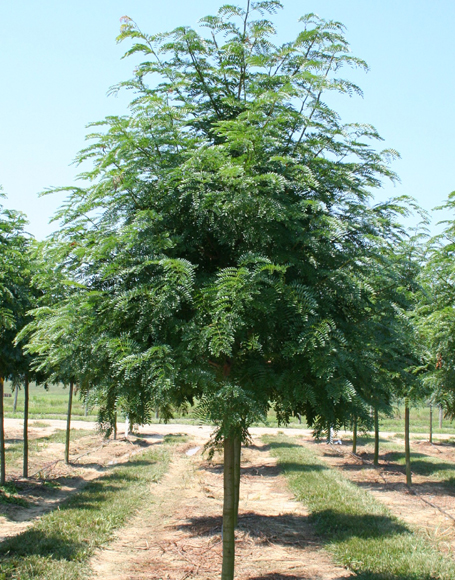
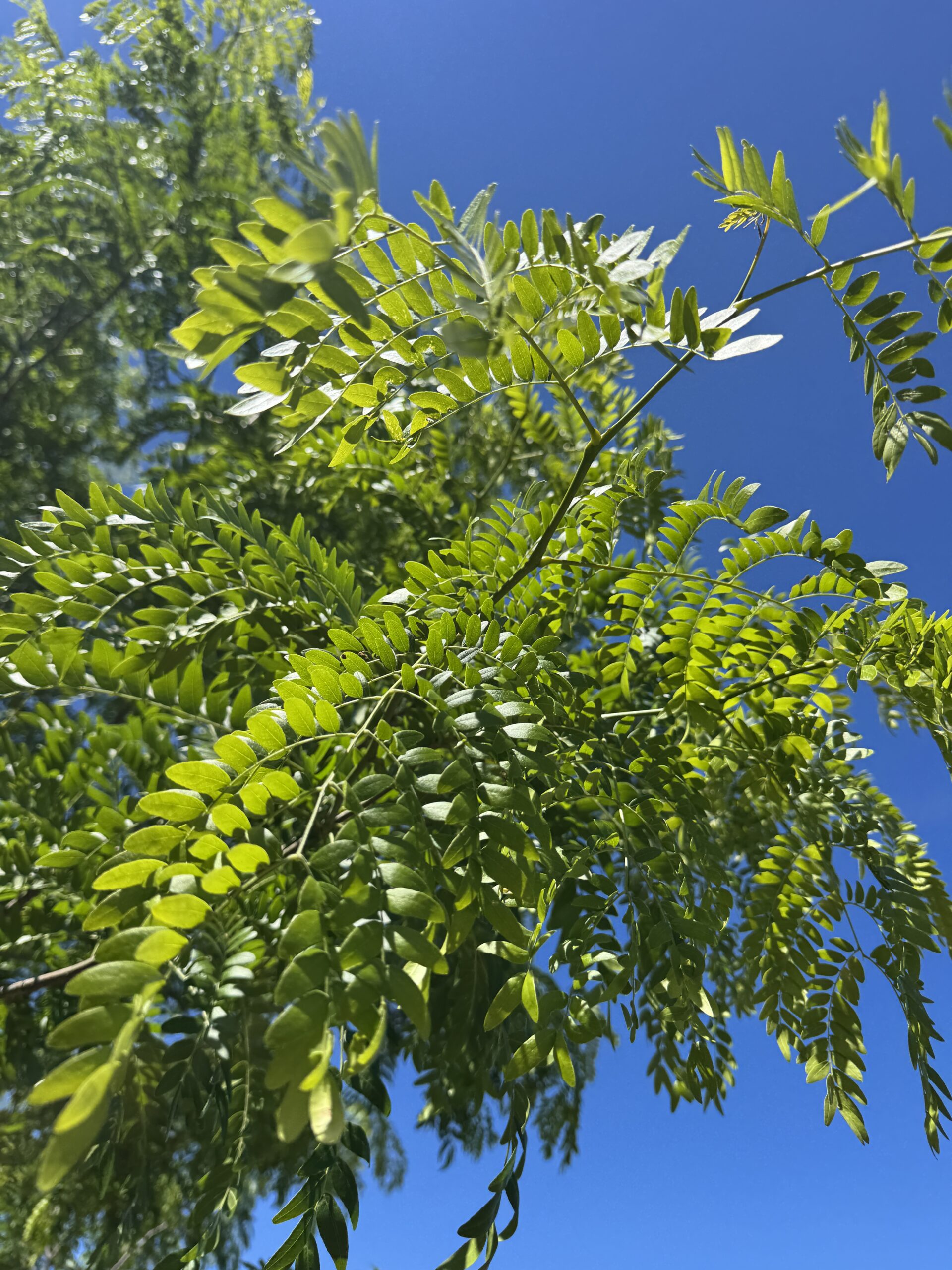
Imperial honeylocust (Gleditsia triacanthos f. inermis ‘Impcole’) grows about 35 ft tall and 35 ft wide. Flowers are green, yellow, and white. Leaves are green, then rich golden yellow. Full sun, adaptable soil, zones 4 through 9. It takes drought and wet sites, and it is used as a street tree.

Why plant Imperial Honeylocust

Imperial is the most compact and formal of the popular honeylocusts, and its wide branch angles resist storm damage. Its light shade lets grass grow right up to the trunk. It is also tolerant of wind and high summer heat. Like other thornless honeylocusts, its fallen leaflets sift their way through the grass in autumn, requiring little raking.

Why Cherry Creek

Wholesale buyers get Tennessee field-grown balled-and-burlapped Imperial honeylocust at real landscape caliper rather than container whips. Freight is quoted from Cookeville, or pickup is at 3600 Valley View Rd, Cookeville, TN 38506. A truckload can mix this tree with other plants. Call (931) 526-7682 or email sales@cherrycreeknursery.com.

Additional information

Size

Heavy

FAQ

What are the disadvantages of honey locust trees?

In parts of the Midwest, webworm, mites, galls and cankers have damaged many plantings. The species also drops pods that make a mess, though Imperial is seedless.

What are the pros and cons of growing an Imperial Honeylocust tree?

Pros: it is the most compact, formal honeylocust, and its wide branch angles resist storm damage. Con: honeylocust pests (webworm, mites, cankers) in some regions.

Where is the best place to plant a honey locust tree?

Full sun, as a lawn or street tree. It adapts to many soils and tolerates salt well.

  • Spring/Summer: Rich green foliage
  • Fall: Yellow foliage color
Scientific Name
Gleditsia triacanthos f. inermis ‘Impcole’
Mature Height
Mature Width
Growth Rate
Flower Color
Fall Color
Leaf Color
Sun
Soil
Water
Type
Characteristics
Common Name(s)
Imperial honeylocust
Growing Zone(s)
USDA Hardiness Zones 4–9 shown on map