
$250.00 – $450.00Price range: $250.00 through $450.00
| Size | Price | Quantity | |
|---|---|---|---|
| 2 in B&B | $250.00 | ||
| 2.5 in B&B | $300.00 | ||
| 3 in B&B | $350.00 | ||
| 3.5 in B&B | $400.00 | ||
| 4 in B&B | $450.00 |
We are located at: 3600 Valley View Rd. | Cookeville, Tennessee 38506
Call for a freight quote. The quote comes from the carriers.
Enter your order details into our freight calculator to estimate your shipping costs.

Japanese Maple (Acer palmatum) is the species behind hundreds of named cultivars. It matures at about 20 feet tall and wide, with layered branches and finely serrated, five- to nine-lobed leaves. Fall brings rich yellows and reds, and it does well in full sun in USDA Zones 5 to 8.
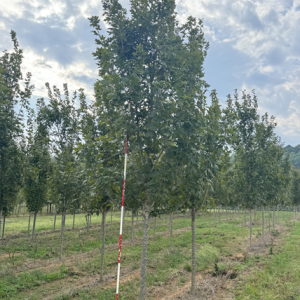
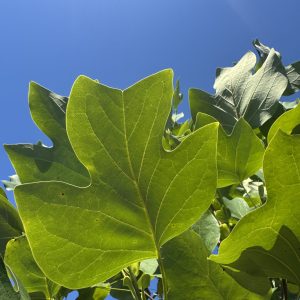
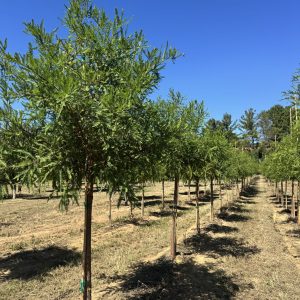
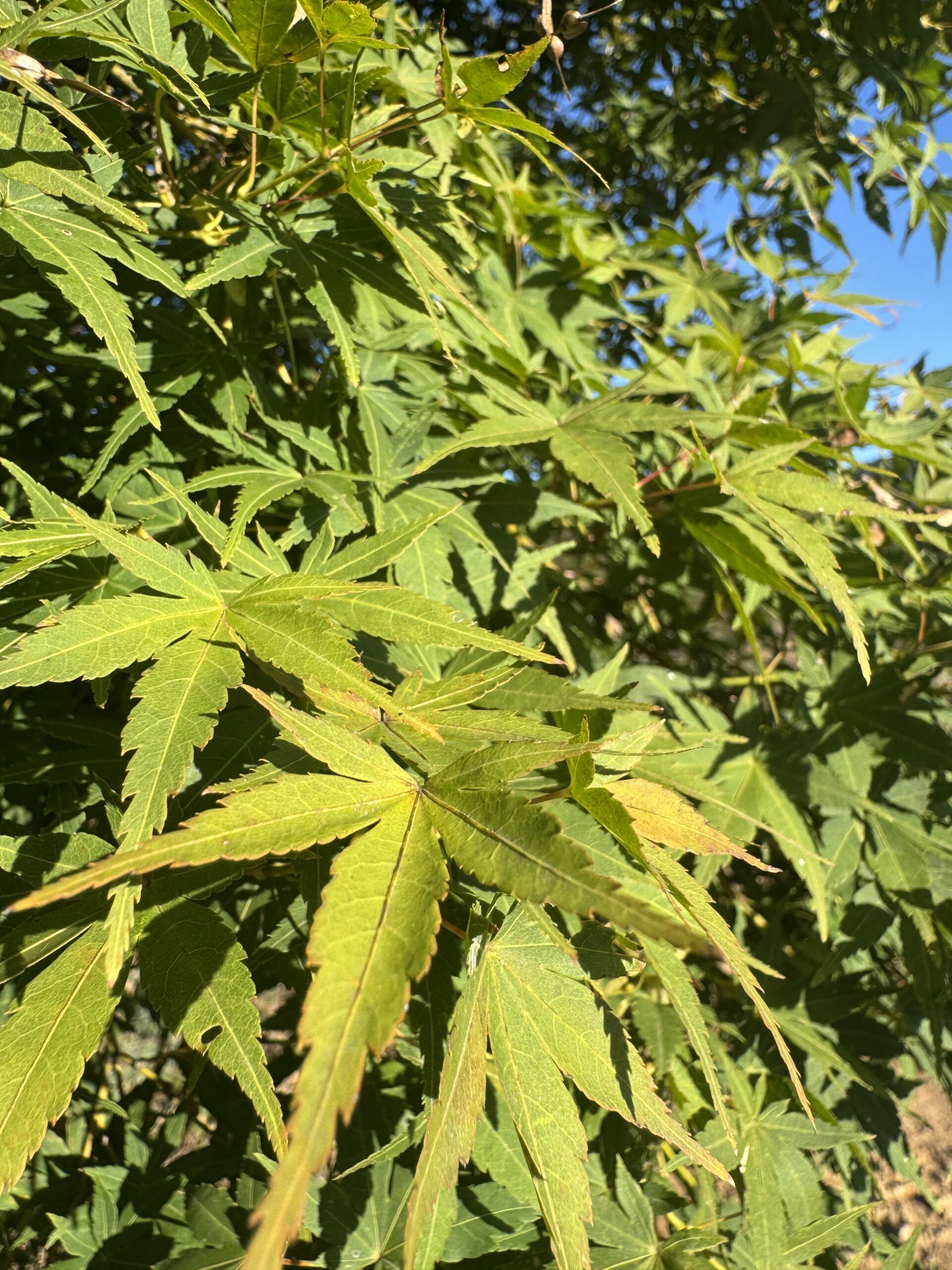
It is hard to imagine a garden that could not benefit from a Japanese maple. This is the true species, Acer palmatum, the parent of the hundreds of cultivars, and it adapts to more difficult environments than the named forms. Its branches grow in a layered, almost stratified pattern on a round to broad-rounded frame, much like a flowering dogwood. The five- to nine-lobed, finely serrated leaves are 2 to 5 inches long and wide and range from light green to dark green. Fall color is sensational, with rich yellows and reds that develop consistently each autumn and can last as late as November. In winter, the layered silhouette and smooth gray bark keep it interesting through the off season. It does well in full sun. At about 20 feet tall and 20 feet wide, it shines as a specimen that draws the eye, or plant three or more as a grouping in larger landscapes. It also works as an accent or specimen tree along a walkway or in an Asian garden. It is hardy in USDA Zones 5 to 8.
Wholesale buyers get Tennessee field-grown balled-and-burlapped Japanese maple at real landscape caliper rather than container whips. Freight is quoted from Cookeville, or pickup is at 3600 Valley View Rd, Cookeville, TN 38506. A truckload can mix this tree with other plants. Call (931) 526-7682 or email sales@cherrycreeknursery.com.
| Size | Heavy |
|---|
Japanese maple is choosy about where it grows. It wants evenly moist, acidic, organic, well-drained soil, and it turns yellow (chlorotic) in high-pH soil. Its salt tolerance is low, and its drought tolerance is only moderate even once it's established. It leafs out early, so late spring frosts can damage new growth, and the bark can suffer winter or summer sunscald. Ice and snow storms can also break branches. Many pests and diseases can show up, including aphids, scale, mites, borers, anthracnose, powdery mildew, Verticillium wilt and tar spot. Roots can circle or girdle in containers and tight planting spaces. In some regions, seedlings spread readily enough that it is listed as invasive in Virginia and DC. Pruning in spring or summer makes it bleed sap.
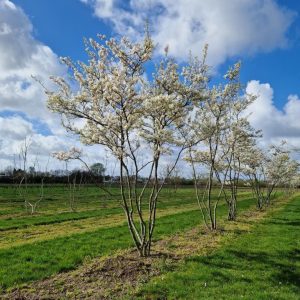
Plan on about 20 ft tall and 20 ft wide. The species usually grows 15 to 25 ft high and about as wide, though rare old specimens reach 40 ft. Its normal habit is round to broad-rounded, with branches in tiers that give it a layered look, much like flowering dogwood. That makes it a small tree that fits most yards.
Choose a spot in full sun or partial shade, sheltered from strong wind, with evenly moist, acidic, organic, well-drained soil. Avoid hot, dry sites. Mulch keeps the roots cool and holds moisture. It shines as a small specimen, in group plantings, in planter boxes, or as an accent near the house. It also makes a good sun-dappled understory tree at the edge of woodland. Wherever it goes, it has few rivals for fall color. Rich yellows and reds show up reliably every autumn and can hold into November.
Scientific Name | Acer palmatum |
Mature Height | |
Mature Width | |
Growth Rate | |
Fall Color | |
Leaf Color | |
Sun | |
Soil | |
Water | |
Type | |
Common Name(s) | Japanese Maple |
Growing Zone(s) |