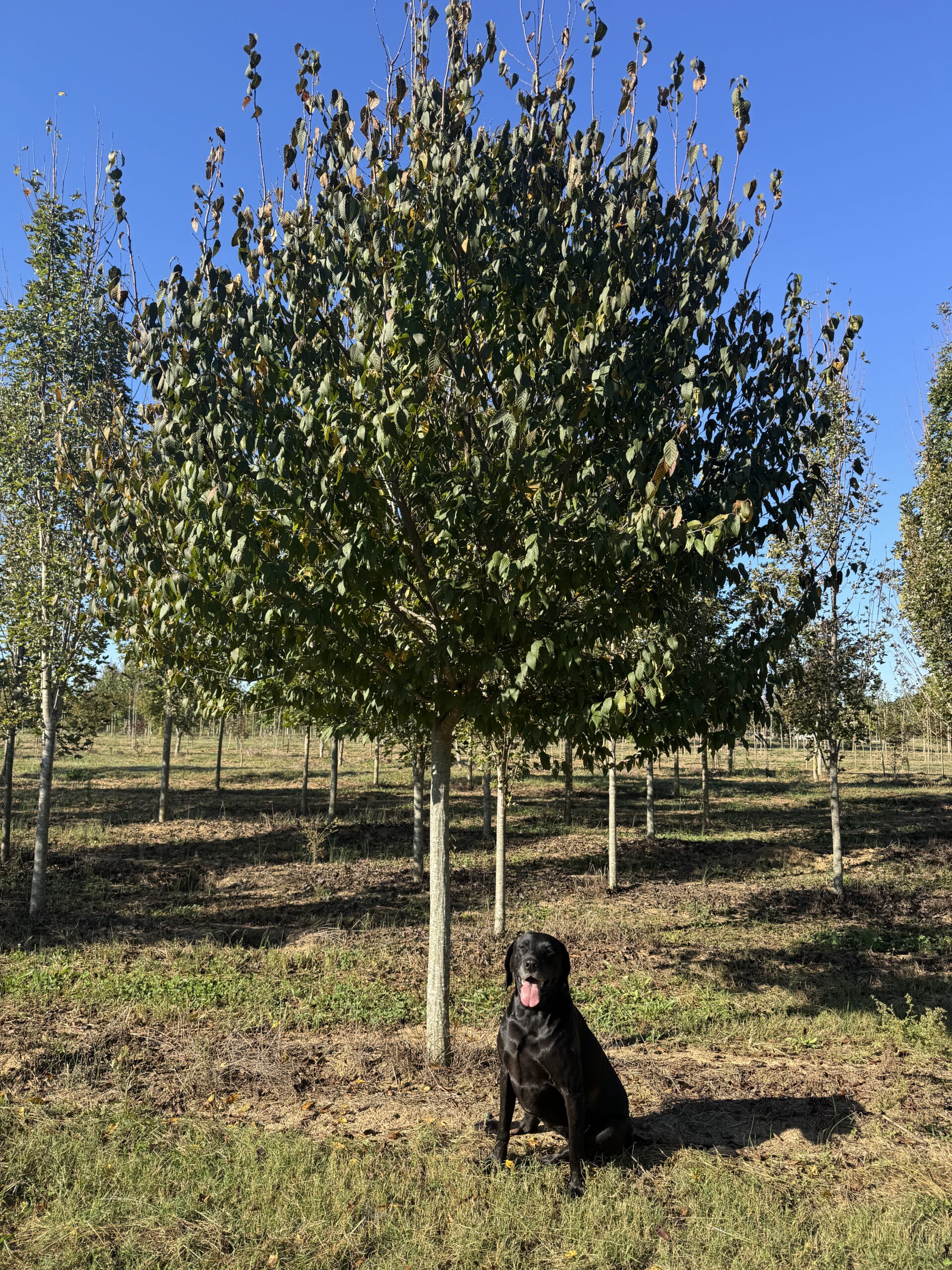
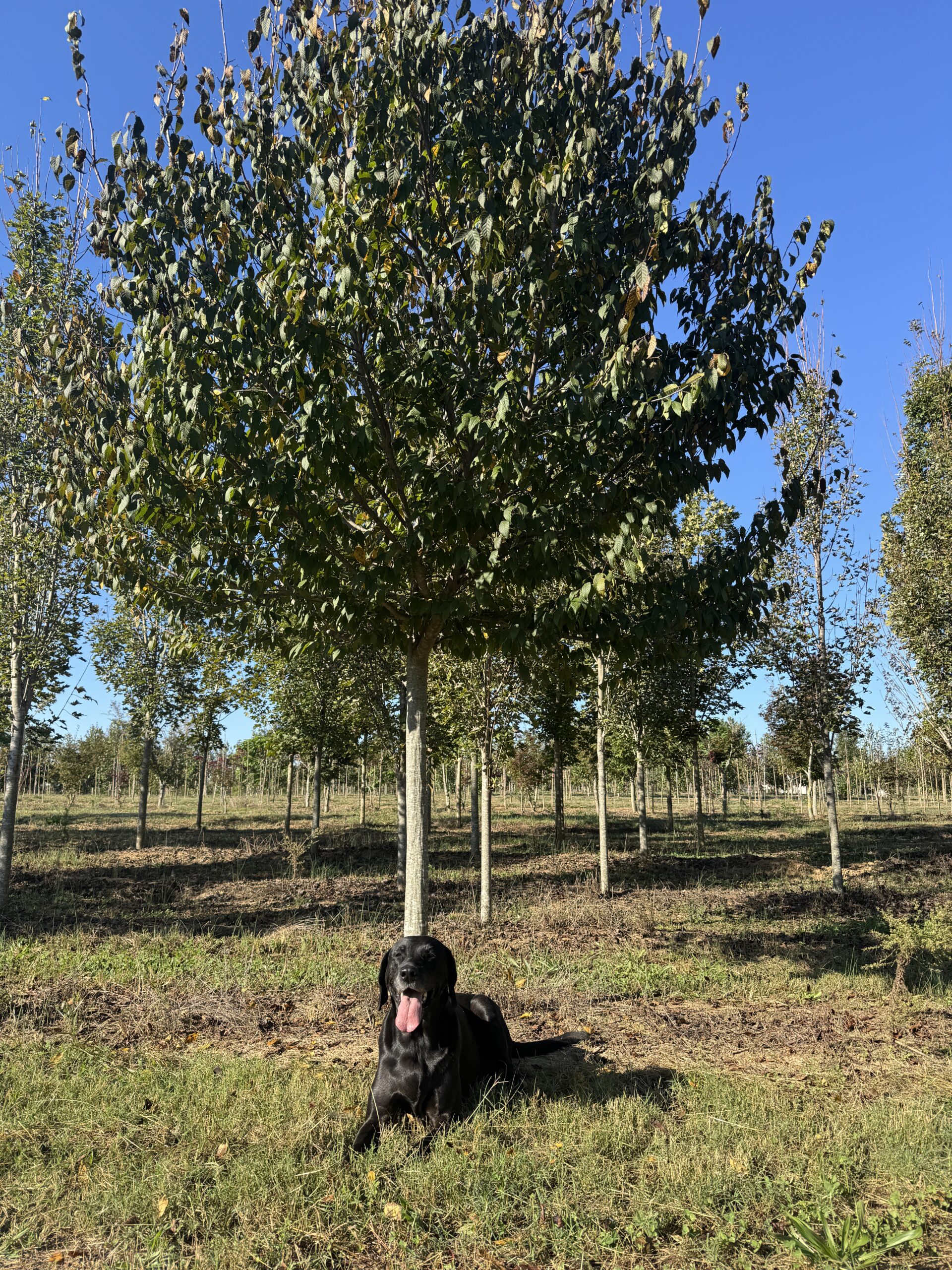
Native Flame® American Hornbeam 30′×20′

CARPINUS Caroliniana 'JFS-KW6' 'Native Flame®'

Price range: $168.00 through $278.00

Available Options

SizePriceQuantity 
2 in B&B$168.00
2.5 in B&B$191.00
3 in B&B$234.00
3.5 in B&B$278.00

Shipping Information

Distance (in Miles)
Weight (in LBs)
Calculate

We are located at: 3600 Valley View Rd. | Cookeville, Tennessee 38506

Call for a freight quote. The quote comes from the carriers. 

Enter your order details into our freight calculator to estimate your shipping costs. 

tree-pricing-35000

Description

At a glance

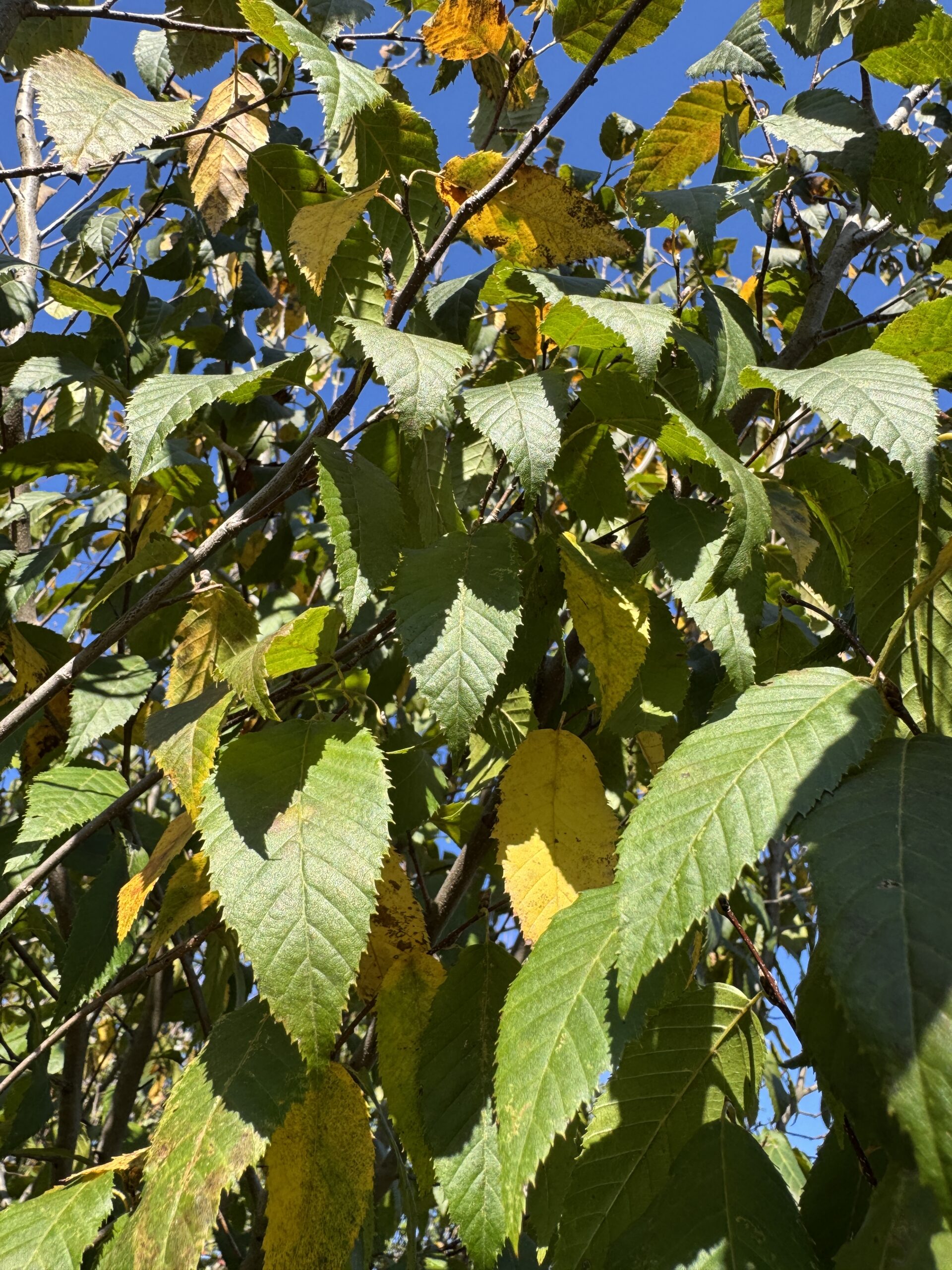
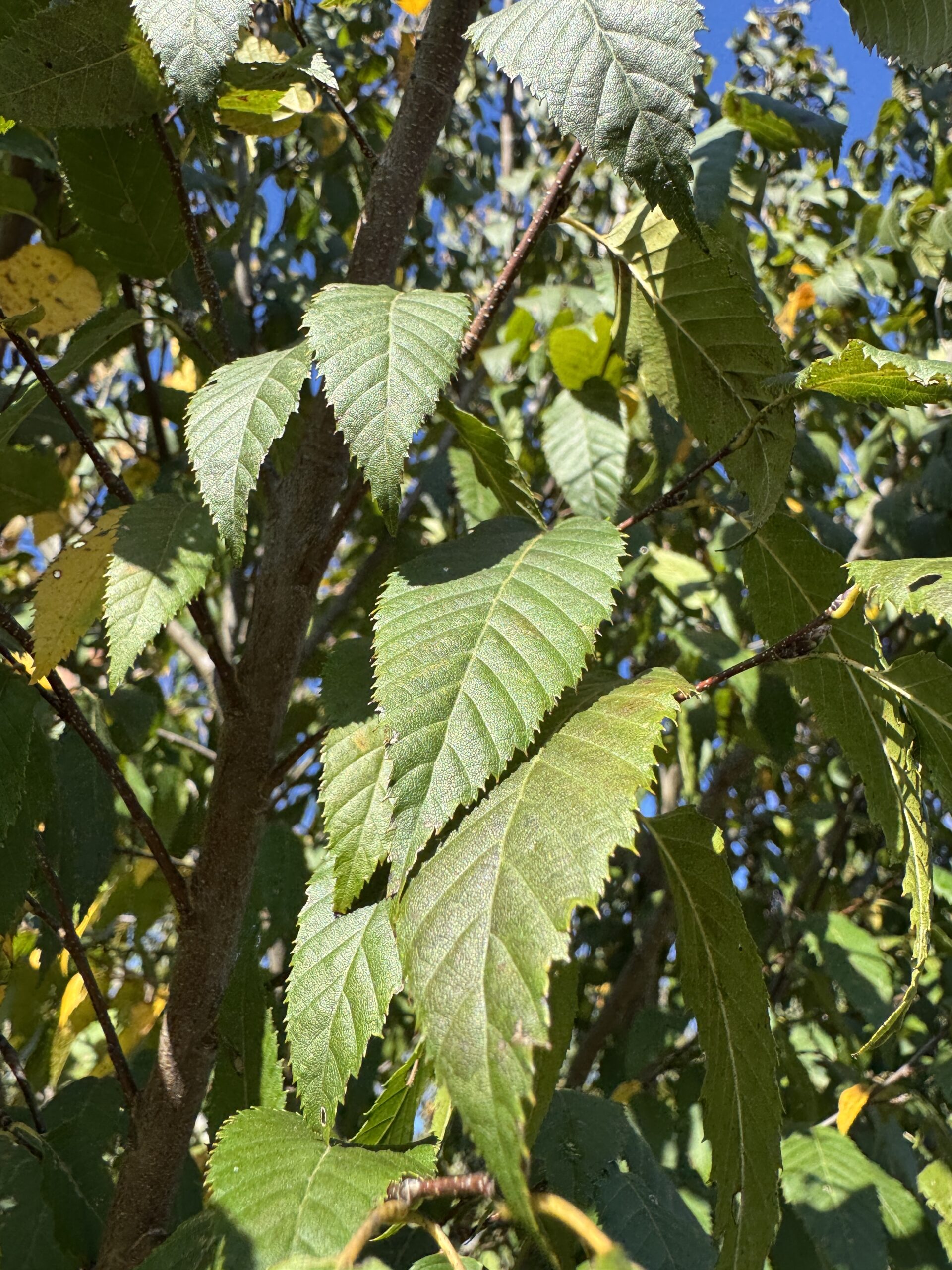
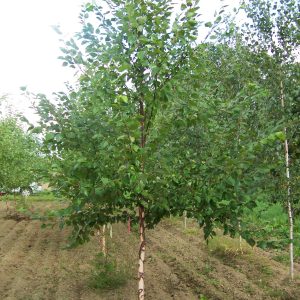
Native Flame® American hornbeam is a selection of Carpinus caroliniana. The size on this page is 30 feet tall and 20 feet wide. Its leaves are green and turn yellow, orange, and red in fall. It grows in full sun, in acidic soil.

Why plant Native Flame® American Hornbeam

Native Flame was chosen for dark green summer foliage and a crackling red fall color display. It is a great tree for naturalizing along the edges of woodlands and streams.

Why Cherry Creek

Wholesale buyers get Tennessee field-grown balled-and-burlapped Native Flame® American hornbeam at real landscape caliper rather than container whips. Freight is quoted from Cookeville, or pickup is at 3600 Valley View Rd, Cookeville, TN 38506. A truckload can mix this tree with other plants. Call (931) 526-7682 or email sales@cherrycreeknursery.com.

Additional information

Size

Heavy

FAQ

What is the dig timing?

Dig timing: summer usually at least 3 days and more often about 2 weeks for watering; fall after leaf drop usually 3 days; winter usually within 7 days; spring usually 10–14 days depending on how busy they are. Call or text (931) 526-7682.

Where is the best place to plant American hornbeam?

American hornbeam grows naturally as an understory tree along streams, but it does well in full sun in the landscape. It grows best in deep, moist, acid soil and still performs well in tougher Midwest conditions. It is a great tree for naturalizing along woodland edges and streams.

What does hornbeam look like in the winter?

It is upright-spreading, with a round, often irregular, to flat-topped crown. The smooth bark looks like European hornbeam's, and its buds are a distinct brownish black.

Can a hornbeam tree be cut back hard?

Hornbeams take pruning and shaping well, even into hedges.

  • Spring: Fresh green foliage emerges, creating a lush, dense canopy.
  • Summer: Deep green leaves provide cooling shade and strong structure.
  • Fall: Leaves transition to vibrant shades of red, orange, and yellow, creating a brilliant autumn display.
  • Winter: Smooth gray bark and elegant branching add architectural interest to the landscape.
Scientific Name
CARPINUS Caroliniana ‘JFS-KW6’ ‘Native Flame®’
Mature Height
Mature Width
Growth Rate
Fall Color
Leaf Color
Sun
Soil
Water
Type
Characteristics
Common Name(s)
Native Flame® American Hornbeam
Growing Zone(s)
USDA Hardiness Zones 5–9 shown on map