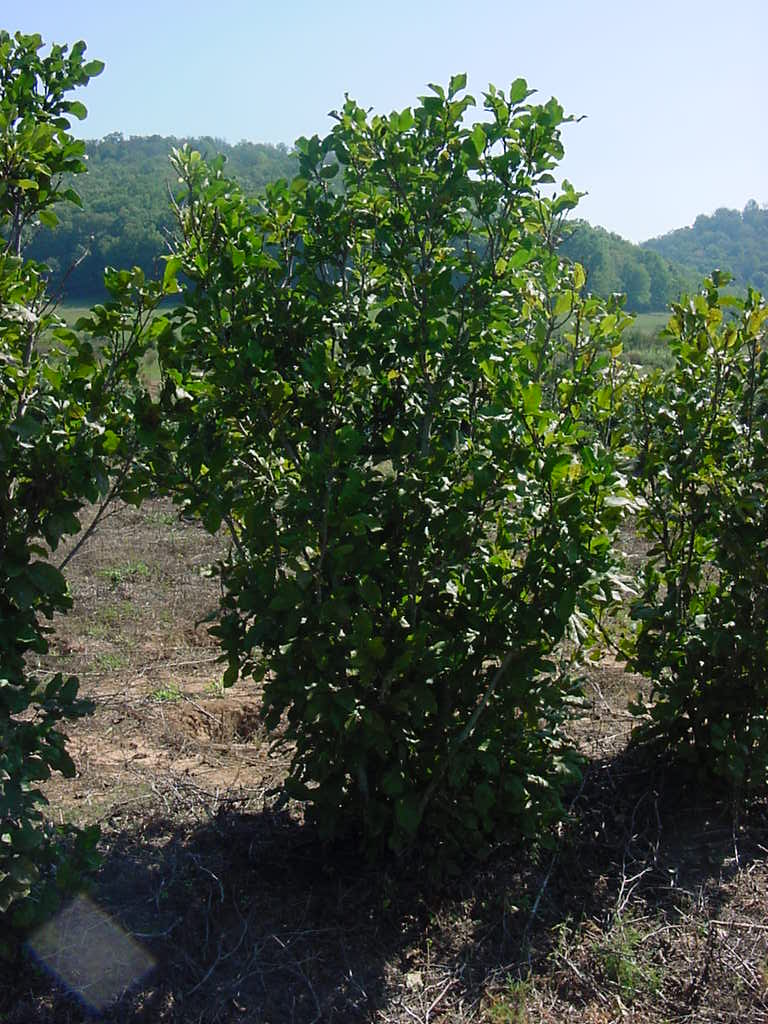
Ann Magnolia (Deep Purple-Red) 15′×10′

MAGNOLIA x ‘Ann’

Price range: $125.00 through $150.00

Available Options

SizePriceQuantity 
6 ft B&B$125.00
7 ft B&B$150.00

Shipping Information

Distance (in Miles)
Weight (in LBs)
Calculate

We are located at: 3600 Valley View Rd. | Cookeville, Tennessee 38506

Call for a freight quote. The quote comes from the carriers. 

Enter your order details into our freight calculator to estimate your shipping costs. 

tree-pricing-35000

Description

At a glance

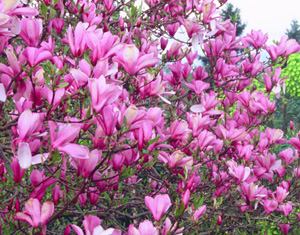
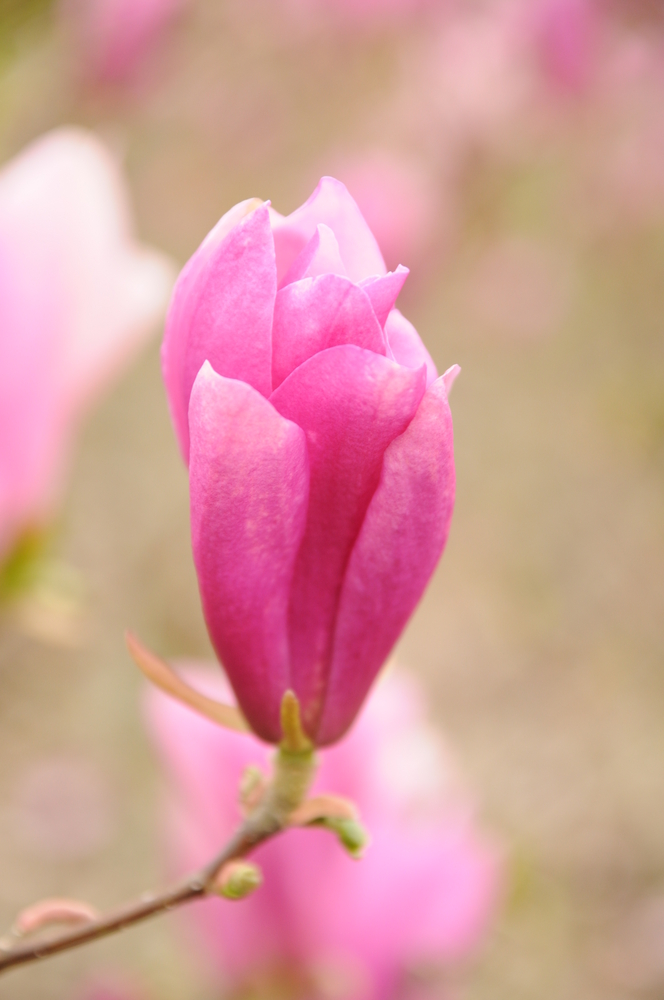
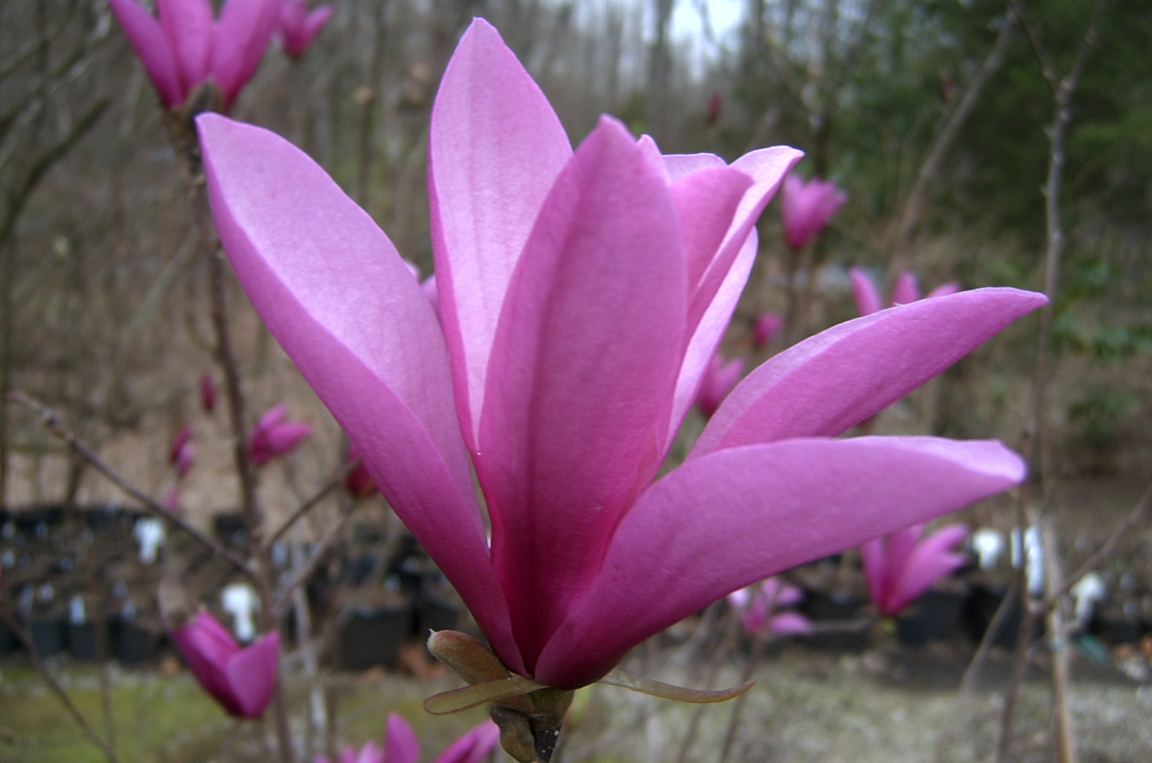
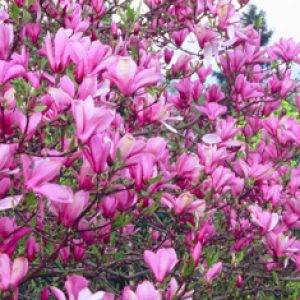
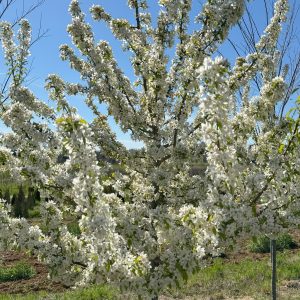
Ann is one of the Little Girl hybrid magnolias developed at the U.S. National Arboretum in the mid-1950s. It blooms late, in April and May, so it is less apt to suffer spring frost damage. Chalice-shaped red-purple flowers 7 to 9 inches across cover the tree, and many plants rebloom lightly in summer. Mature size: 15′×10′.

Why plant Ann Magnolia (Deep Purple-Red)

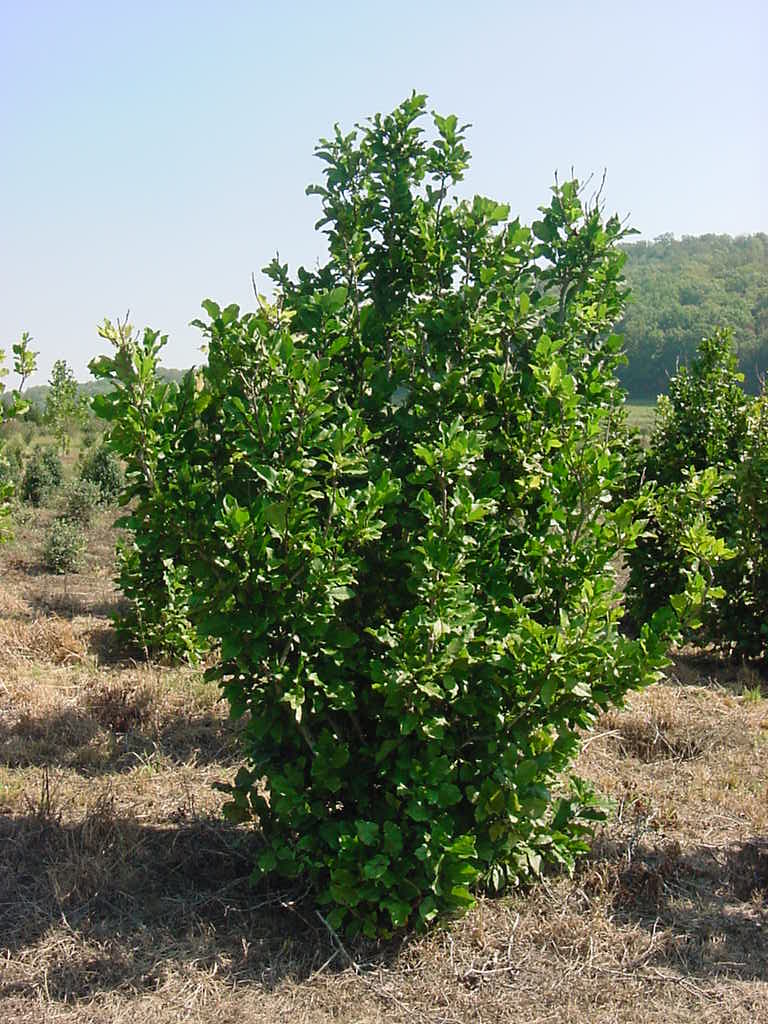
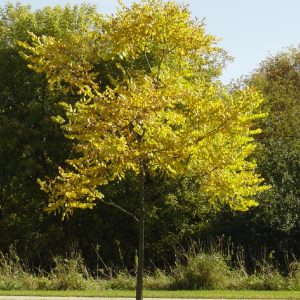
Ann is one of the shrubby, later-flowering magnolias that avoid spring frosts, with prolific, radiant red-purple blooms. Many plants also produce a second, smaller flush of flowers in the warmest months. It has a compact, shrubby habit, its flowers are slightly fragrant, and its leaves turn yellow in fall.

Why Cherry Creek

Wholesale buyers get Tennessee field-grown balled-and-burlapped Ann magnolia. Freight is quoted from Cookeville, or pickup is at 3600 Valley View Rd, Cookeville, TN 38506. A truckload can mix this shrub with other plants. Call (931) 526-7682 or email sales@cherrycreeknursery.com.

Additional information

Size

Heavy

FAQ

How big does an Ann magnolia get?

About 15 ft tall and 11 ft wide.

Where is the best place to plant Ann magnolia?

In full sun, in acidic to normal, well-drained soil.

What are the pros and cons of growing an Ann magnolia tree?

Pros: deep purple-red flowers that open later than many magnolias, helping them avoid spring frosts, on a compact plant. Con: the foliage can get powdery mildew, and the plant sends up water sprouts that need occasional pruning.

Does the Ann magnolia bloom in the summer?

Its main bloom is in spring, but many plants produce a second, smaller flush of flowers in the warmest months.

Spring: New leaves emerge, and fragrant flowers begin to bloom, attracting pollinators. Summer: Lush green foliage provides a beautiful backdrop for the tree. Fall: Leaves transition to yellow, adding seasonal color before dropping. Winter: The smooth gray bark adds texture and interest during the colder months.

Scientific Name
MAGNOLIA x ‘Ann’
Mature Height
Mature Width
Growth Rate
Flower Color
Leaf Color
Sun
Soil
Water
Type
Characteristics
Common Name(s)
Ann Magnolia
Growing Zone(s)
USDA Hardiness Zones 4–8 shown on map