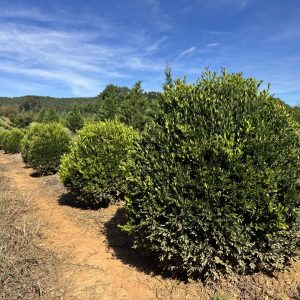
St. Lukes Plum 20′×20′

Prunus angustifolia 'St. Luke's'

$140.00

Available Options

SizePriceQuantity 
2 in B&B$140.00

Shipping Information

Distance (in Miles)
Weight (in LBs)
Calculate

We are located at: 3600 Valley View Rd. | Cookeville, Tennessee 38506

Call for a freight quote. The quote comes from the carriers. 

Enter your order details into our freight calculator to estimate your shipping costs. 

tree-pricing-35000

Description

At a glance

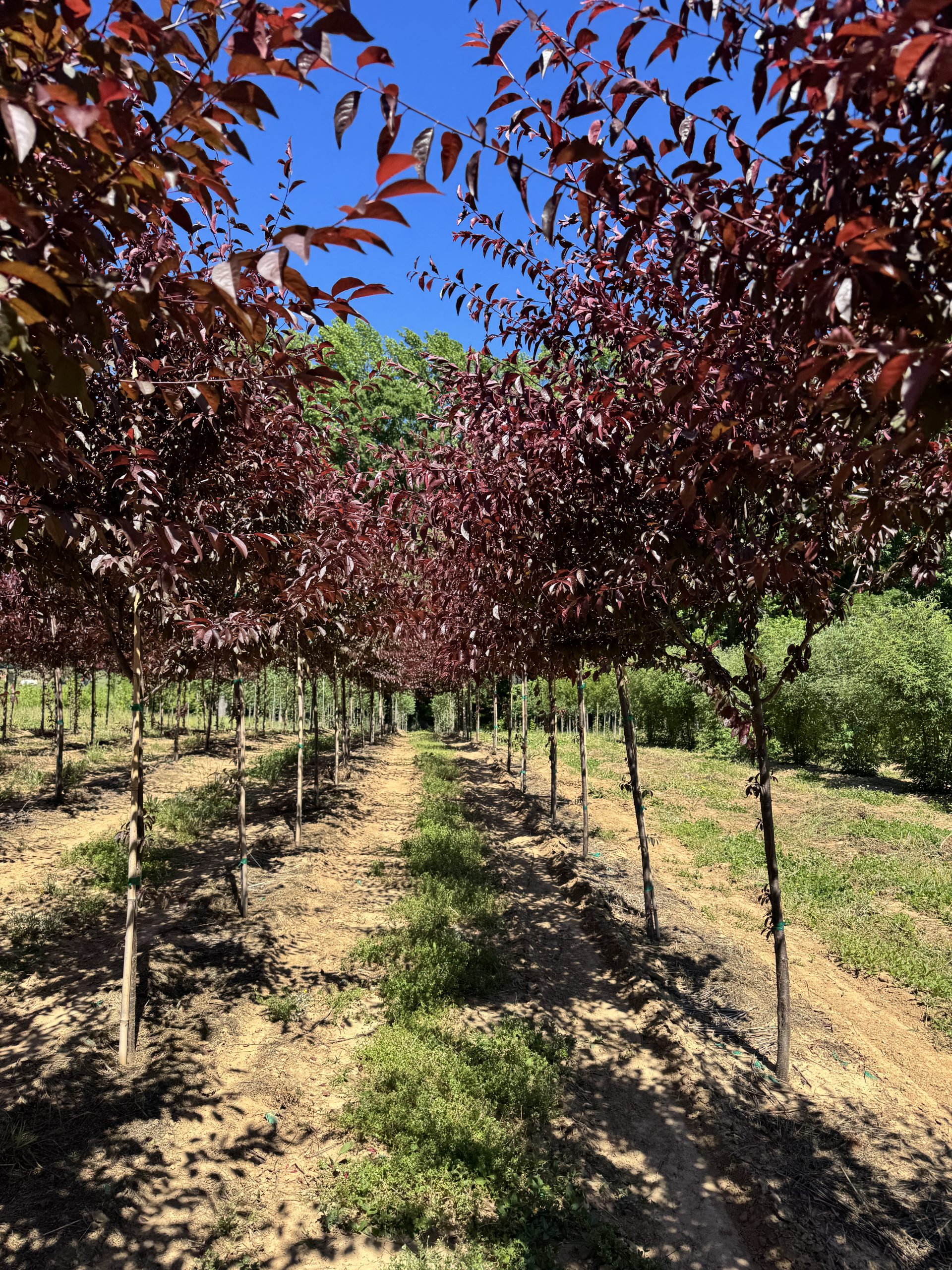
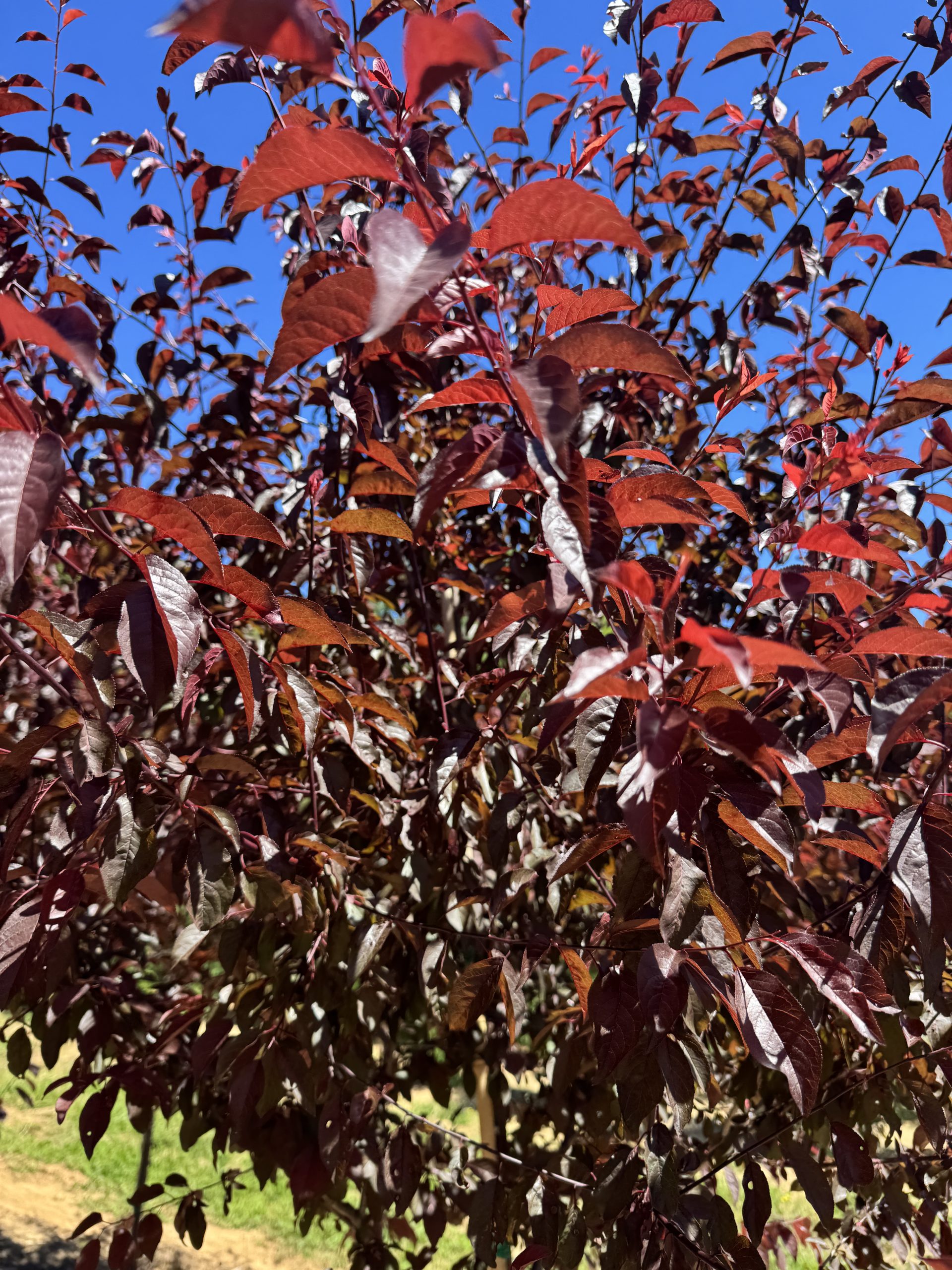
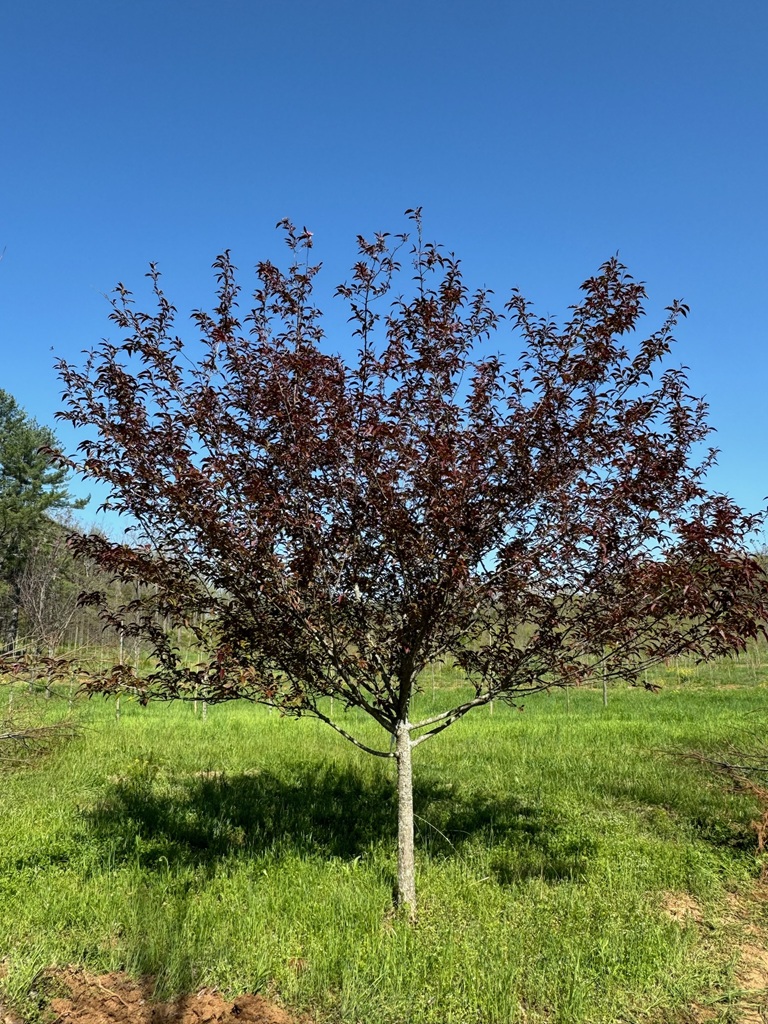
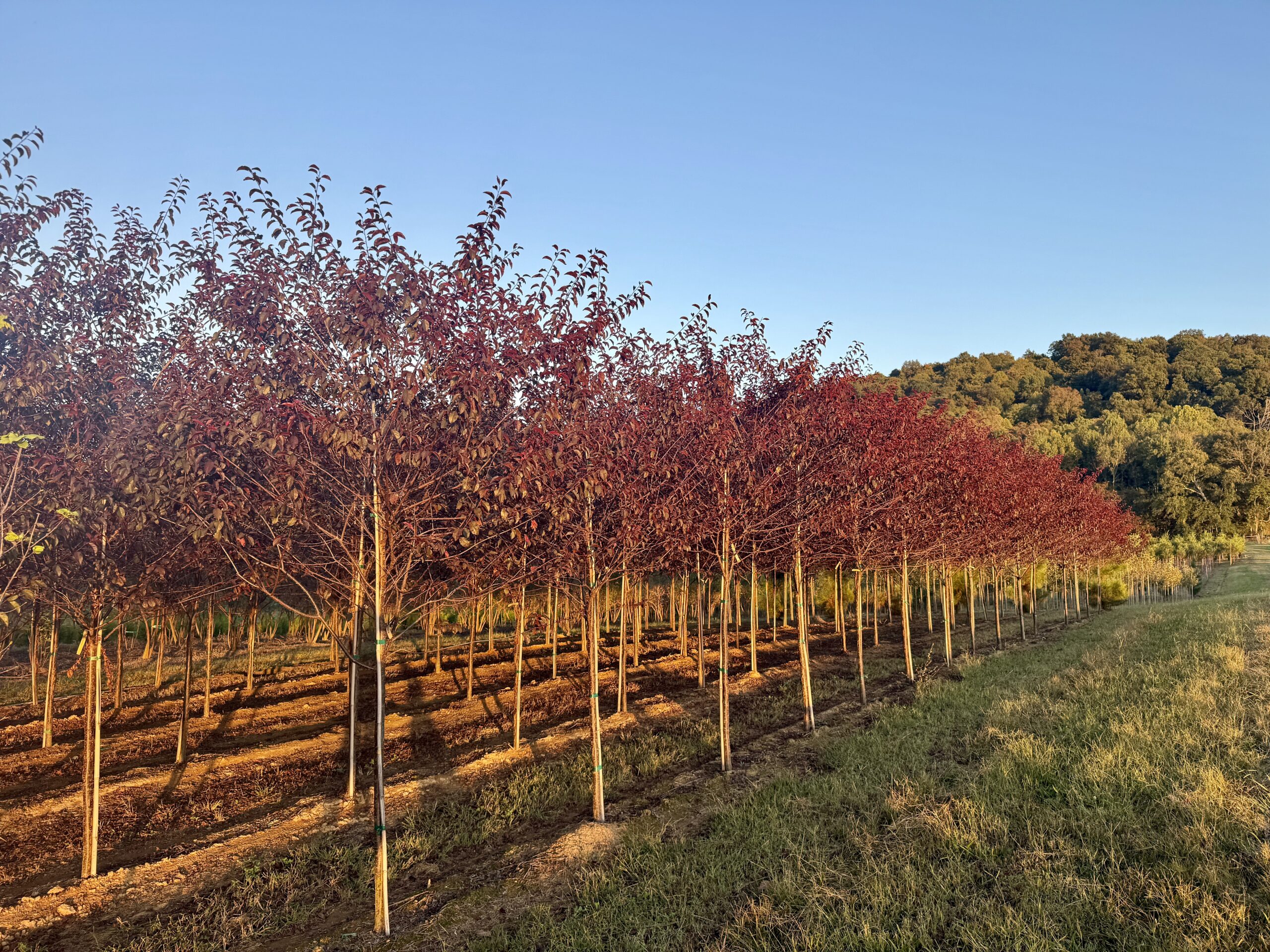
St. Luke’s plum (Prunus angustifolia) is a modified leader tree with a rounded canopy and deep purple foliage from spring through fall. In early spring, before the leaves emerge, it is covered in pink blossoms. It grows in full sun in well-drained loam, tolerates clay, and is hardy in USDA zones 4 through 9.

Why plant St. Lukes Plum

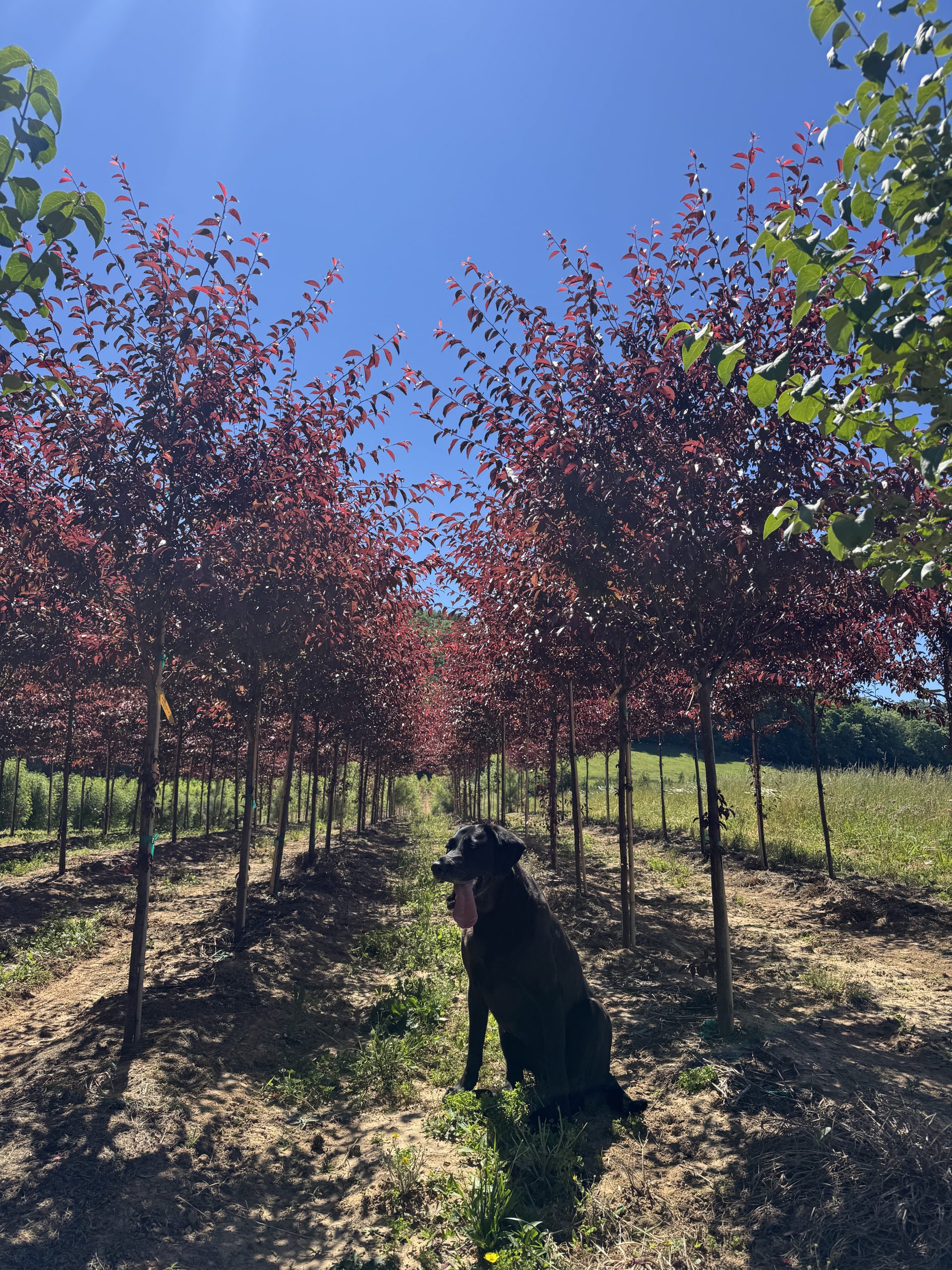
Deep purple foliage holds from spring through fall and stands out against green-leaved trees. In early spring, before the leaves come out, the tree is covered in delicate pink blossoms. Its compact, rounded canopy suits a specimen or focal point in a smaller landscape, or a row along a drive or walkway.

Why Cherry Creek

Wholesale buyers get Tennessee field-grown balled-and-burlapped St. Lukes plum, at landscape caliper rather than container whips. Freight is quoted from Cookeville, or pickup is at 3600 Valley View Rd, Cookeville, TN 38506. A truckload can mix this tree with other plants. Call (931) 526-7682 or email sales@cherrycreeknursery.com.

Additional information

Size

Heavy, 2 in B&B

FAQ

Does St. Luke's plum produce fruit, and is it edible?

St. Luke's plum may produce small reddish-purple plums in late summer. The fruits are edible, but the tree is not a heavy producer: it is primarily planted for its ornamental value, and the fruit is typically grown for wildlife or as an accent.

Does St. Luke's plum need a second tree to set fruit?

No. St. Luke's plum is self-pollinating, though pollinators increase fruit set.

When does St. Luke's plum bloom, and what color are the flowers?

It blooms in early spring, before the leaves emerge, when the tree is covered in a profusion of delicate pink blossoms. That makes it one of the first signs of the season.

What site and soil does St. Luke's plum need?

Plant it in full sun in well-drained loam with a soil pH of 6.0 to 7.5; it tolerates clay. Water newly planted trees regularly.

  • Spring: Stunning display of pink flowers before the leaves emerge.
  • Summer: Lush purple foliage creates a striking visual impact.
  • Fall: St. Lukes Plum Foliage turns a vibrant burgundy, enhancing autumn landscapes.
  • Winter: The structure and bark provide visual interest in the dormant season.
Scientific Name
Prunus angustifolia ‘St. Luke’s’
Flower Color
Leaf Color
Sun
Soil
Type
Characteristics
Common Name(s)
St. Lukes Plum
USDA Hardiness Zones 4–9 shown on map