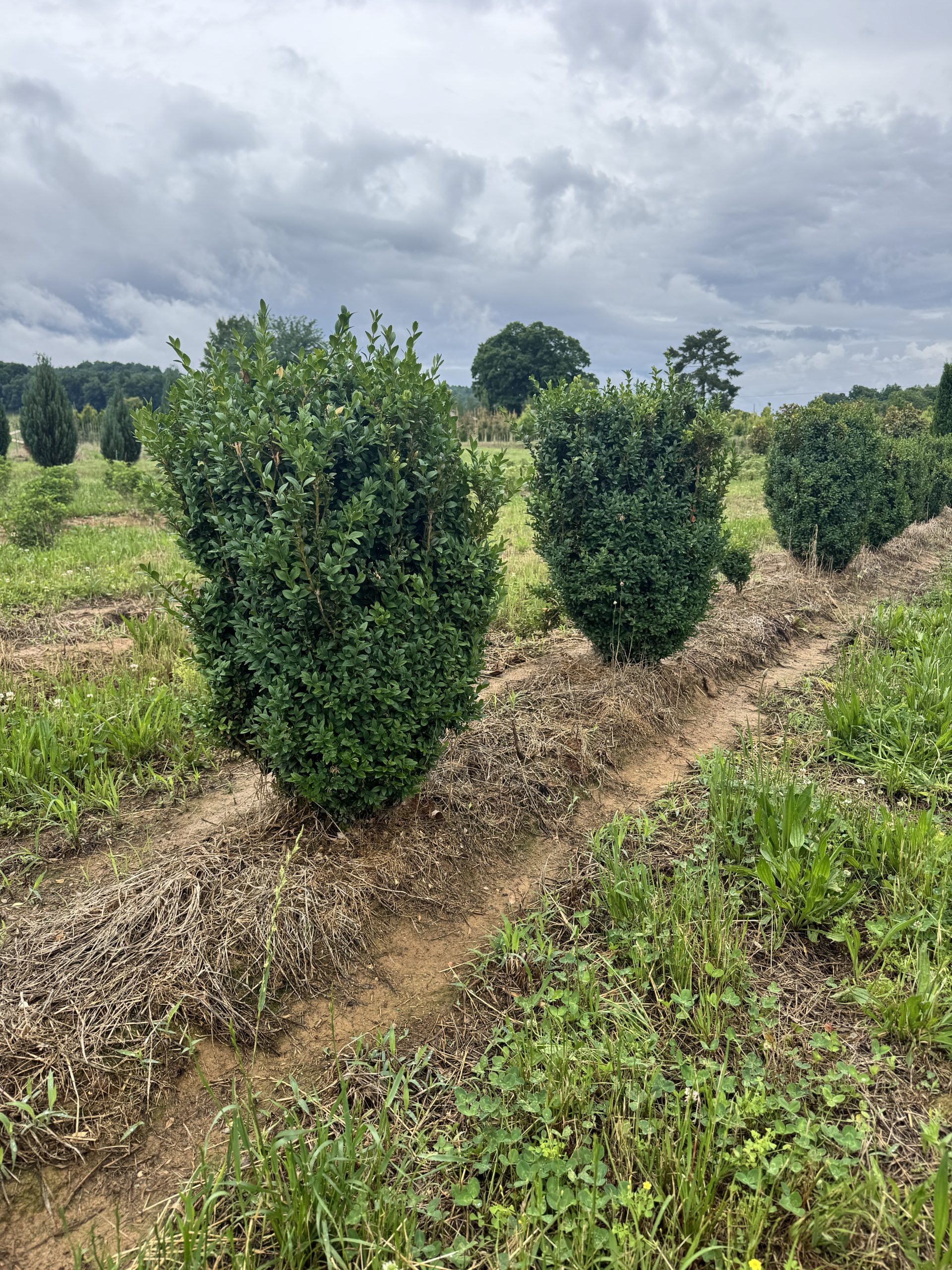
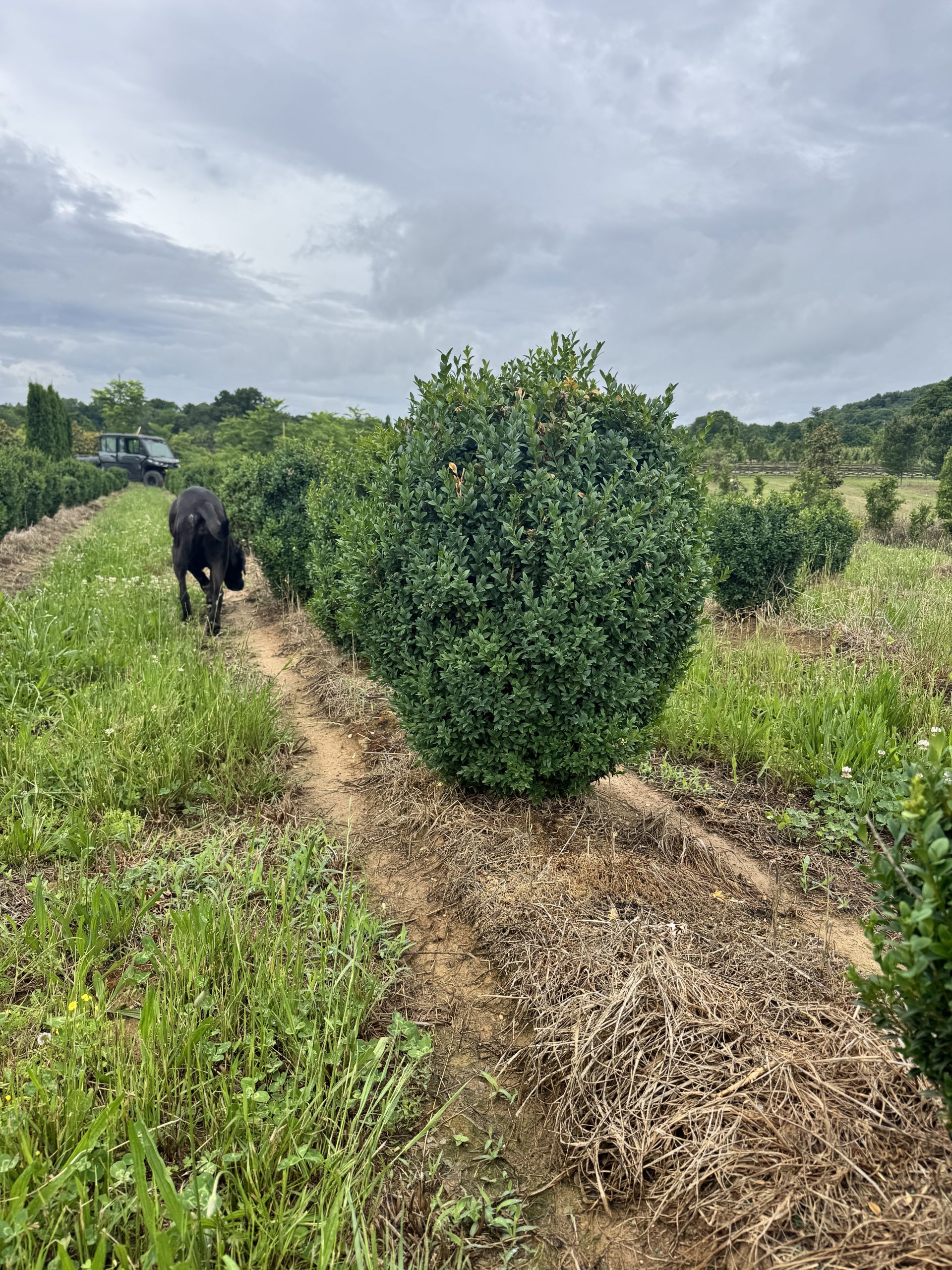
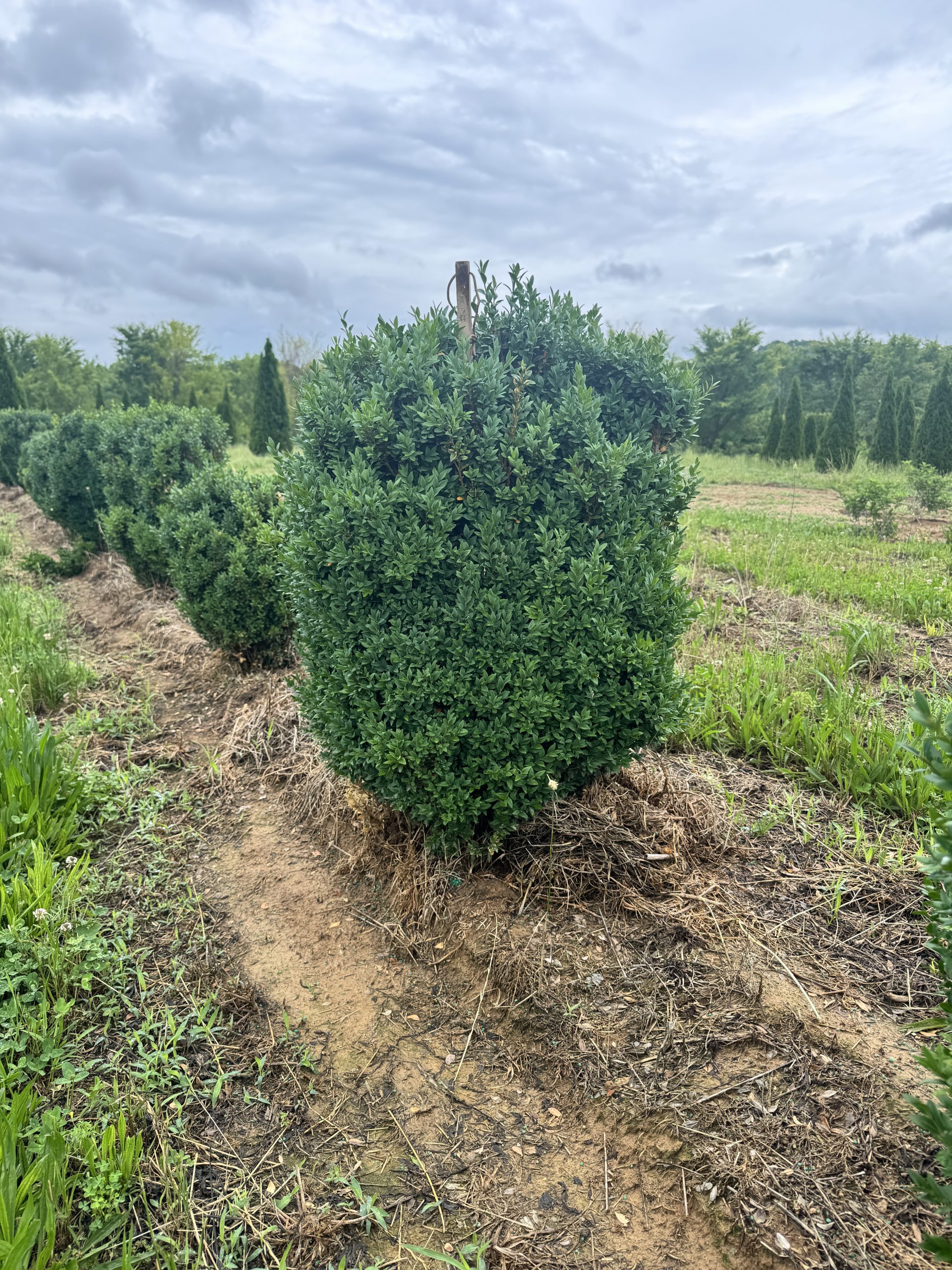
American Boxwood 20′×20′

Buxus sempervirens

Price range: $101.00 through $148.00

Available Options

SizePriceQuantity 
24 in B&B$101.00
30 in B&B$130.00
36 in B&B$148.00

Shipping Information

Distance (in Miles)
Weight (in LBs)
Calculate

We are located at: 3600 Valley View Rd. | Cookeville, Tennessee 38506

Call for a freight quote. The quote comes from the carriers. 

Enter your order details into our freight calculator to estimate your shipping costs. 

tree-pricing-35000

Description

At a glance

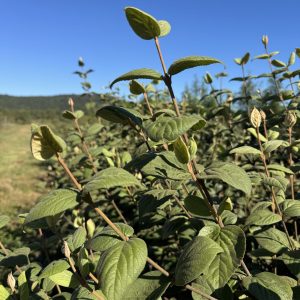
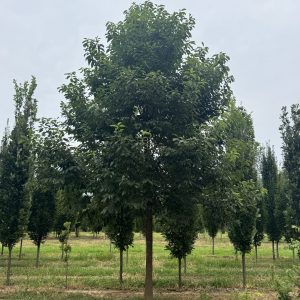
American boxwood is Buxus sempervirens. The size on this page is 20 feet tall and 20 feet wide. Its leaves are green. It grows in full sun or partial shade, in well-drained soil, and it is hardy in USDA zones 5 through 8.

Why plant American Boxwood

American boxwood is one of the most functional plants in garden history, used for screens, hedges, and foundations in the great gardens of the world. It also displays superb deer resistance.

Why Cherry Creek

Wholesale buyers get Tennessee field-grown B&B boxwood. Freight is quoted from Cookeville, or pickup is at 3600 Valley View Rd, Cookeville, TN 38506. A truckload can mix this plant with other plants. Call (931) 526-7682 or email sales@cherrycreeknursery.com.

Additional information

Size

Heavy

FAQ

How big does an American boxwood get?

Left unpruned, American boxwood grows into a large evergreen about 20 ft tall and 20 ft wide, a true giant among boxwoods. Specimens 15 to 20 ft high and wide grew in Cincinnati, Ohio, until the severe freezes of 1976-77 at -20°F and below. Most people keep it much smaller. It takes hard pruning well, and older plants cut back in late winter to 18 to 36 in. above the ground will have new foliage covering the bare stems by the end of summer.

What are the disadvantages of boxwoods?

American boxwood is neither especially cold-hardy nor especially heat-tolerant, and hard freezes can badly damage old plants. Psyllids, leaf miners, mites and nematodes can all do real damage, and stressed plants can turn unkempt. Boxwood blight, Volutella blight, leaf spot and root rot in poorly drained soil are other problems. In open sites with winter sun and wind, the foliage often bronzes to a brownish yellow. The roots are shallow, so don't cultivate around it. Some people dislike the smell of the foliage.

What is the difference between American and English boxwoods?

Both are the same species, Buxus sempervirens, which goes by common, American or English boxwood. The real difference is form. The species grows into a big shrub or small tree up to about 20 ft. The plant usually sold as "true English boxwood" is the selection 'Suffruticosa', a dense, compact, slow-growing form made for edging. It can be kept just a few inches high or left to reach 4 to 5 ft after many years. English boxwood's leaves are notably fragrant. It is considered the least likely to get box leaf miner, but it is susceptible to nematodes.

Year-round: Provides consistent green color and structure throughout all seasons

Scientific Name
Buxus sempervirens
Mature Height
Mature Width
Growth Rate
Leaf Color
Sun
Soil
Water
Type
Common Name(s)
American Boxwood
Growing Zone(s)
USDA Hardiness Zones 5–8 shown on map