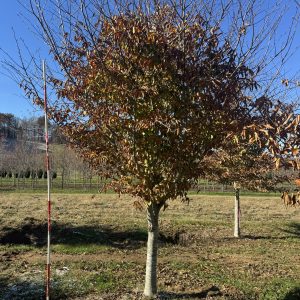
Appalachian Redbud 20′×25′

Cercis canadensis 'Appalachian Red'

$181.00

Available Options

SizePriceQuantity 
2 in B&B$181.00

Shipping Information

Distance (in Miles)
Weight (in LBs)
Calculate

We are located at: 3600 Valley View Rd. | Cookeville, Tennessee 38506

Call for a freight quote. The quote comes from the carriers. 

Enter your order details into our freight calculator to estimate your shipping costs. 

tree-pricing-35000

Description

At a glance

Appalachian redbud is Cercis canadensis ‘Appalachian Red’. The size on this page is 20 feet tall and 25 feet wide. Flowers are pink. Leaves are green and turn yellow in fall. It grows in full sun or partial shade, in adaptable soil, and it is hardy in USDA zones 4 through 9.

Why plant Appalachian Redbud

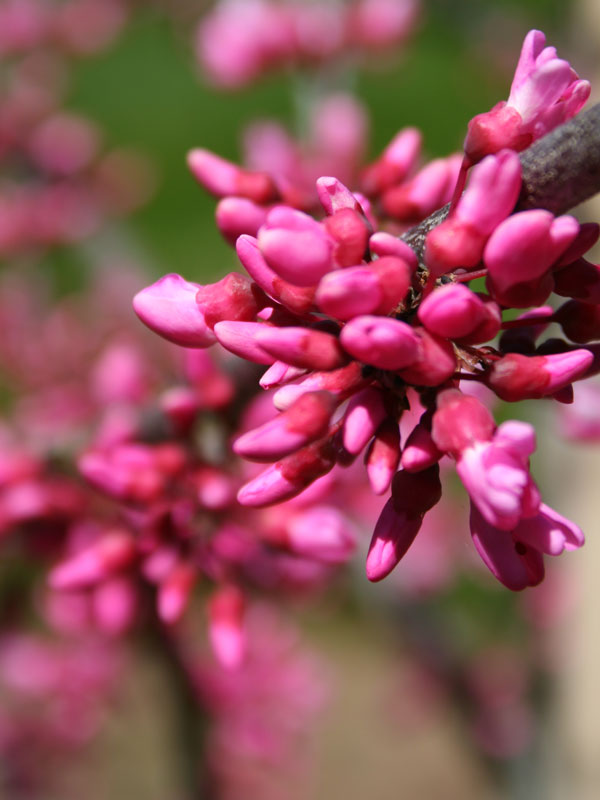
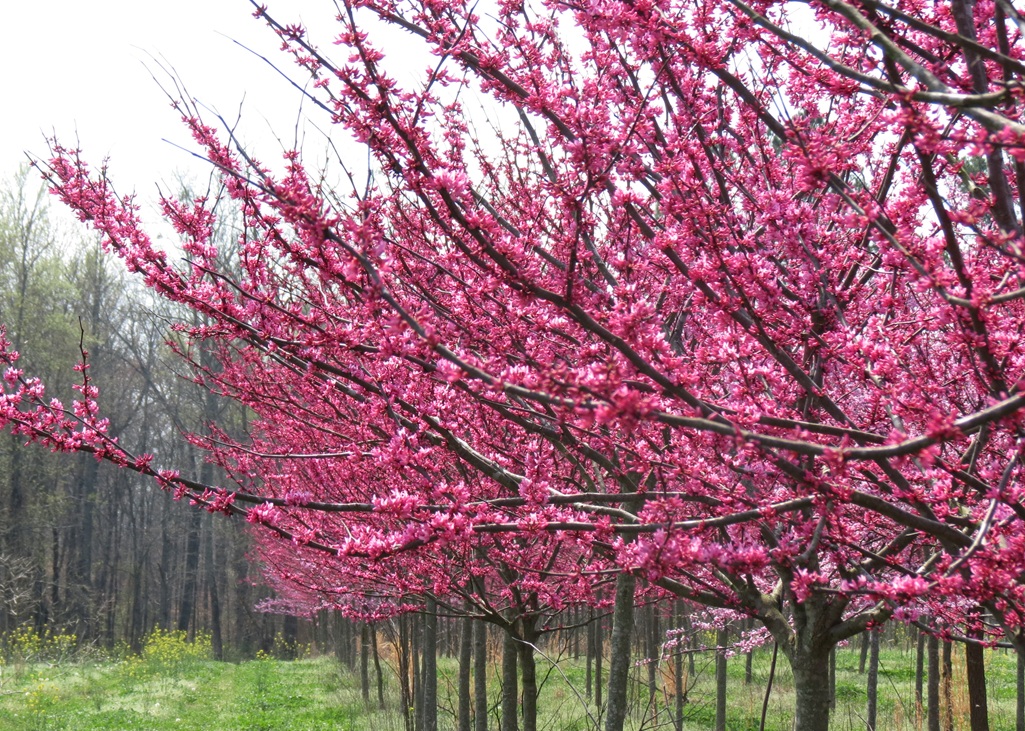
Appalachian Red’s buds open to bright (neon) pink, more eye-catching than the species. In bloom, it has no equal, no competitor. One grower calls its flowers the brightest it has seen on an eastern redbud: magenta buds give way to a shockingly bright hot pink, far from the lavender-tinted soft pink more typical of the species. It flowers heavily for two to three weeks in early spring (April), before the leaves emerge, and it has a multi-stem or low-branched, spreading shape with excellent dark green summer foliage.

Why Cherry Creek

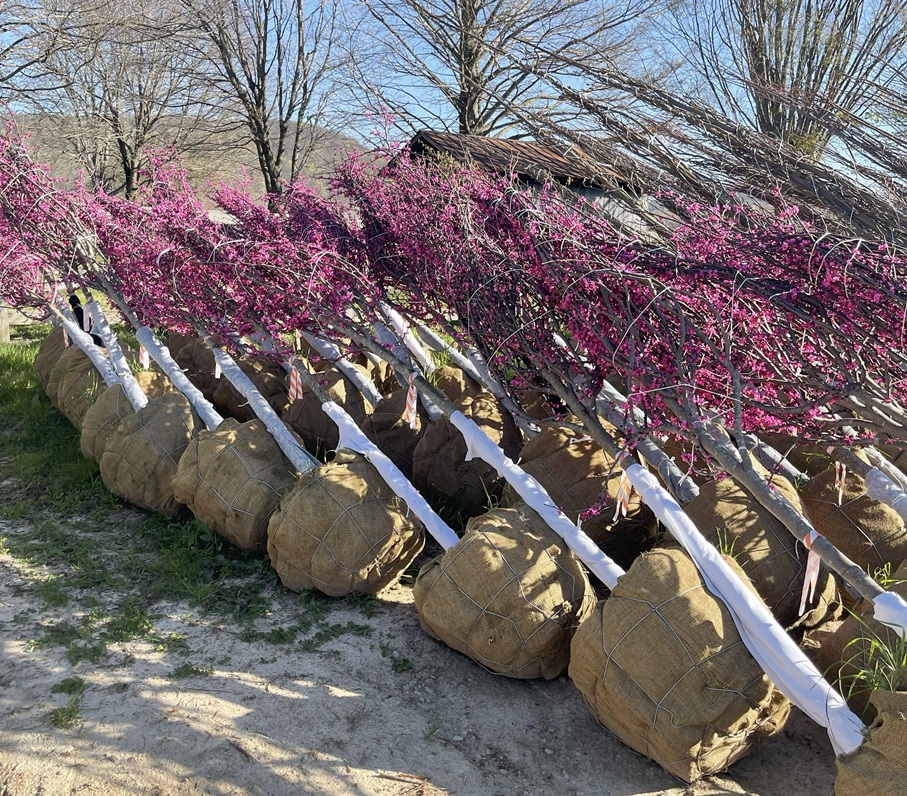
Wholesale buyers get Tennessee field-grown balled-and-burlapped Appalachian redbud at real landscape caliper rather than container whips. Freight is quoted from Cookeville, or pickup is at 3600 Valley View Rd, Cookeville, TN 38506. A truckload can mix this tree with other plants. Call (931) 526-7682 or email sales@cherrycreeknursery.com.

Additional information

Size

Heavy

FAQ

What are the pros and cons of a redbud tree?

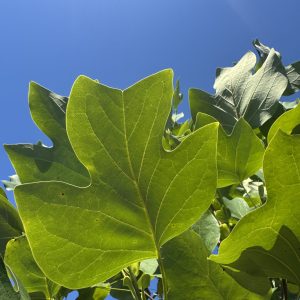
Pros: Few small trees match a redbud in early spring, when clusters of buds open all along the bare branches. On Appalachian Red, deep red-purple buds open to a bright, almost neon pink that catches the eye more than the usual soft lavender-pink. It blooms heavily. Heart-shaped leaves follow and turn yellow in fall, and the dark bark looks glossy black when wet. It is a native tree that takes acid or high-pH soils and moist or dry sites, so it fits almost any landscape. Cons: Leaves can spot or discolor by late summer. The many 2 to 4 in. seed pods can look untidy. It is not easy to transplant, so plant it balled-and-burlapped or from a container while dormant. Stressed trees can decline from canker and Verticillium wilt. It doesn't tolerate waterlogged, flooded or compacted soil, urban air pollution can injure it, and it is a relatively short-lived tree.

How tall does an Appalachian Red redbud grow at maturity?

Expect about 20 ft tall and 25 ft wide. Appalachian Red keeps the species' habit: a small, low-branching tree, often with several stems, and a spreading, flat-topped to rounded crown that ends up wider than it is tall. Leave room for that spread when you place it near a walk or the house.

What are common redbud tree problems?

The biggest threats are canker (especially Botryosphaeria canker) and Verticillium wilt, and both hit stressed trees hardest. Leaf spots, anthracnose, downy mildew, Nectria and root rots also show up. Common insect pests include scale, treehoppers, caterpillars, mites, borers, whiteflies and mealybugs. Late-summer leaf spotting is common and mostly cosmetic. Site problems cause the rest. Redbuds suffer in wet, flooded or compacted soil and are injured by ozone and other air pollutants. Keeping the tree unstressed in a well-drained spot is the best prevention.

What is the lifespan of a redbud tree?

Redbud is a relatively short-lived tree, typically living less than 75 years. Stress shortens that further, because stressed trees are the ones that decline from canker and wilt. A well-drained site and good care help it reach the upper end of its life.

Early Spring: Vibrant red flower display before leaf emergence

Spring: Appalachian Redbud Burgundy new leaf growth

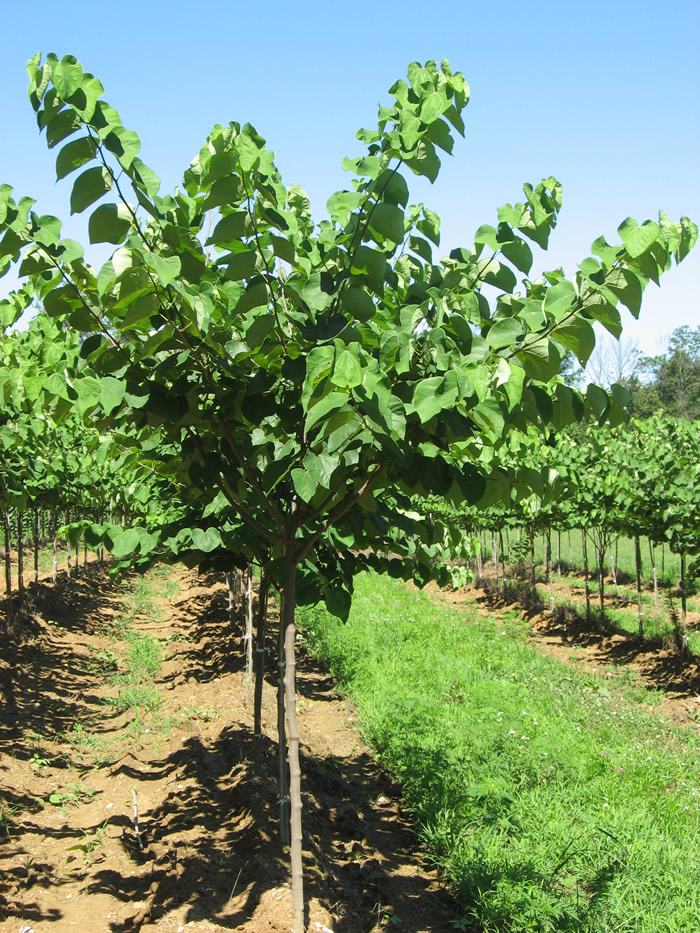
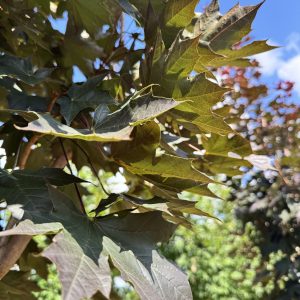
Summer: Green foliage

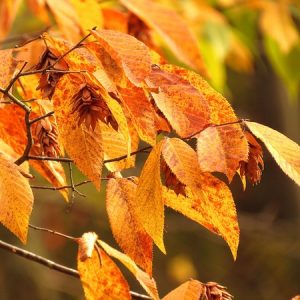
Fall: Yellow foliage color

Scientific Name
Cercis canadensis ‘Appalachian Red’
Mature Height
Mature Width
Growth Rate
Flower Color
Fall Color
Leaf Color
Sun
Soil
Water
Type
Common Name(s)
Appalachian Redbud
Growing Zone(s)
USDA Hardiness Zones 4–9 shown on map