Shagbark Hickory 80′×60′

Carya ovata

$163.00

Available Options

SizePriceQuantity 
2 in B&B$163.00

Shipping Information

Distance (in Miles)
Weight (in LBs)
Calculate

We are located at: 3600 Valley View Rd. | Cookeville, Tennessee 38506

Call for a freight quote. The quote comes from the carriers. 

Enter your order details into our freight calculator to estimate your shipping costs. 

tree-pricing-35000

Description

At a glance

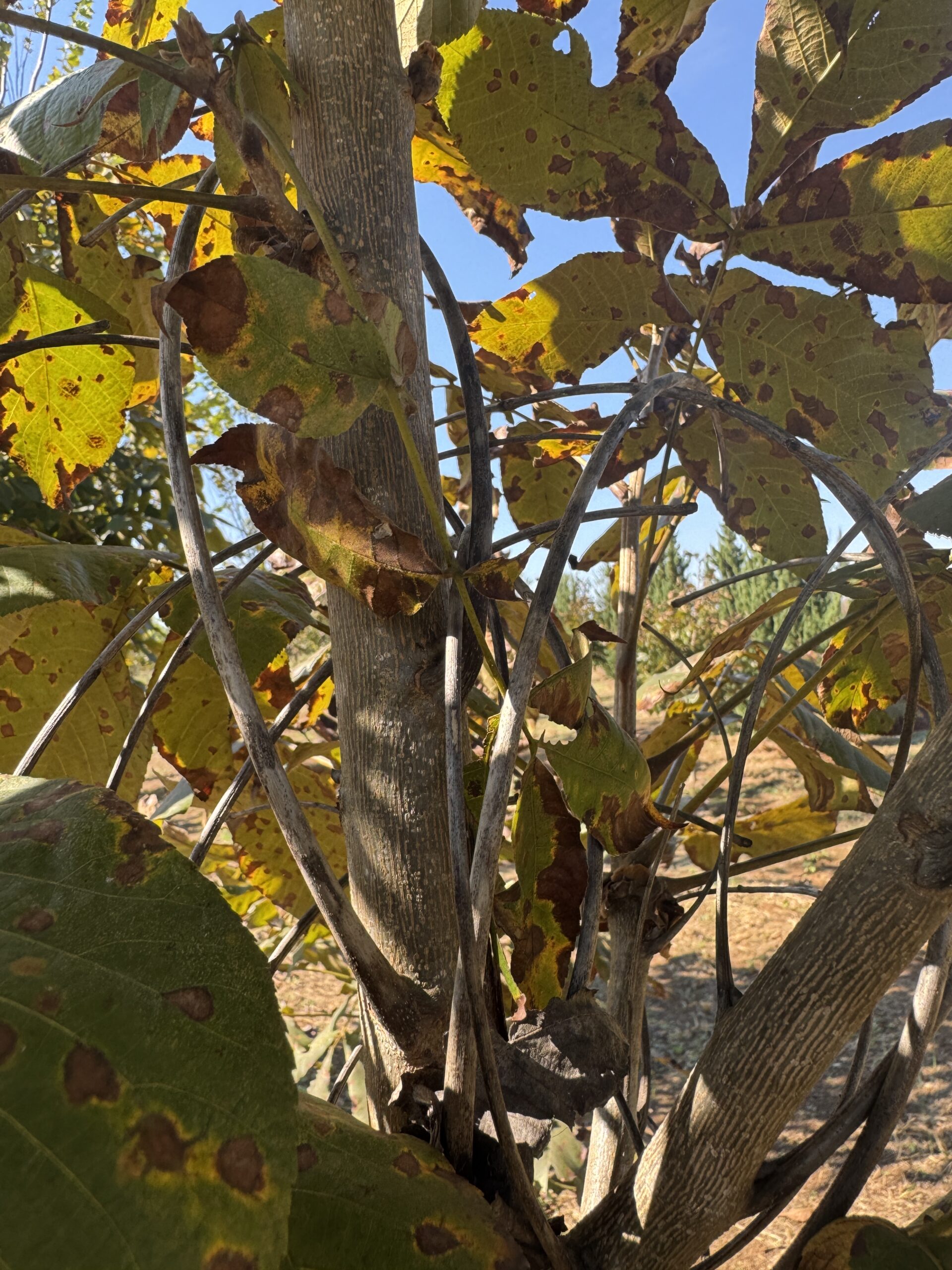
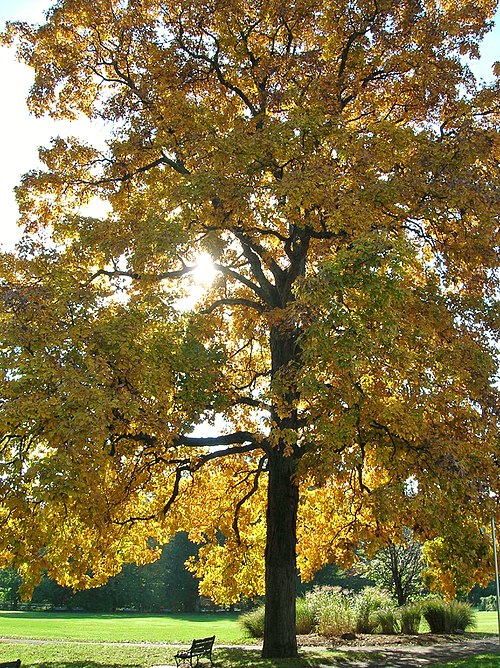
Shagbark hickory is Carya ovata. The size on this page is 70 feet tall and 35 feet wide. Its leaves turn yellow and brown in fall, and it sets fruit. It grows in full sun, in rich, well-drained, loamy, adaptable soil, and it is hardy in USDA zones 4 through 9.

Why plant Shagbark Hickory

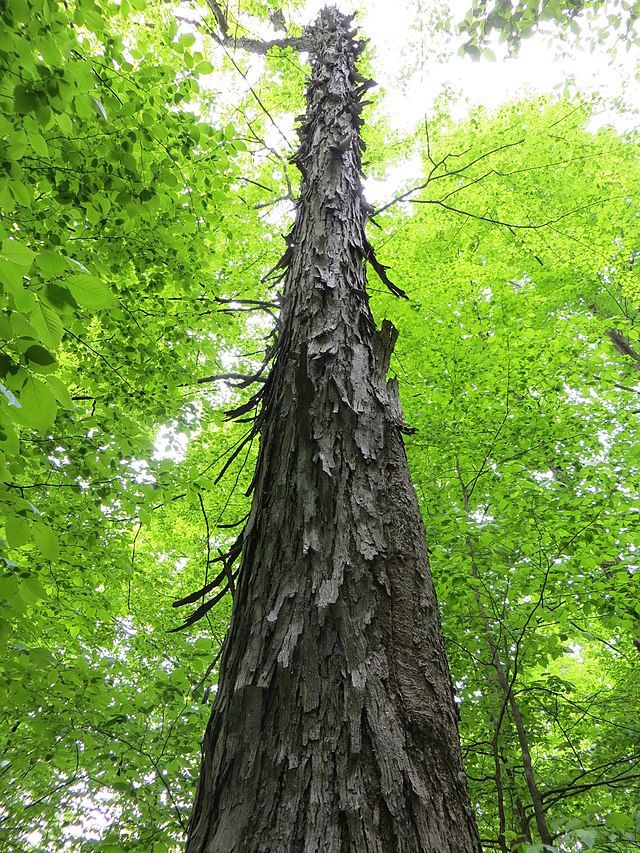
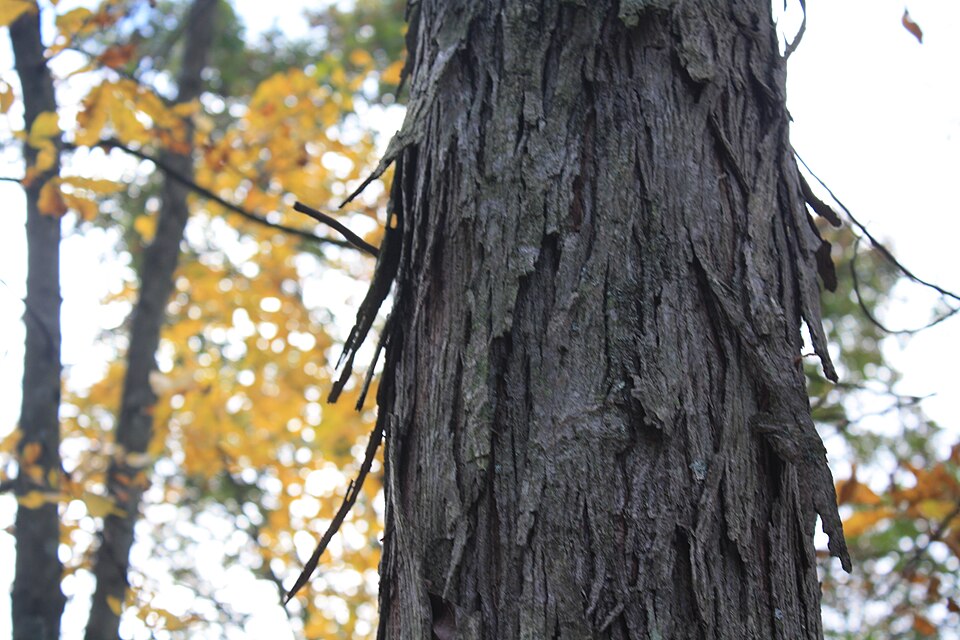
Shagbark is perhaps the most widely recognized of all hickories because of its large, shaggy strips of exfoliating gray bark, carried on a straight, cylindrical trunk. The seed is sweet and edible.

Why Cherry Creek

Wholesale buyers get Tennessee field-grown balled-and-burlapped shagbark hickory at real landscape caliper rather than container whips. Freight is quoted from Cookeville, or pickup is at 3600 Valley View Rd, Cookeville, TN 38506. A truckload can mix this tree with other plants. Call (931) 526-7682 or email sales@cherrycreeknursery.com.

Additional information

Size

Heavy, 2 in B&B, 2.5 in B&B, 3 in B&B

FAQ

Is shagbark hickory a good tree?

Yes. It is perhaps the best-known hickory, with large, shaggy strips of peeling gray bark, a straight trunk, and leaves that turn rich yellow and golden brown in fall. It is extremely adaptable and grows best in rich, well-drained loam in full sun.

Can you eat shagbark hickory tree nuts?

Yes. The seed is sweet and edible.

Are hickory trees good to have in your yard?

For a large yard. It reaches about 70 ft tall and 35 ft wide. It is also a host plant for several butterflies and moths, including the banded hairstreak, luna moth and hickory horned devil.

How many years until a hickory tree produces nuts?

It can take up to 40 years to start producing nuts.

  • Spring: Fresh green foliage emerges, forming an elegant, spreading canopy.
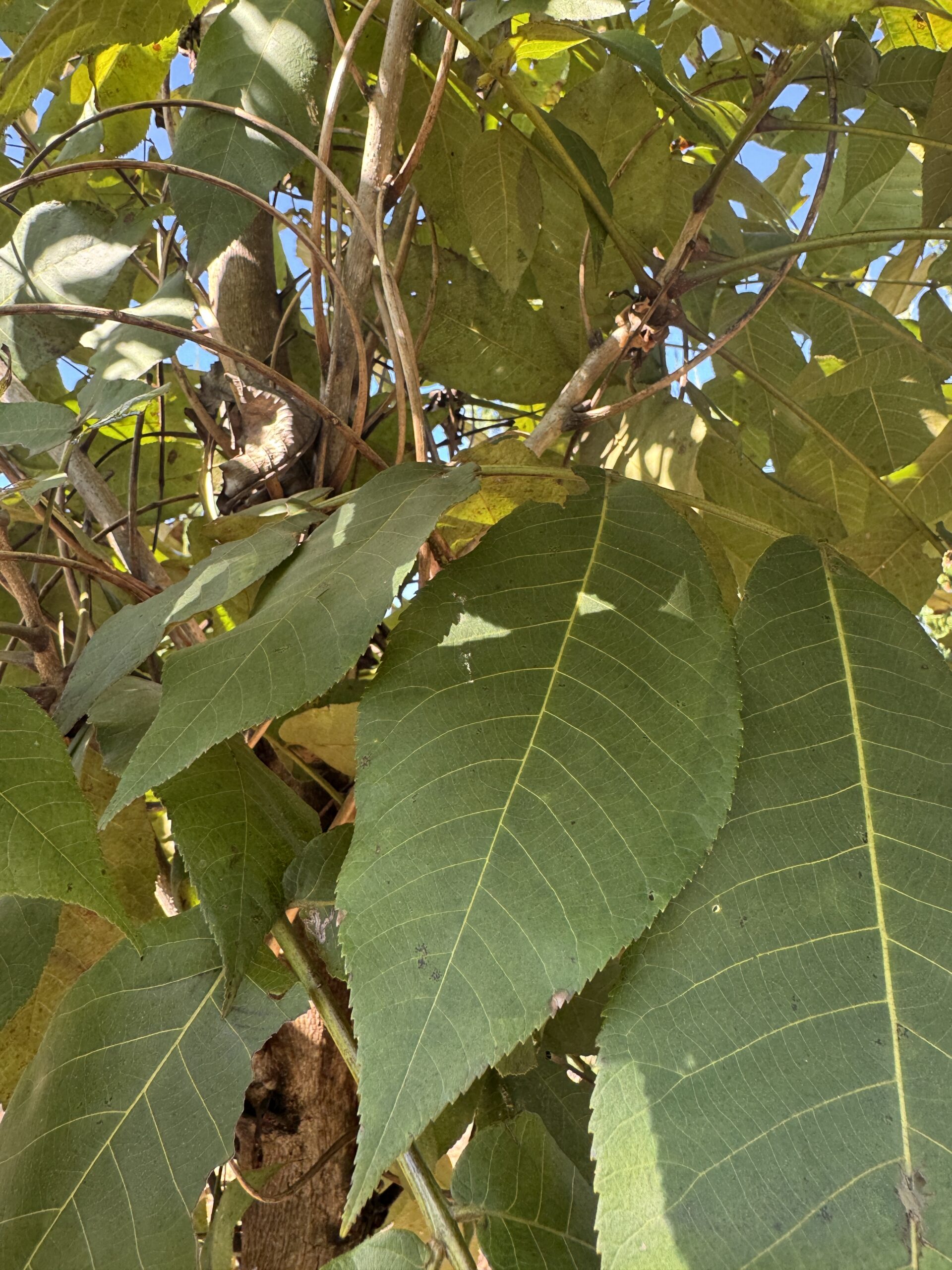
  • Summer: Deep green, compound leaves provide cooling shade and habitat for wildlife.
  • Fall: Leaves turn a rich golden-yellow, creating a warm autumn display.
  • Winter: Shaggy, peeling bark adds texture and visual interest against snowy landscapes.
Scientific Name
Carya ovata
Mature Height
Mature Width
Growth Rate
Fall Color
Leaf Color
Sun
Soil
Water
Type
Characteristics
Common Name(s)
Shagbark Hickory
Growing Zone(s)
USDA Hardiness Zones 4–9 shown on map