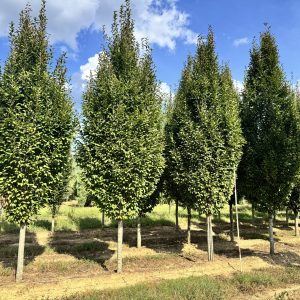
Scientific Name: ULMUS Parvifolia ‘Emerald Vase’ Allee®
Common Name(s): Allee Lacebark Elm
Family: Ulmaceae
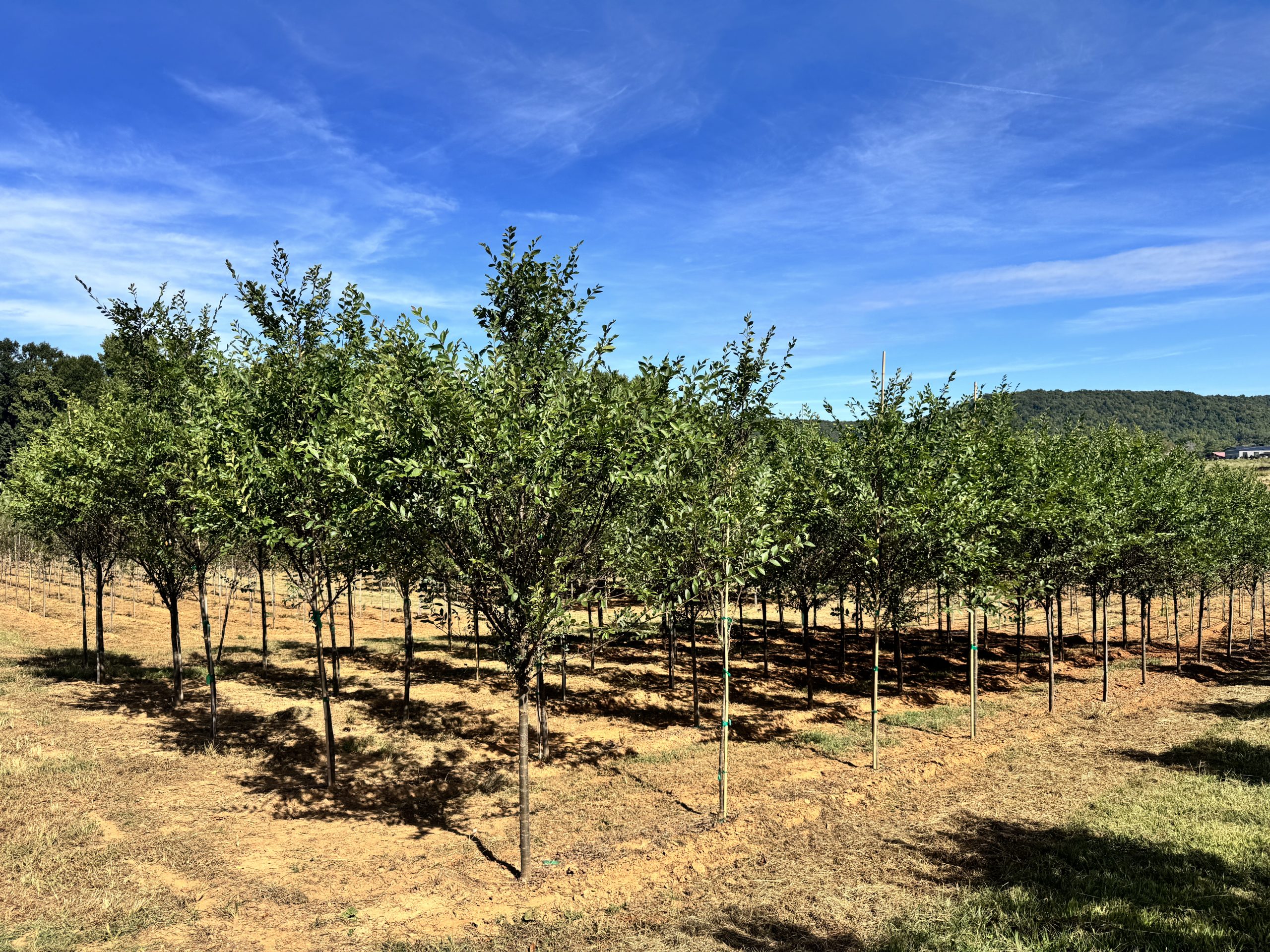
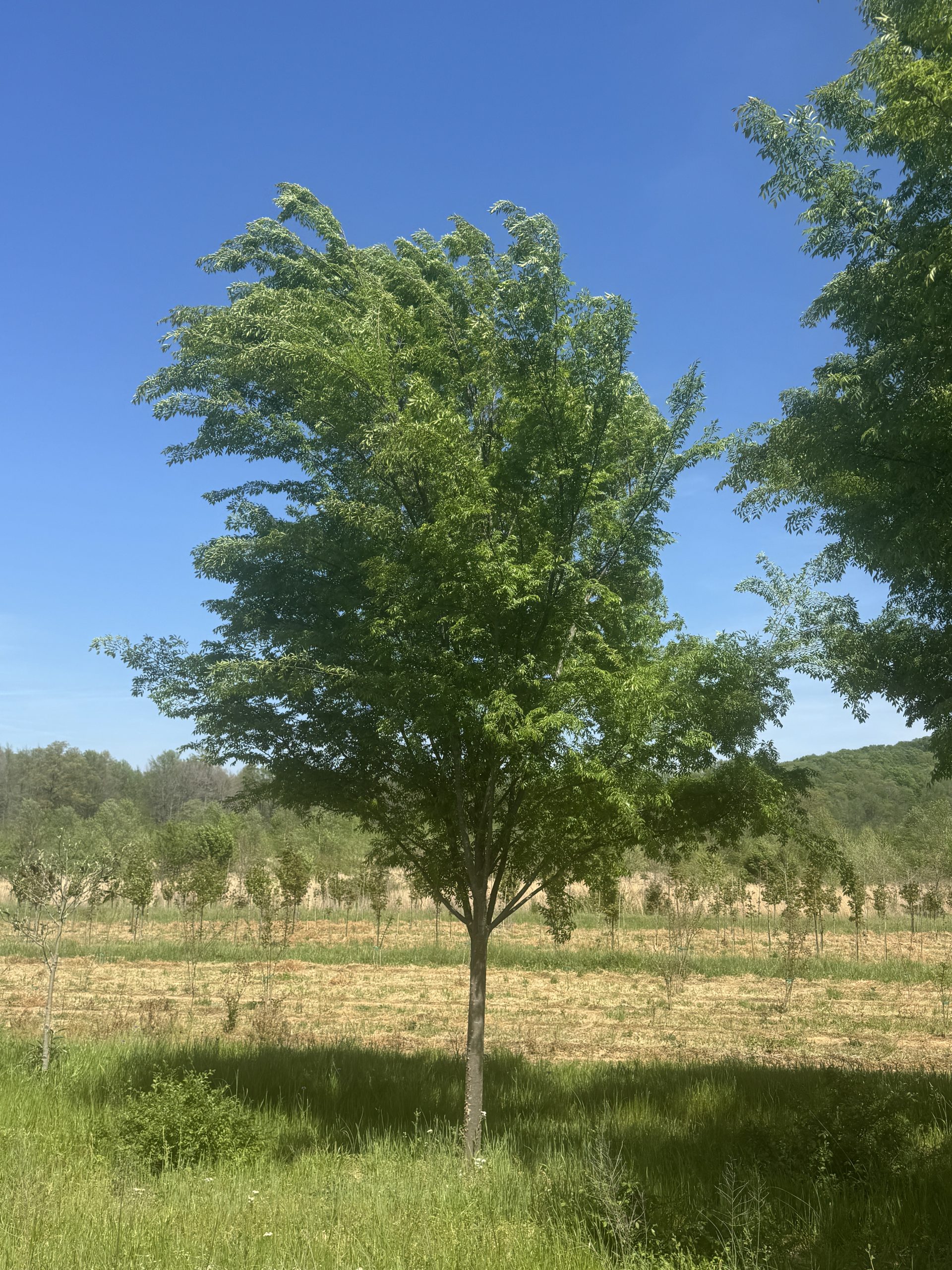
Mature Height: 60-70 feet
Mature Width: 30-50 feet
Growth Rate: Fast USDA
Hardiness Zones: Hardy in Zones 5-9.
Native Range: Native to China, Japan, and Korea.
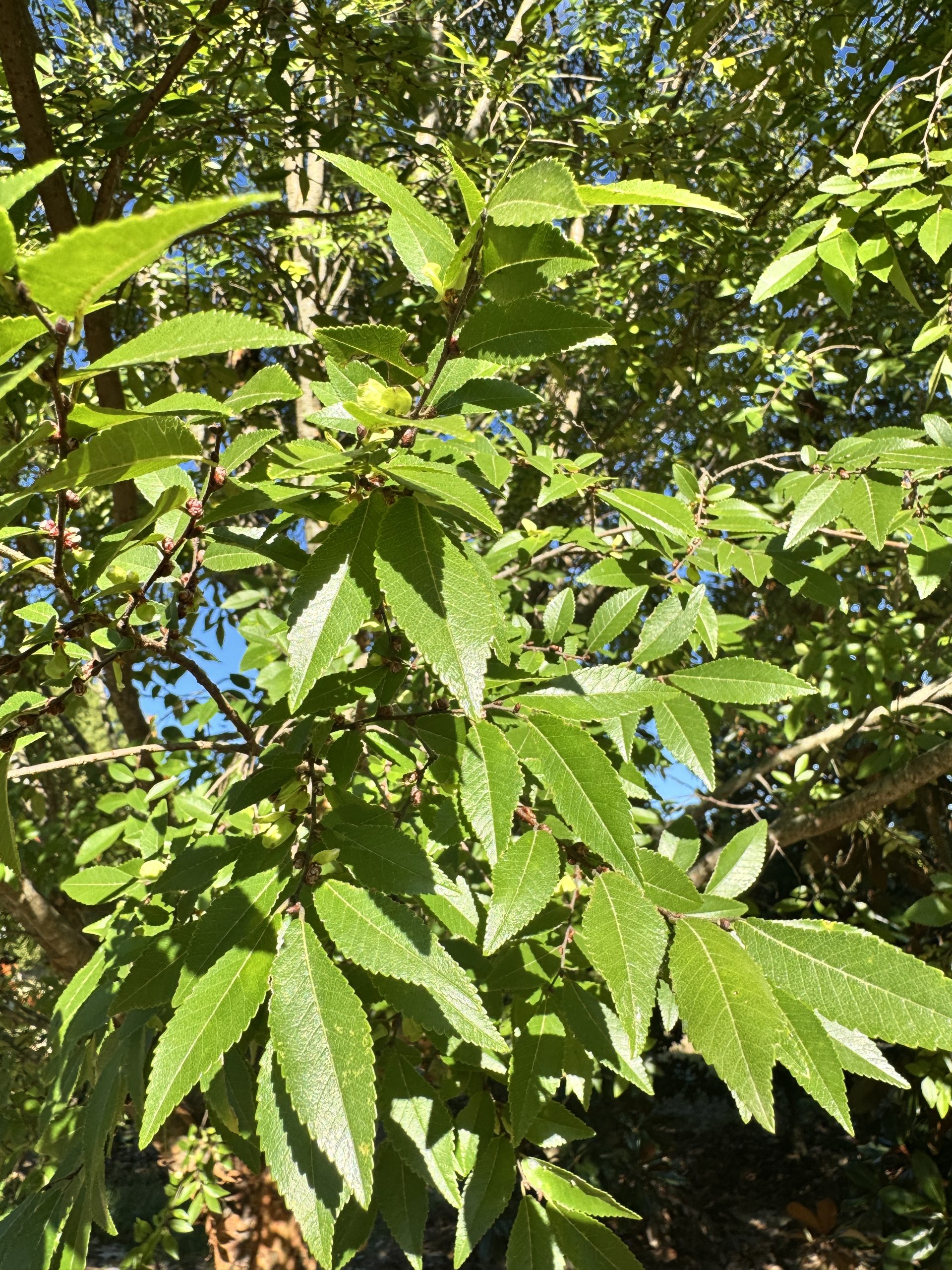
Spring: New leaves emerge, adding vibrant greenery to the landscape.
Summer: Dense foliage provides ample shade and beauty.
Fall: Leaves transition to stunning shades of yellow and reddish-purple, creating a beautiful autumn display.
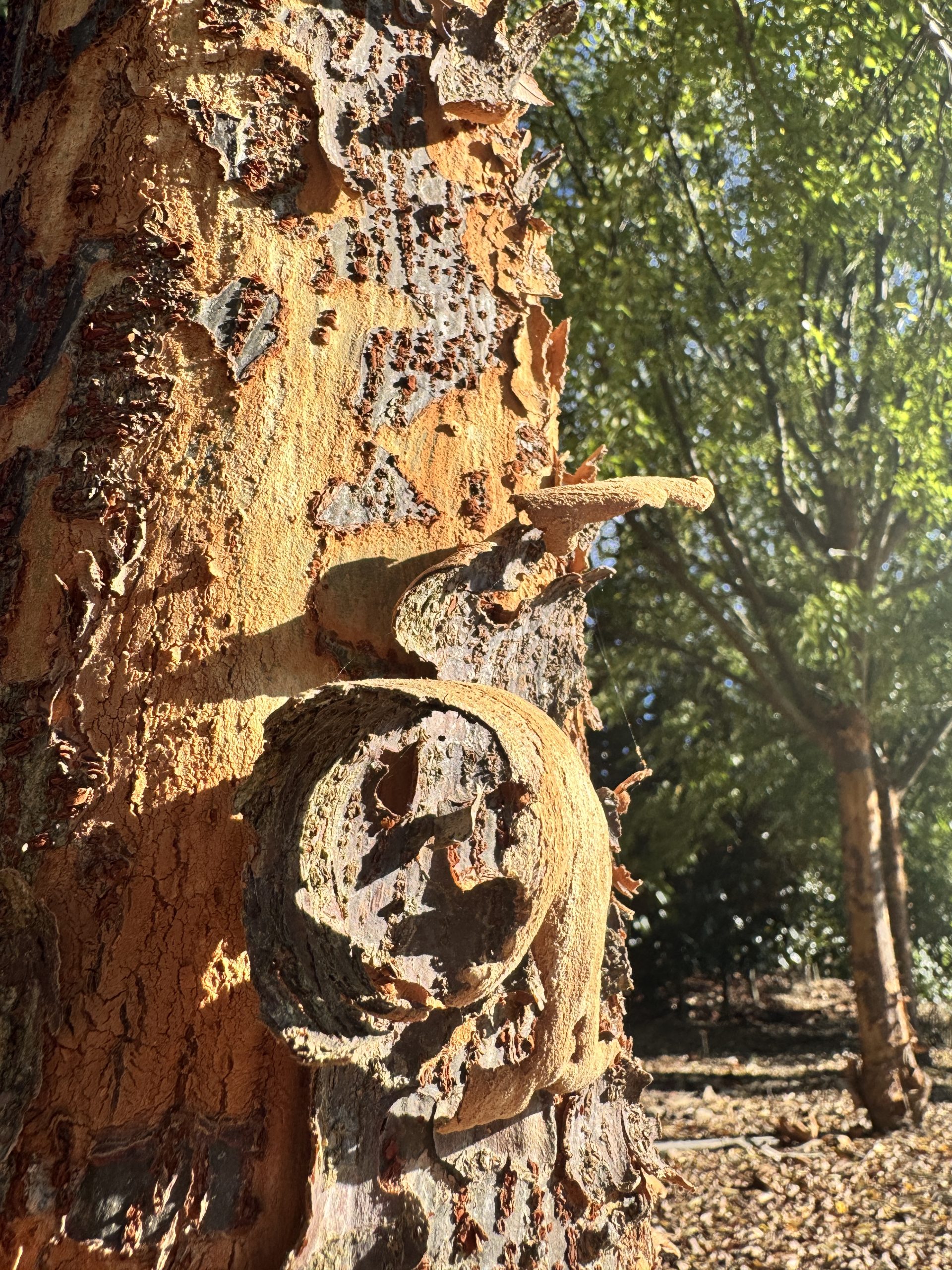
Winter: The tree’s structure and mottled bark provide visual interest during the dormant season.
Light Requirements: Thrives in full sun to partial shade; at least 6 hours of direct sunlight is ideal for optimal growth and health.
Soil Preferences: Adaptable to a variety of soil types, preferring moist, well-drained soil; can tolerate both acidic and slightly alkaline soils.
Watering Needs: Requires consistent moisture during establishment; once established, it is moderately drought-tolerant but benefits from regular watering during dry spells.
Fertilization: Fertilize with a balanced fertilizer in early spring and once in the fall for the first three years to support healthy growth.
Pruning: Best pruned in late winter to early spring to remove dead or diseased branches and maintain shape; light pruning is also beneficial to promote healthy growth.
Winter Care: Apply mulch around the base to help retain moisture and protect roots during colder months.
Shade Tree: Ideal for parks, large gardens, and urban areas, providing significant shade for outdoor activities.
Specimen Tree: A striking choice for focal points in gardens, particularly valued for its unique bark and fall color.
Street Tree: Commonly used in urban settings due to its disease resistance and ability to thrive in compacted soils.