Botanical Name: Tilia americana Common Names: American Linden, American Basswood Plant Type: Deciduous Shade Tree Mature Height: 60-80 feet Mature Width: 30-50 feet Growth Rate: Fast to moderate Sun Exposure: Full sun to partial shade Soil Requirements: Moist, well-drained soil; adaptable to a variety of soil types Drought Tolerance: Moderate Foliage Color: Bright green in summer, yellow in fall Flowers: Small, fragrant, pale yellow flowers in early summer Wildlife Attraction: Excellent for bees, butterflies, and birds Uses: Shade tree, urban landscapes, pollinator gardens, large residential spaces
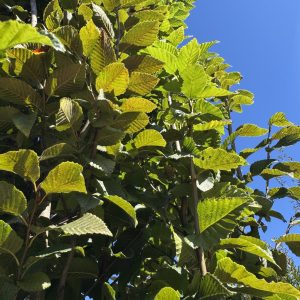
Spring: Large, heart-shaped green leaves emerge, forming a lush canopy. Summer: Fragrant clusters of yellowish-white flowers bloom, attracting bees and pollinators. Fall: Foliage turns a soft golden-yellow, adding warmth to the autumn landscape. Winter: Gray-brown bark provides subtle texture and interest in bare landscapes.
The American Linden is an easy-to-grow, low-maintenance tree that thrives in various conditions. Sunlight: Grows best in full sun to partial shade. Soil: Prefers moist, well-drained soil but tolerates different soil types. Watering: Water regularly during establishment; becomes moderately drought-tolerant over time. Fertilization: Apply a balanced fertilizer in early spring for optimal growth. Pruning: Minimal pruning required; remove dead or weak branches in late winter or early spring. Pest/Disease Resistance: Generally disease-resistant, but watch for aphids, Japanese beetles, and scale insects.
The American Linden is a versatile and stately shade tree that enhances large landscapes, parks, boulevards, and residential properties. With its broad, symmetrical canopy, it provides deep, cooling shade in summer, making it a top choice for yards, patios, and sidewalks. The tree’s fragrant blooms and pollinator-friendly nectar make it a key addition to wildlife gardens, beekeeping areas, and naturalized spaces.Its adaptability to urban conditions makes it well-suited for city streets and large-scale plantings, while its elegant shape and seasonal beauty ensure it stands out as a specimen tree. Whether planted as a single focal point or in rows for windbreaks and shade, the American Linden is a classic and enduring choice for any landscape.