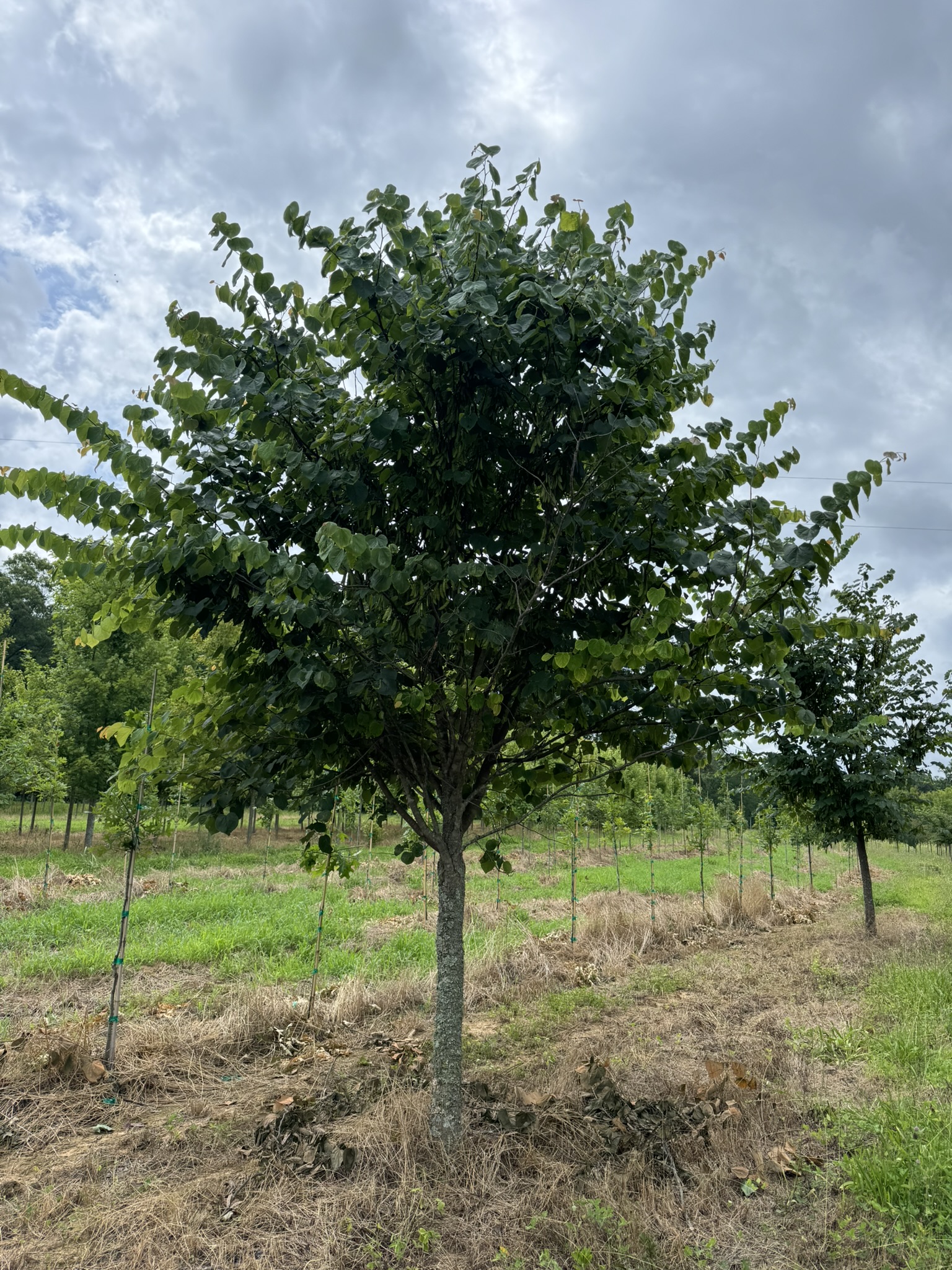
Eastern Redbud 25′×30′

CERCIS canadensis

Price range: $151.00 through $254.00

Available Options

SizePriceQuantity 
2 in B&B$151.00
2.5 in B&B$211.00
3 in B&B$254.00

Shipping Information

Distance (in Miles)
Weight (in LBs)
Calculate

We are located at: 3600 Valley View Rd. | Cookeville, Tennessee 38506

Call for a freight quote. The quote comes from the carriers. 

Enter your order details into our freight calculator to estimate your shipping costs. 

tree-pricing-35000

Description

At a glance

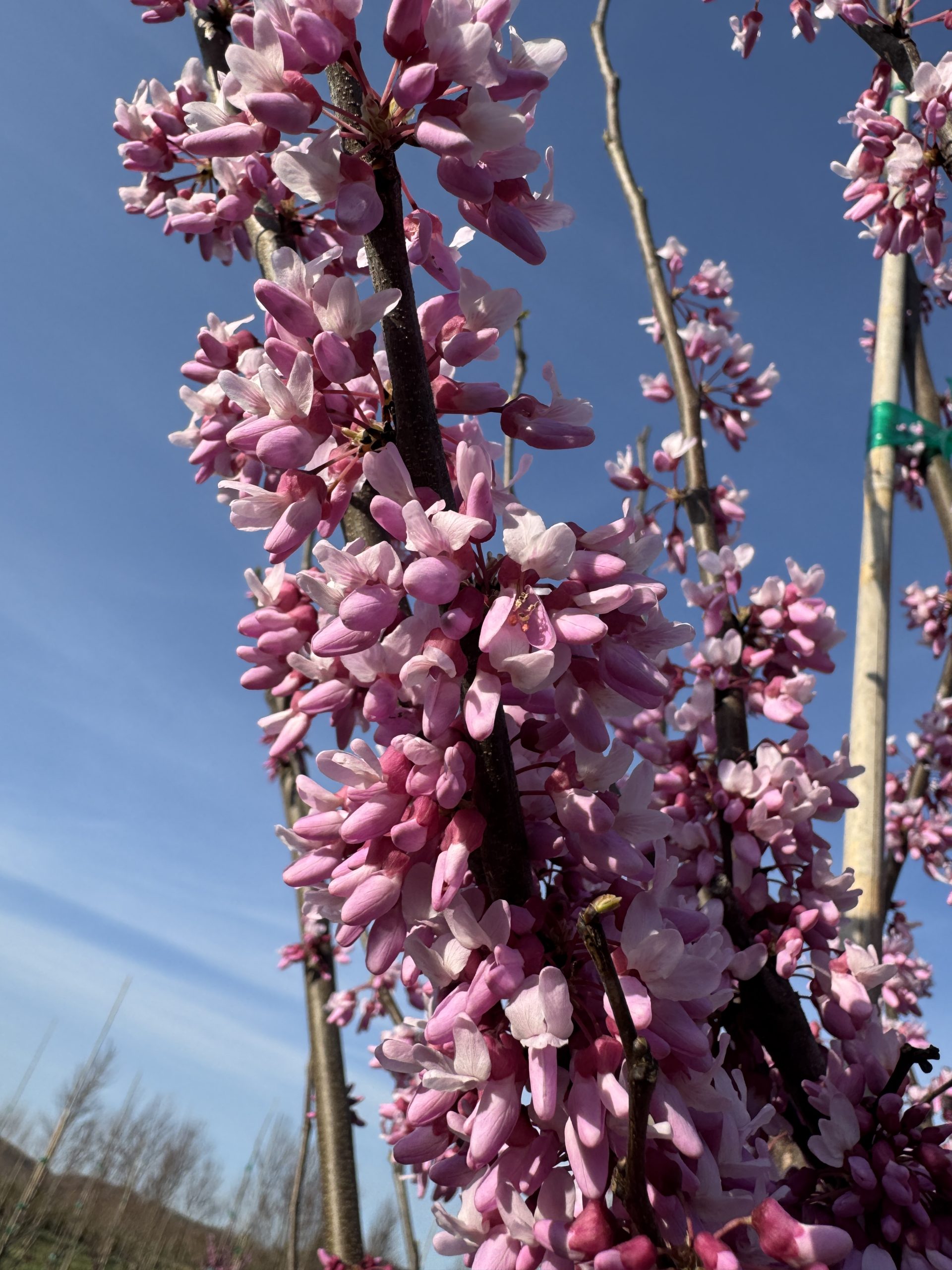
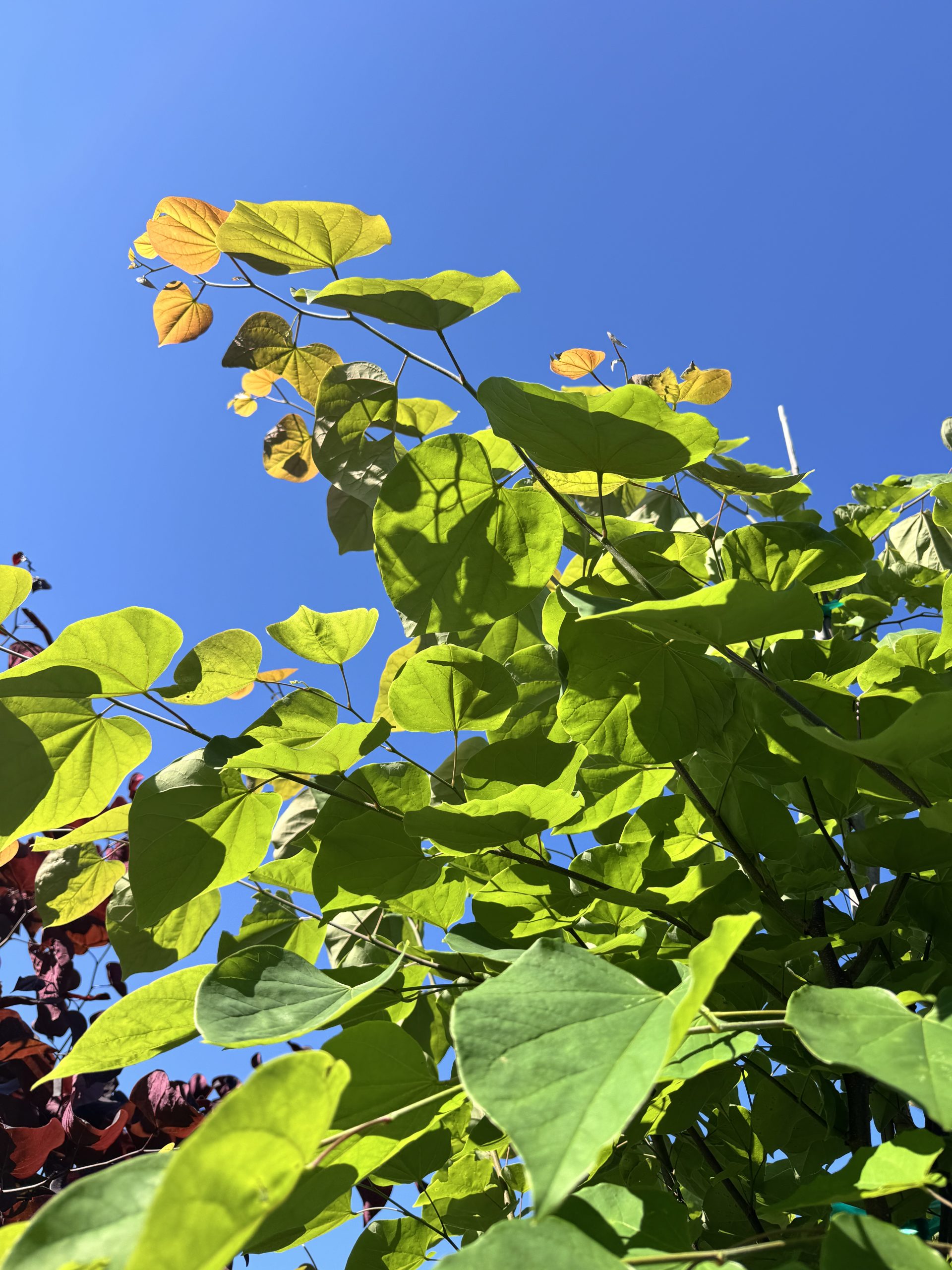
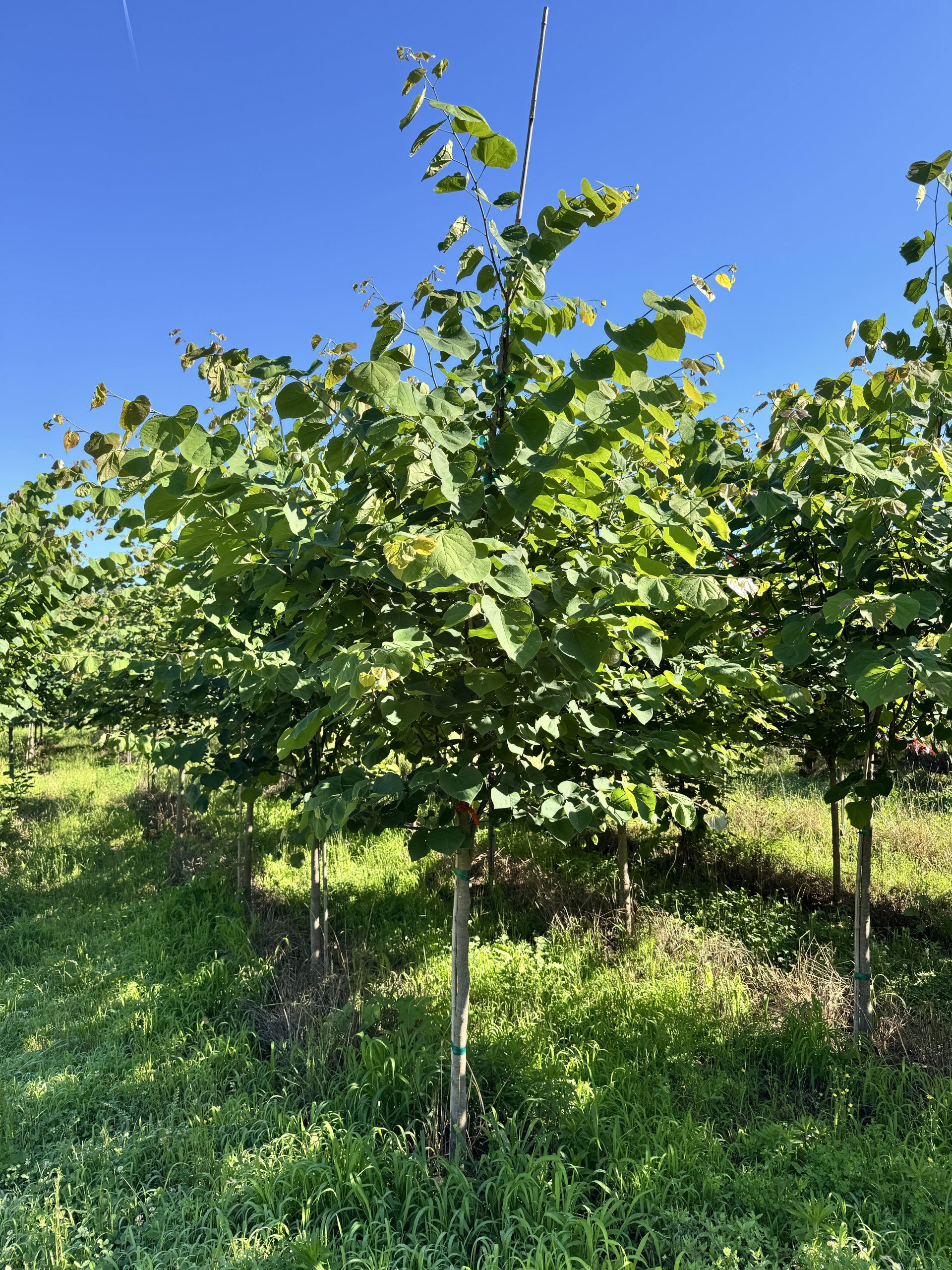
Eastern redbud is a native treasure of the March-April landscape, when clustered magenta buds unfold into a blanket of rosy pink on bare branches. Waxy, bronzy to reddish purple new leaves follow, turn dark bluish green and may show yellow in fall. It is a small, low-branching tree, adaptable to acid or high pH, moist or dry soils. Mature size: 25′×30′.

Why plant Eastern Redbud

In spring, clustered magenta buds unfold into a blanket of rosy pink along the winter-bare branches. Eastern redbud is a fine choice for naturalized garden areas and woodland edges.

Why Cherry Creek

Wholesale buyers get Tennessee field-grown balled-and-burlapped Eastern redbud at real landscape caliper rather than container whips. Freight is quoted from Cookeville, or pickup is at 3600 Valley View Rd, Cookeville, TN 38506. A truckload can mix this tree with other plants. Call (931) 526-7682 or email sales@cherrycreeknursery.com.

Additional information

Size

Heavy

FAQ

What are the pros and cons of a redbud tree?

Pros: clusters of rosy-pink blooms on bare branches, and it adapts to acid or high-pH, moist or dry soils. Cons: it is not easy to transplant, so move it from a container or balled and burlapped.

Where is the best place to plant Eastern Redbud?

Plant it in full sun to part shade. It also works as an understory tree in a wooded landscape or as a specimen.

What problems do eastern redbud trees have?

Under stress, redbuds can decline from botryosphaeria canker and verticillium wilt. Borers can also attack.

What time of year should you plant a Redbud tree?

Spring is best.

  • Spring: Spectacular pink or purple flower display
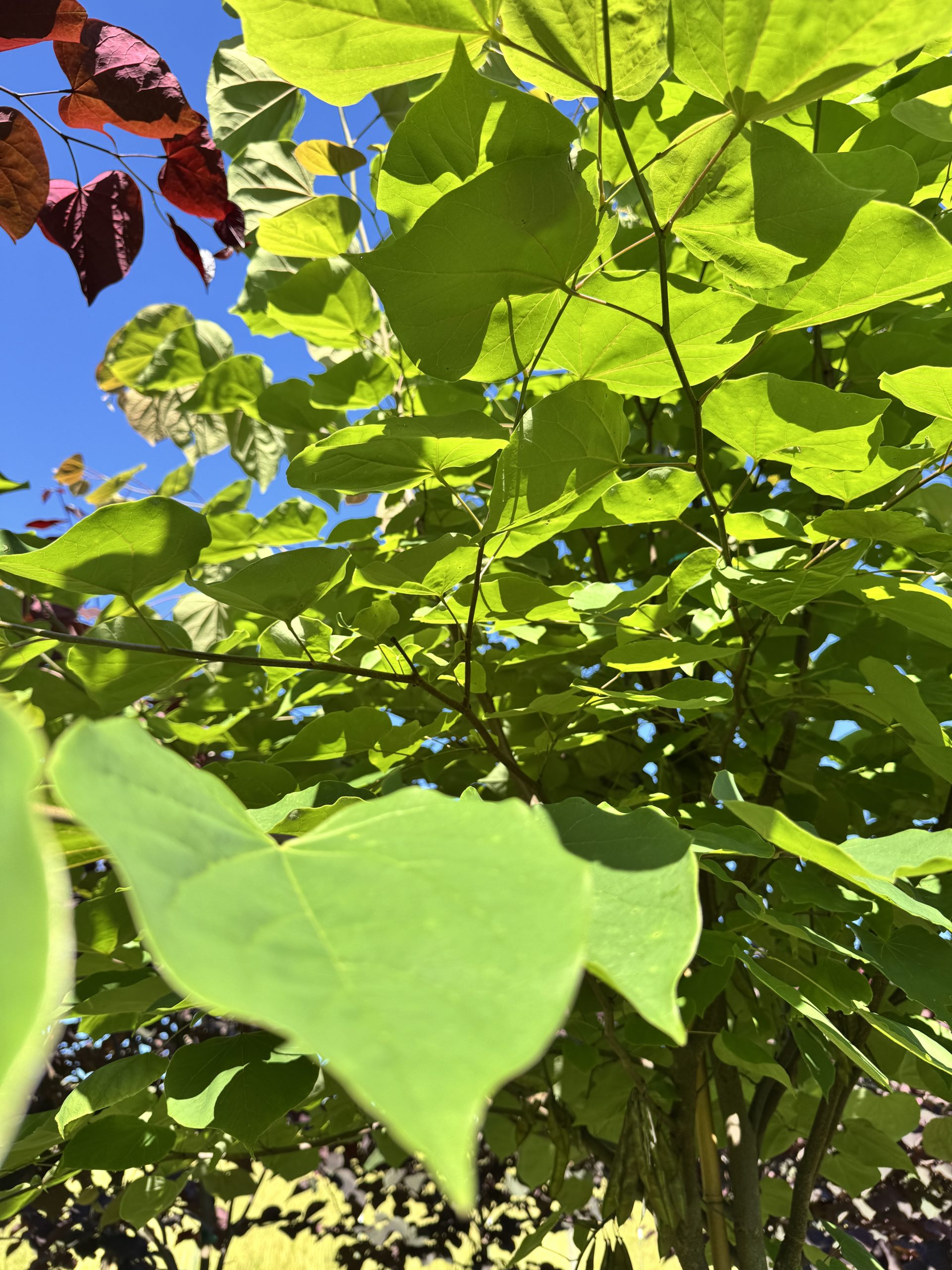
  • Summer: Heart-shaped green leaves
  • Fall: Bright yellow foliage and persistent seed pods
  • Winter: Interesting bark texture and pod display
Scientific Name
CERCIS canadensis
Mature Height
Mature Width
Growth Rate
Flower Color
Fall Color
Leaf Color
Sun
Soil
Water
Type
Characteristics
Common Name(s)
Eastern Redbud
Growing Zone(s)
USDA Hardiness Zones 4–9 shown on map