Princeton American Elm 65′×50′

Ulmus americana 'Princeton'

Price range: $157.00 through $650.00

Available Options

SizePriceQuantity 
2 in B&B$157.00
2.5 in B&B$182.00
3 in B&B$211.00
3.5 in B&B$249.00
4 in B&B$302.00
4.5 in B&B$410.00
5 in B&B$530.00
6 in B&B$650.00

Shipping Information

Distance (in Miles)
Weight (in LBs)
Calculate

We are located at: 3600 Valley View Rd. | Cookeville, Tennessee 38506

Call for a freight quote. The quote comes from the carriers. 

Enter your order details into our freight calculator to estimate your shipping costs. 

tree-pricing-35000

Description

At a glance

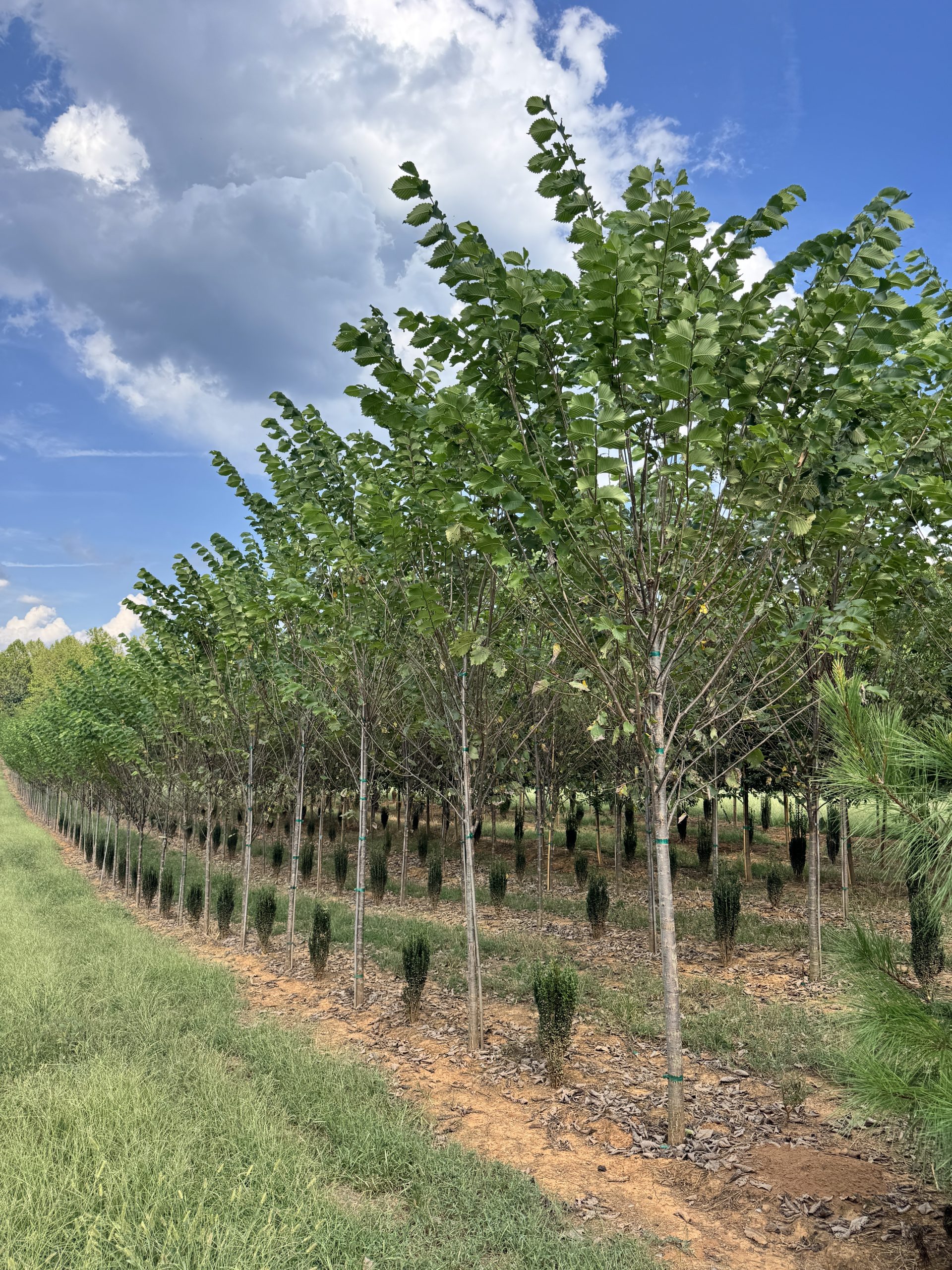
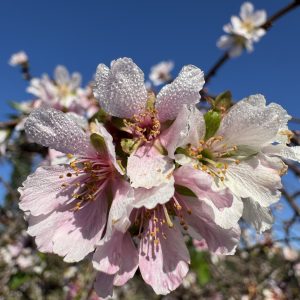
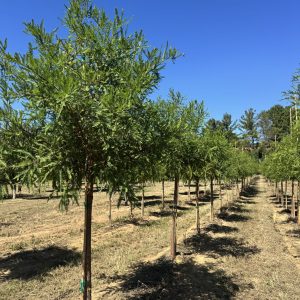
Princeton American elm is Ulmus americana ‘Princeton’. The size on this page is 65 feet tall and 50 feet wide. Its leaves are green and turn yellow in fall. Flowers are green. It takes full sun and is hardy in USDA zones 4 through 9.

Why plant Princeton American Elm

National Arboretum research ranks Princeton at the top for disease tolerance, equal to Valley Forge. It is a fast-growing elm that tolerates many adverse site conditions, including road salt, wet sites and occasional flooding. Its flaking bark and upright branches give it winter appeal.

Why Cherry Creek

Wholesale buyers get Tennessee field-grown balled-and-burlapped Princeton American elm, at real landscape caliper rather than container whips. Freight is quoted from Cookeville, or pickup is at 3600 Valley View Rd, Cookeville, TN 38506. A truckload can mix this tree with other plants. Call (931) 526-7682 or email sales@cherrycreeknursery.com.

Additional information

Size

Heavy

FAQ

Is Princeton Elm a good tree?

Princeton ranks among the best of the American elm selections resistant to Dutch elm disease, and it is one of the two most available in commerce. It was introduced in 1922 by a New Jersey nursery and has proven tolerant of Dutch elm disease. Even the resistant American elms should still be planted with caution, because the fungus has mutated to a more virulent strain before and may do so again.

How big do Princeton elms get?

About 65 ft tall and 50 ft wide. Princeton is a tall, native, vase-shaped tree with a broad rounded crown.

What are the pros and cons of growing an American elm tree?

American elm is a fantastic, majestic, almost-perfect native tree. Its upright-spreading outline lets boulevard plantings meet in cathedral-like archways, and its dark green leaves turn butter-yellow to rich yellow in fall. Elms are also very easy to transplant and withstand extremes of soil and pH. The overwhelming con is Dutch elm disease, which stripped cities and towns of the tree: the species itself is hard to recommend, and the newer resistant selections are best planted cautiously.

What are the common problems that Princeton Elm trees are prone to?

Princeton was chosen for Dutch elm disease resistance, but elms are still susceptible to phloem necrosis and wetwood, plus wilts, rots, canker, leaf spots, and pests such as miners, borers, and scale. The roots can lift sidewalks, dropped seeds make a mess, and the weak wood can break in ice or wind storms. Pruning is required to remove acute limb unions and co-dominant leaders. American elm is also the primary host of the woolly apple aphid, which causes rosettes of rolled, twisted leaves at the shoot tips.

  • Spring: New leaves emerge, creating a fresh green canopy, and small flowers bloom.
  • Summer: Dense foliage provides shade and a lush backdrop.
  • Fall: Leaves turn bright yellow, adding vibrant color to the landscape.
  • Winter: The tree’s strong structure and bark provide interest during the dormant season.

Scientific Name
Ulmus americana ‘Princeton’
Mature Height
Mature Width
Growth Rate
Fall Color
Leaf Color
Sun
Soil
Water
Type
Common Name(s)
Princeton American Elm
Growing Zone(s)
USDA Hardiness Zones 4–9 shown on map