Description
Super Princess Dogwood (Cornus ‘Super Princess’): A Beautiful and Resilient Ornamental Tree
Key Features:
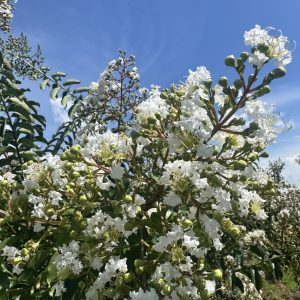
- Large Showy Flowers: Produces stunning clusters of large white flowers in early spring, creating a spectacular display.
- Vibrant Fall Color: Leaves transition from medium to dark green in summer to consistent shades of red and reddish-purple in fall, providing seasonal interest.
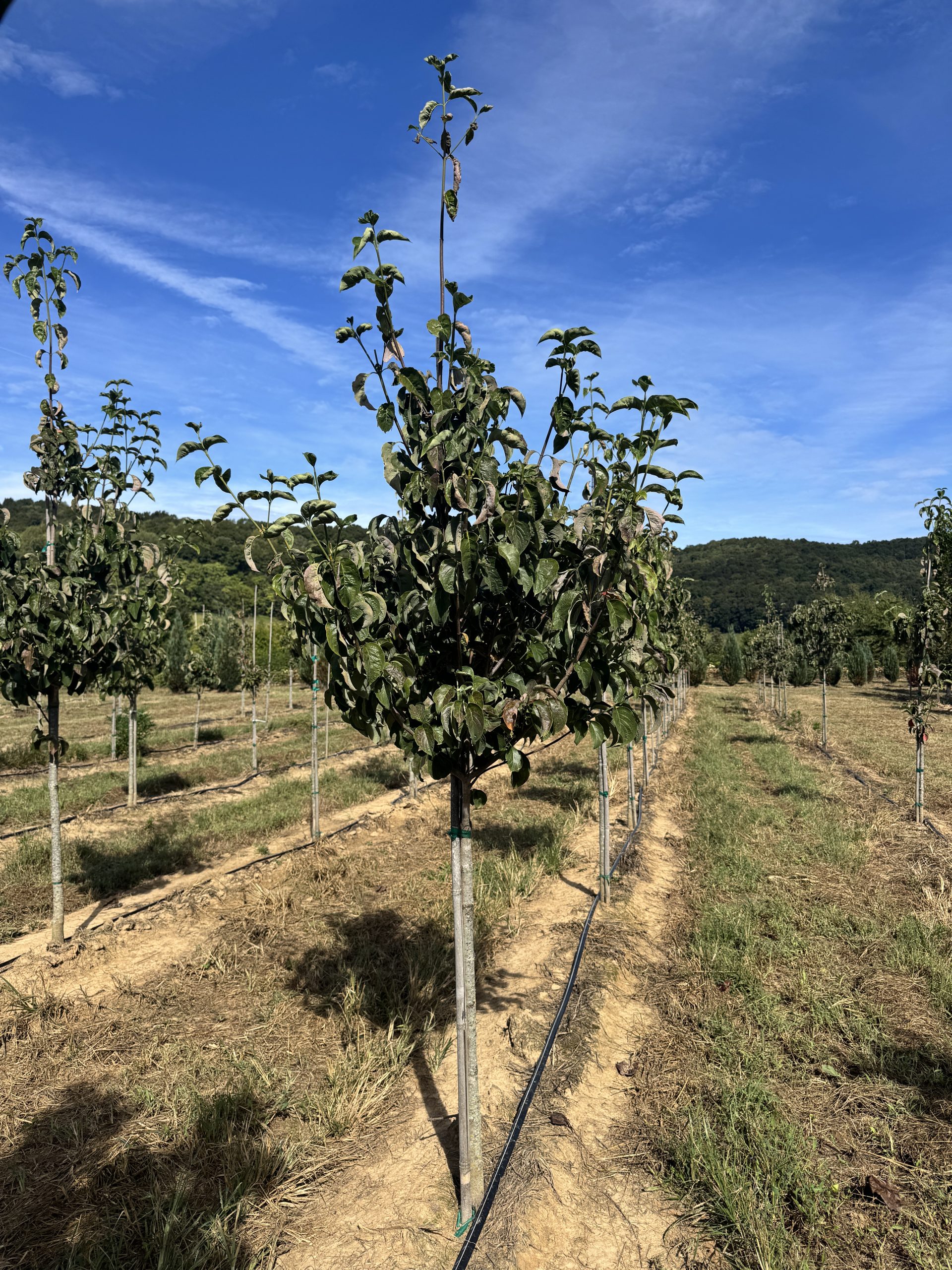
- Compact Growth Habit: Features a small, low-branched form with horizontally spreading branches, making it suitable for smaller gardens and urban landscapes.
Specifications:
- Scientific Name: Cornus ‘Super Princess’
- Common Name(s): Super Princess Dogwood
- Family: Cornaceae
- Mature Size: Typically grows to 20-30 feet tall and 10-20 feet wide.
- Growth Rate: Moderate growth rate.
- USDA Hardiness Zones: Hardy in Zones 5-9.
- Native Range: A cultivated variety derived from native dogwood species.
Detailed Characteristics:
- Growth Habit: The tree has a layered effect with a flat-topped crown, providing a well-structured silhouette in the landscape.
- Foliage: Features glossy, medium to dark green leaves that add richness to the garden, turning vibrant colors in the fall.
- Flowers: Produces large, fragrant white flowers in early spring that attract pollinators like bees and butterflies.
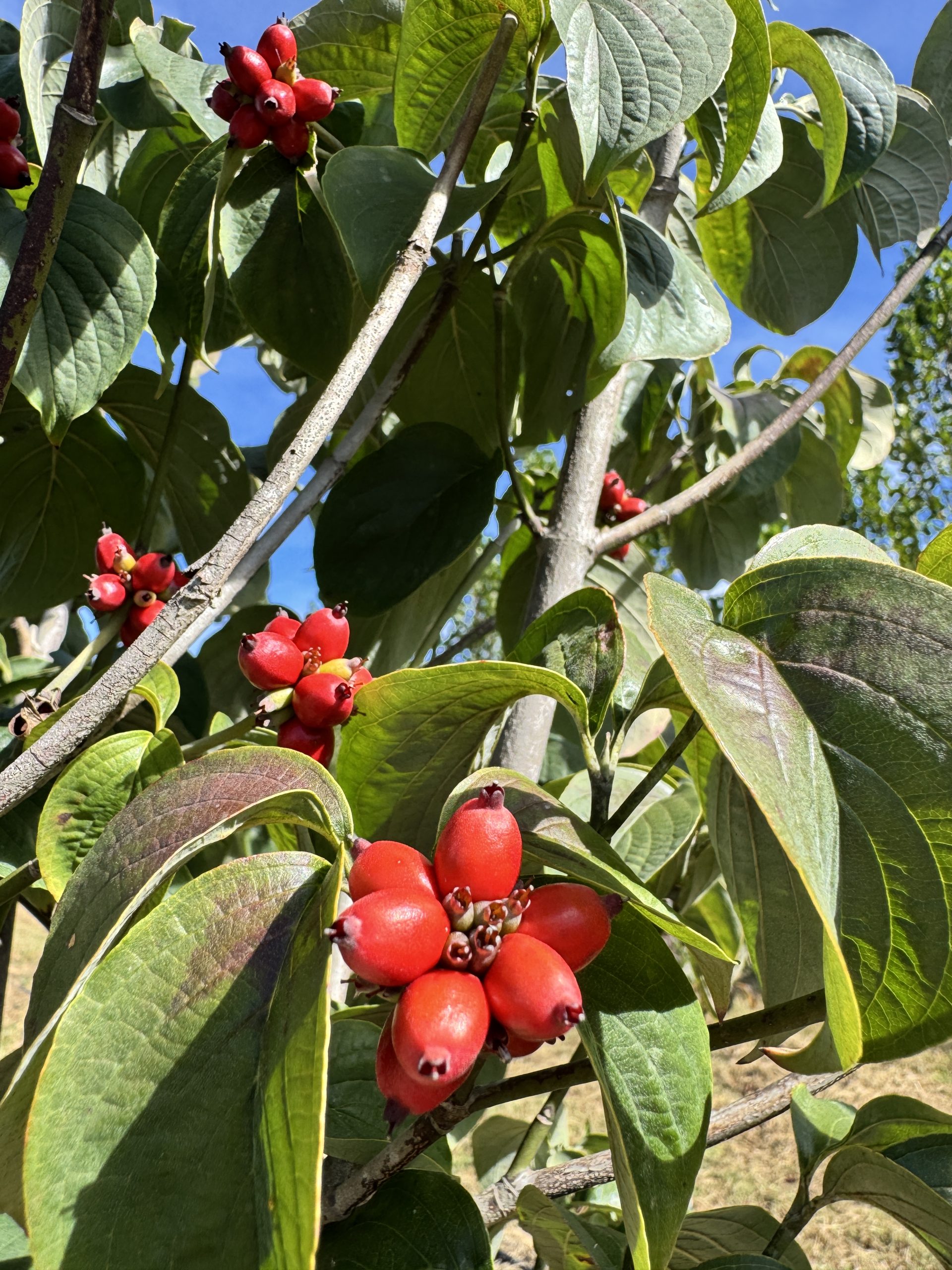
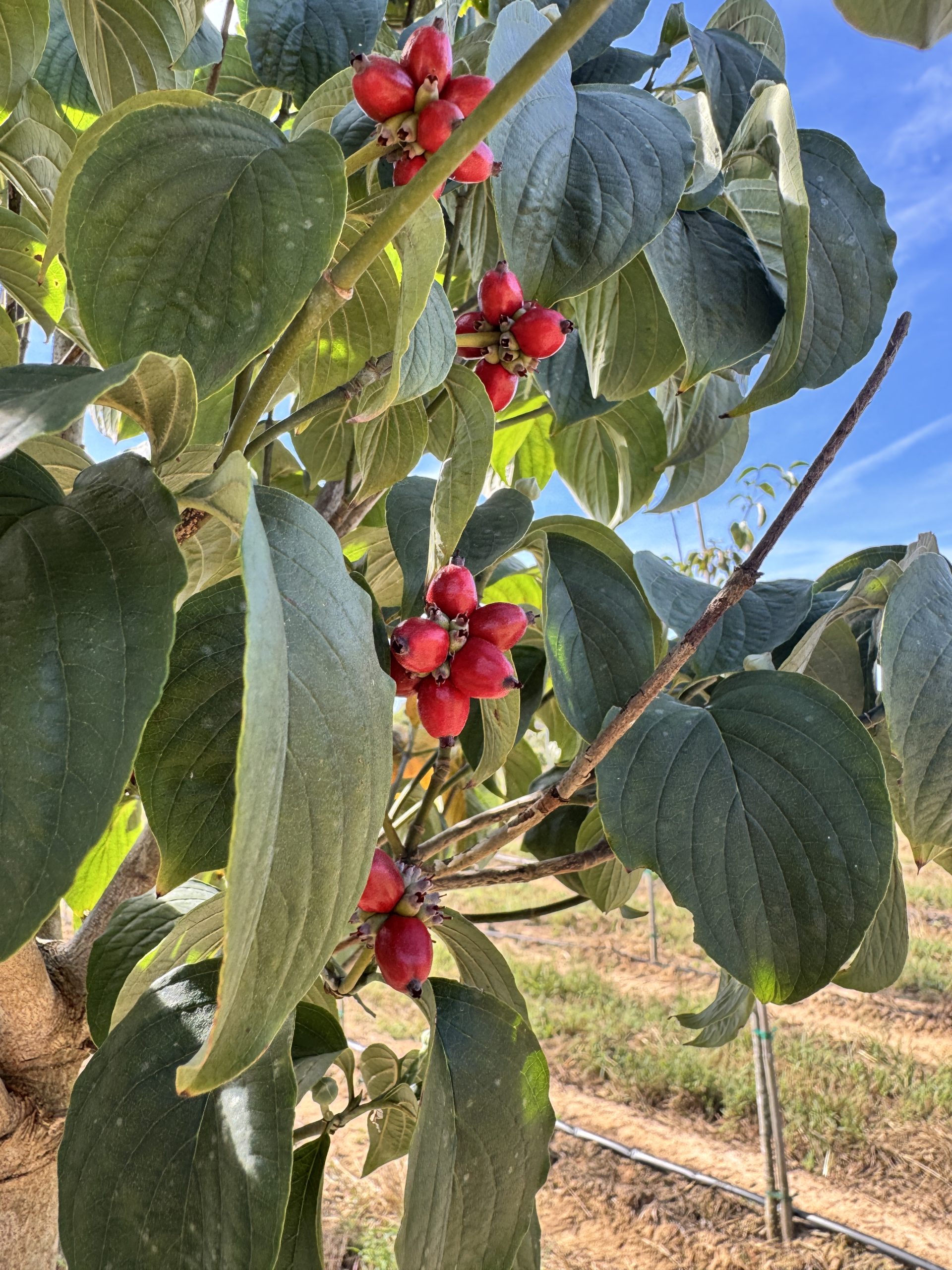
- Fruit/Seeds: Produces small, berry-like fruits that can attract birds but are not typically significant in ornamental value.
- Bark/Stem: The bark is smooth and gray-brown, providing subtle texture and interest year-round.
- Root System: Features a fibrous root system that establishes well in various soil conditions.
Care Instructions:
- Light Requirements: Prefers partial sun, especially in southern regions; at least 4-6 hours of direct sunlight is ideal for optimal growth and flowering.
- Soil Preferences: Adapts well to most soil types, including average, moist, and well-drained soils; prefers slightly acidic conditions (low pH).
- Watering Needs: Requires consistent moisture, particularly during establishment; keep the soil slightly moist but avoid waterlogged conditions.
- Fertilization: Fertilize once a year with a slow-release fertilizer to support healthy growth and flowering; spring is the ideal time for application.
- Pruning: Light pruning can help maintain shape and remove any dead or diseased branches; best done after flowering in late spring.
- Winter Care: Mulch around the base helps retain moisture and protect roots during colder months.
Landscaping Uses:
- Specimen Tree: Ideal for planting as a focal point in gardens, showcasing its stunning flowers and unique form.
- Hedges and Borders: Effective for creating low hedges or borders, providing privacy and visual interest.
- Foundation Planting: Suitable for planting around buildings, softening hardscapes and providing greenery.
Seasonal Interest:
- Spring: Gorgeous blooms appear, creating a colorful and fragrant display.
- Summer: Lush green foliage offers shade and visual appeal.
- Fall: Leaves turn to vibrant shades of red and purple, enhancing the autumn landscape.
- Winter: The tree’s structure and smooth bark provide interest during the dormant season.
Environmental Benefits:
- Wildlife Support: Attracts pollinators with its flowers and provides habitat for birds with its fruits, enhancing local biodiversity.
- Air Quality Improvement: Contributes to improved air quality by filtering pollutants.
Propagation Methods:
- Typically propagated by grafting or cuttings, which root well if taken in late spring or early summer.
Cultivars and Varieties:
- ‘Cherokee Brave’: A similar variety known for its red flowers and striking fall color.
- ‘Kousa’: Another popular dogwood with unique flowering characteristics.
Historical and Cultural Significance:
- Dogwood trees have been celebrated for their beauty and have significant cultural importance in various traditions.
Potential Considerations:
- Pest and Disease Resistance: Generally resistant to major pests and diseases, but can be susceptible to issues like leaf spots; regular monitoring is advisable.
- Maintenance Needs: Moderate maintenance, particularly in shaping and monitoring for pests.
E-commerce and Marketing Highlights:
- Key Selling Points: Beautiful flowers, compact growth, and wildlife support make it a desirable choice for landscaping.
- Shipping Considerations: Ensure proper packaging to prevent damage during transport.
- Target Demographics: Homeowners, landscapers, and park planners looking for ornamental and functional trees.
Regional Adaptations:
- Adaptable to various soil types and moisture conditions; performs well in USDA Hardiness Zones 5-9.
Maintenance Calendar:
- Spring: Fertilize and monitor watering as new growth appears.
- Summer: Maintain regular watering, especially during dry spells.
- Fall: Prepare for winter by mulching and enjoying the vibrant foliage.
- Winter: Protect the plant’s roots and maintain overall health.
FAQs:
- How fast does the Judy Zuk Magnolia grow?
- It has a moderate growth rate, typically reaching its mature size over several years.
- Are the fruits from this tree edible?
- The fruits are generally not consumed by humans but provide food for wildlife.
- Is this tree suitable for small gardens?
- Yes, its compact size makes it an excellent choice for smaller landscapes.
Conclusion:
The Judy Zuk Magnolia is a beautiful and resilient addition to any garden, offering unique aesthetics and ecological benefits. Its moderate maintenance needs and charming appearance make it a valuable choice for both homeowners and landscape designers. Consider planting this delightful tree to enhance your outdoor space with its enchanting presence. If you have any further questions or need personalized advice, feel free to reach out!