$148.00 – $285.00Price range: $148.00 through $285.00
| Size | Price | Quantity | |
|---|---|---|---|
| 2 in B&B | $148.00 | ||
| 2.5 in B&B | $172.00 | ||
| 3 in B&B | $199.00 | ||
| 3.5 in B&B | $235.00 | ||
| 4 in B&B | $285.00 |
We are located at: 3600 Valley View Rd. | Cookeville, Tennessee 38506
Call for a freight quote. The quote comes from the carriers.
Enter your order details into our freight calculator to estimate your shipping costs.

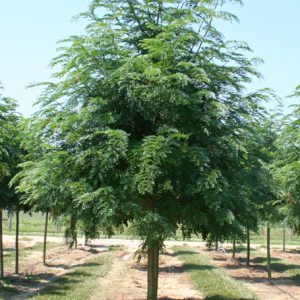
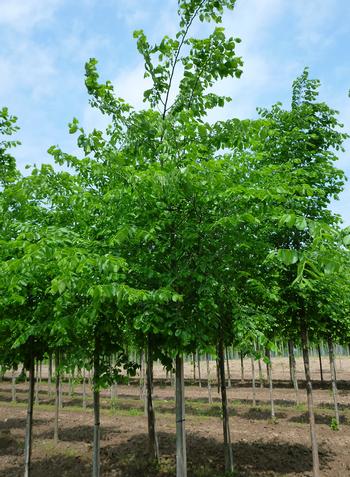
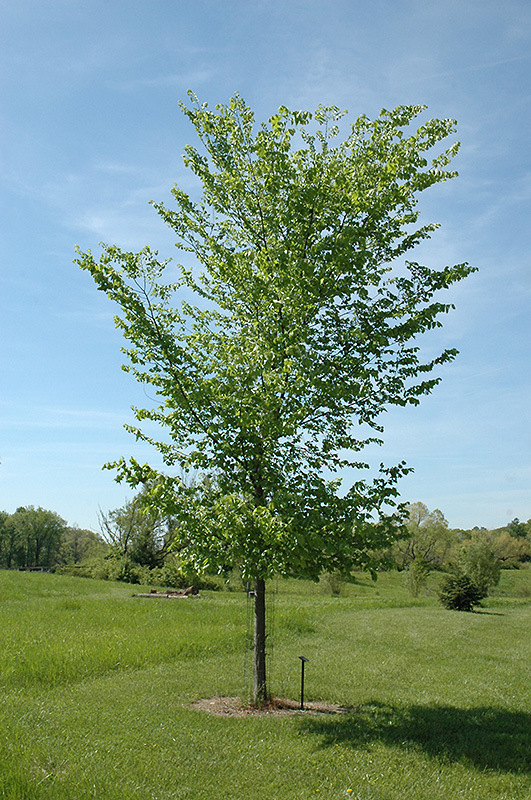
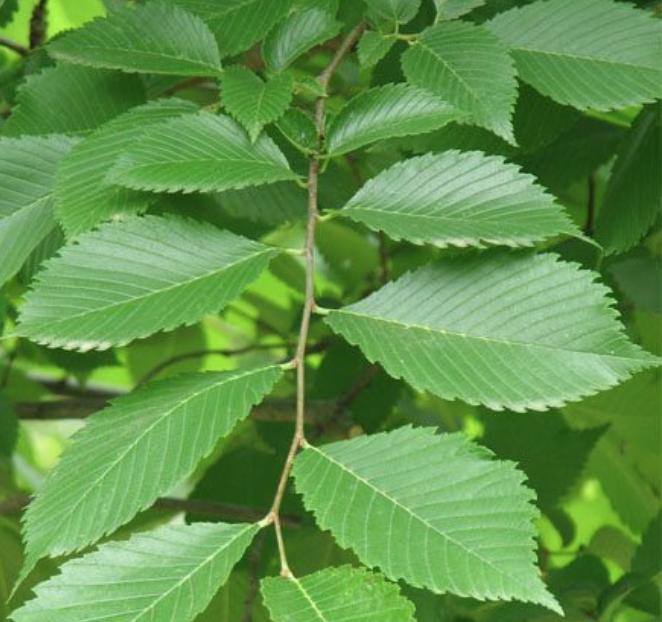
Valley Forge elm is Ulmus americana ‘Valley Forge’. The size on this page is 70 feet tall and 70 feet wide. Its leaves are green and turn yellow in fall. Flowers are green. It grows in full sun or partial shade and is hardy in USDA zones 2 through 9.
Valley Forge carries the best Dutch elm disease resistance and is one of the most available in commerce, bringing back a fantastic, majestic, almost-perfect native tree. It tolerates drought, black walnut and urban conditions, and it adapts to both wet and dry sites. It can be used as a lawn or shade tree.
Wholesale buyers get Tennessee field-grown balled-and-burlapped Valley Forge elm, at real landscape caliper rather than container whips. Freight is quoted from Cookeville, or pickup is at 3600 Valley View Rd, Cookeville, TN 38506. A truckload can mix this tree with other plants. Call (931) 526-7682 or email sales@cherrycreeknursery.com.
| Size | Heavy |
|---|
Valley Forge is a U.S. National Arboretum release that ranks among the best of the resistant American elms, and it is one of the two most available in commerce. It has tested best for Dutch elm disease tolerance, shows good resistance to phloem necrosis, and matures to a stately vase-shaped crown with arching limbs. The cons: it is "a little wild in the nursery," and even resistant American elm cultivars should be planted with care because the fungus could mutate again.
Valley Forge is fast growing. It is "a little wild in the nursery" while young, then matures into a stately, broad vase-shaped crown with arching limbs.
Princeton dates to 1922, introduced by a New Jersey nursery, while Valley Forge was released by the U.S. National Arboretum. On disease they are close. National Arboretum research ranks Princeton equal to Valley Forge in disease tolerance, and both rank among the best resistant types and the most available in commerce. The visible difference is form: Princeton grows as an upright, symmetrical vase, and Valley Forge as a broad vase with arching limbs that grows a little wild in the nursery. We list Princeton at about 65 by 50 ft and Valley Forge at about 70 by 70 ft, from the American elm range.
Even a resistant American elm like Valley Forge carries some risk: the Dutch elm disease fungus has mutated to a more virulent strain before and may do so again. Elms also draw insects, and elm is among the plants that take extensive Japanese beetle damage. Elms form clustered, upright codominant stems that make them very hard to prune correctly, so structural training needs to start while the tree is young.
Scientific Name | Ulmus americana ‘Valley Forge’ |
Mature Height | |
Mature Width | |
Growth Rate | |
Fall Color | |
Leaf Color | |
Sun | |
Soil | |
Water | |
Type | |
Characteristics | |
Common Name(s) | Valley Forge Elm |
Growing Zone(s) |